
Differences between Primary and Secondary reference standards used for analytical work
Primary and secondary reference standards are the two categories of certified reference material used in chemical analysis: a primary standard is an ultra-high-purity compound with direct traceability to a national or international standards body, while a secondary, or working, standard is a high-purity material whose value is assigned against a primary standard for routine laboratory use.
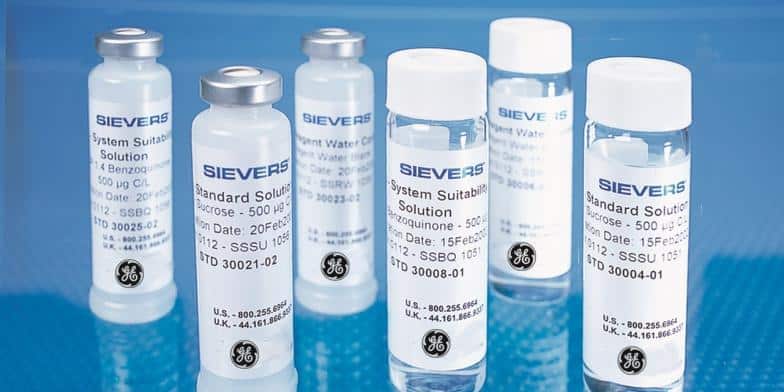
Certified Reference Materials
Any chemical analysis can be considered valid only if the method of analysis is validated before adoption and results are reported against internationally recognized standard reference materials. Results of such analysis can be relied upon by consumers as well as other laboratories across the world.
Standards are primarily used for the following types of analytical studies:
- Assay
- Identification tests
- Limit tests for related substances
- Analytical method validation
- System suitability for analysis techniques and in particular spectroscopic and chromatographic analysis
It becomes necessary to understand the fine differences between different categories of standards used for chemical analysis. The standards are commonly grouped into two groups:
- Primary standards or certified reference materials
- Secondary standards or working standards
Primary Standard
A primary standard reference material is an ultra high purity grade compound used in analysis involving assay, identification or purity tests. It can be a single compound or a mixture having the analyte of interest in a specified and certified amount.
The impurities, if any, should be identified and controlled for use in assay studies. The material selected as a primary standard should be highly stable, free from water of hydration and bear traceability to a national or international standards body
In many cases it may not be possible to procure a reference material from such sources because of following reasons :
- The new molecule is encountered in R&D activity. In such case a reference may not be available from standard bodies. A laboratory can use a reference compound whose purity is established for its routine use.
- In- house primary reference material can be selected from a particular batch in manufacturing industries. After assigning its batch number its characteristic properties are documented for reference purpose and comparison with future production lots
Secondary or working standard
Primary standards come with a certificate of analysis and bear traceability to a globally recognized standards body. The cost is often too high for even milligram range quantities. Secondary standards or working standards are also high purity grade materials which are quantified in relation to primary standards and put to routine use in laboratories. Such working standards are assigned a limited validity depending on stability of the material and before expiry fresh working standards should be prepared for future use. It is important to realize that if an expired working standard is used in analysis then no credibility can be placed on the reported results.
Handling and storage of standards
Standards play a crucial role in analysis so require to be preserved under specified conditions so that their authenticity is preserved over the prescribed storage periods.
Following recommendations can prove useful:
- Store in amber coloured glass vials or bottles which are properly sealed or cappedand stored in controlled humidity conditions .
- Reseal vial or cap the bottle securely after use
- Temperature sensitive standards should be stored in cooling chambers or dedicated refrigerators between 2-8⁰C
- Ensure that the standard is within its validity before use
- Do not return a new standard to original container to prevent contamination of the original stock.
The significant contribution of standards in any chemical analysis is emphasized in the article. It is indeed difficult to imagine a laboratory functioning without making use of standards and reference materials.
What is the difference between a primary and secondary reference standard?
A primary reference standard is an ultra-high-purity material with certified, documented traceability to a national or international standards body, while a secondary, or working, standard is a high-purity material whose value is assigned relative to a primary standard and is used for an organization's routine day-to-day analysis.
Why are secondary standards used instead of primary standards for routine testing?
Primary standards are certified and highly traceable but are often too costly to use routinely, even in milligram quantities. Secondary, or working, standards are quantified against a primary standard and are more practical and economical for the repeated, everyday testing a laboratory performs.
How should reference standards be stored?
Reference standards should be stored in amber-colored, tightly sealed glass containers under controlled humidity, with temperature-sensitive standards kept in a refrigerator between 2 and 8 degrees Celsius. Standards should always be checked for validity before use, and unused portions should never be returned to the original container to avoid contamination.
What happens if an expired working standard is used in analysis?
Results obtained using an expired working standard carry no credibility, since the standard's assigned concentration is no longer reliable once it passes its validity period. A fresh working standard must be prepared and requalified before further analysis can be trusted.
What types of analytical studies require reference standards?
Reference standards are used for assay testing, identification tests, limit tests for related substances, analytical method validation, and system suitability checks, particularly in spectroscopic and chromatographic analysis.