What is Chromatogram & How to Read a Chromatogram?
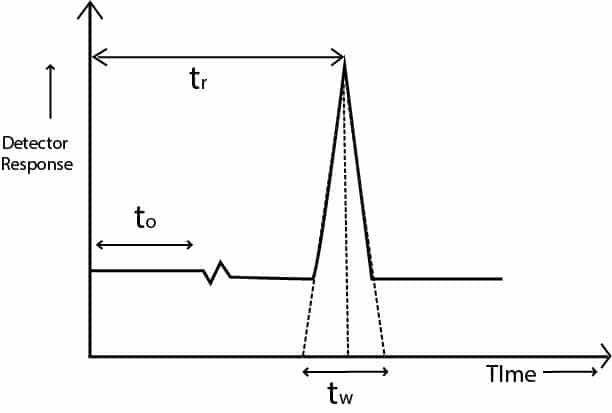
Over the years chromatography has gained an enviable position in analytical laboratories. You have been introduced to simple concepts on how to read a chromatogram.
All articles from Lab Training, covering chromatography, spectroscopy, microbiology, and analytical method validation, in order of publication.
Over the years chromatography has gained an enviable position in analytical laboratories. You have been introduced to simple concepts on how to read a chromatogram.
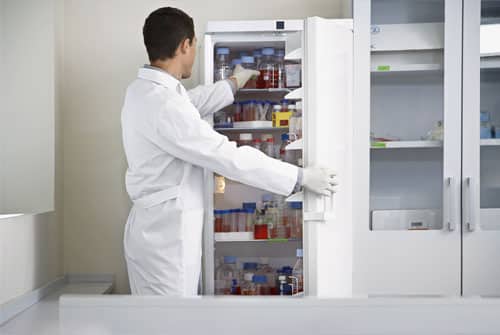
Laboratory refrigerator frankly speaking is no different from a domestic refrigerator. The difference lies in its usage and calibration requirements.
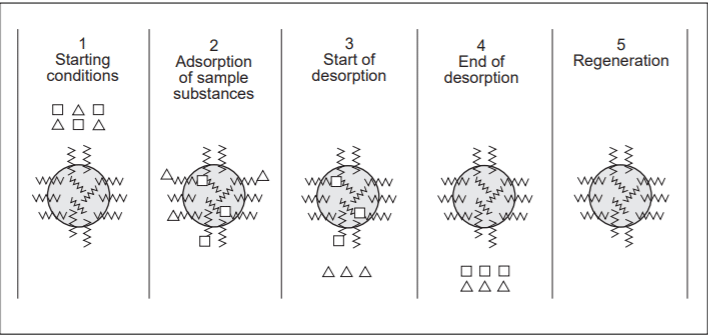
Reverse phase chromatography is established on the partition equilibrium between the non-polar (hydrophobic) stationary phase and the polar mobile phase.
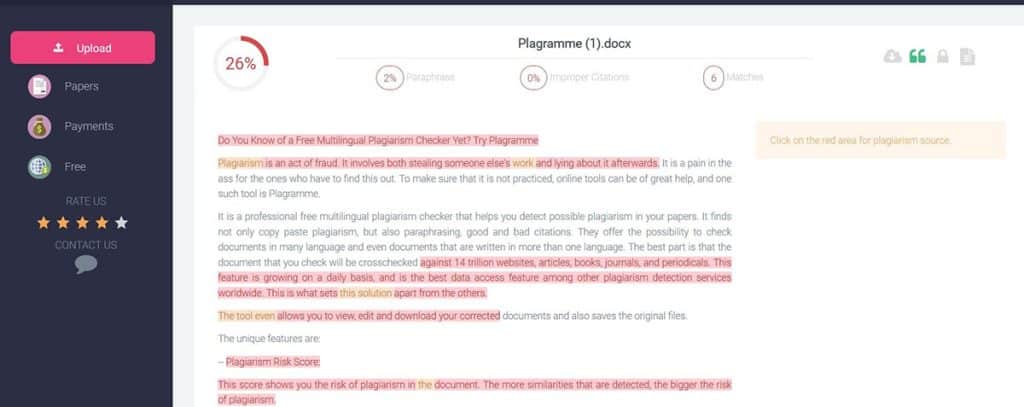
Outlines key factors for choosing a plagiarism detector, including cost, integration with word processors, accessibility, and depth of reporting.
Interview preparation guidance for medical laboratory assistants, covering company research, practicals review, body language, and common questions.
Outlines the standard sections of a laboratory report and offers tips on organizing materials, presenting data, and writing concise conclusions.
Five compliance lapses commercial testing laboratories must not overlook: outdated SOPs, missing calibration records, expired standards, and lapsed training.
Outlines desirable qualities of a research scientist, including honest reporting, persistence through setbacks, and adherence to safety guidelines.
Outlines five considerations for developing laboratory equipment: space planning, safe storage, 3D-printed prototyping, heat management, and equipment mobility.
Preparing a dissertation involves choosing a meaningful topic, confirming institutional requirements, planning its structure, and citing sources rigorously.
How Laboratory Information Management Systems (LIMS) replace manual records with audit trails, barcoding, inventory control, and calibration tracking.
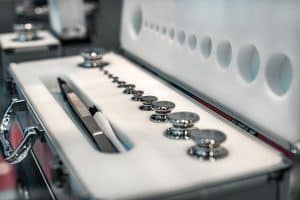
Covers standard calibration weights for analytical balances, including USP 41 tolerance requirements, traceability certification, and proper care.
Covers the unique startup hurdles of launching a lab-based testing business, from equipment investment and licensing to breaking into a competitive market.
Explains how research methods are classified: quantitative vs qualitative, applied vs fundamental, descriptive vs analytical, and exploratory vs conclusive.
Weighs the presumed time and cost savings of cleaning laboratory glassware with high-pressure water jets against splashing, breakage risk, and uncertain cleanliness.
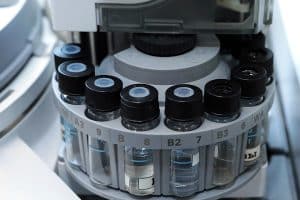
Automated injection via a programmable autosampler improves the accuracy, consistency, and throughput of chromatographic results over manual injection methods.
Practical suggestions for preventing fires, electrical hazards, spills, unplanned storage, and handling accidents in laboratory stores and warehouses.
Practical guidance for laboratory glassware accidents, covering safe lifting of broken pieces and proper disposal of contaminated glass waste.
Guidance on handling, environmental control, and maintenance scheduling for sophisticated analytical instruments to ensure long, trouble-free service.
How coordination and communication between analysts, QC, QA, purchase, stores, and other lab roles keep laboratory operations efficient and delay-free.
Explains how band stop (notch) filters combine low- and high-pass circuits to reject a frequency band, with uses in noise reduction, radio, and medical equipment.
Traces the evolution of ICP-MS since its 1983 debut, highlighting innovations like dual-view plasma sources and laser ablation that expanded its capabilities.
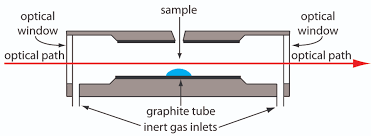
Explains why graphite furnace atomization achieves detection limits 10 to 1,000 times lower than flame atomization through longer residence time and heat.