Scope of ICP-MS applications
Surveys ICP-MS applications beyond pharma and food testing, including semiconductors, nuclear energy, forensic toxicology, geology, and environmental monitoring.
All articles from Lab Training, covering chromatography, spectroscopy, microbiology, and analytical method validation, in order of publication.
Surveys ICP-MS applications beyond pharma and food testing, including semiconductors, nuclear energy, forensic toxicology, geology, and environmental monitoring.
Offers homework tips for students, including keeping a fixed study schedule, gathering materials in advance, limiting distractions, and rewarding progress.
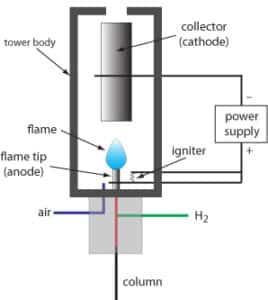
Defines the key response parameters of a GC detector, dynamic range, minimum detectable sensitivity, linear range, and response, plus the noise types that affect them.
Gas Chromatography offers a wide range of detectors to meet your analysis. This article will help you decide the right detector for Gas Chromatographic analysis.
Compares acid digestion, fusion, and ashing for preparing samples for Atomic Absorption Spectroscopy, weighing safety, reproducibility, and time efficiency.
Offers practical tips for reliable pH measurements, including electrode conditioning, hydration, electrolyte maintenance, and daily calibration.
Guidelines for preserving sample integrity before analysis, covering homogeneous collection, labeling, protective packaging/transport, and pre-treatment.
Extra precautions referral laboratories should take with chemicals, glassware, sample handling, and records when analyzing critical or disputed samples.
A laboratory notebook is a bound record for documenting experiments by hand, preserving a reliable trail of data if a project is interrupted.
Guidance on assaying, labeling, handling, and storing laboratory working standards correctly to preserve their integrity throughout their usage life.
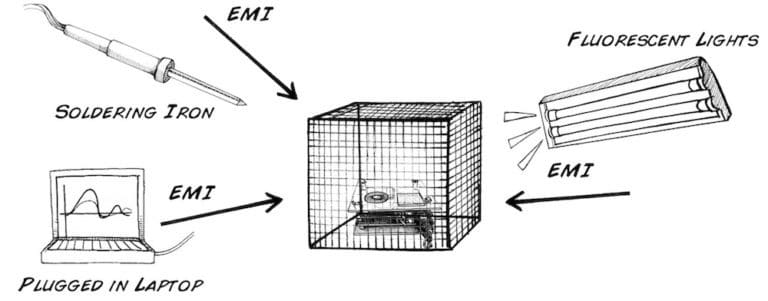
A Faraday cage is a conductive enclosure that blocks electric fields and electromagnetic interference, used in anti-static packaging and shielding lab measurements.
Suggestions for improving laboratory workflows through better resource utilization, zoned sample planning, and timely addition of manpower and equipment.
Explains how residual contamination on laboratory glassware can distort analysis results and how to keep glassware properly clean.
How automation in laboratories saves time, reduces errors, improves communication of results, and strengthens inventory control over manual methods.
Covers career prospects for medical laboratory analysts in India, including specialization areas, required qualifications, and typical pay scale.
Safety guidance for laboratory digestions, covering solvent selection for organics and safe handling of acids, including perchloric and hydrofluoric acid.
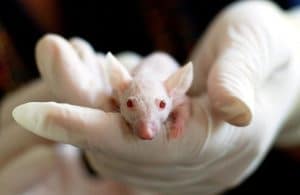
Discusses the ethical tradeoffs of animal research in laboratories, from cosmetics and GMO testing to human-animal hybrid experiments.
Outlines the benefits of online training over classroom education, including flexibility, lower cost, wide access, visual aids, and online examinations.
Practical tips for preventing chemical and powder spills in the laboratory through proper storage, transfer techniques, and glassware handling.
Offers tips for finding a scholarship, including shortlisting universities by career goal, finding a mentor, and exploring sport-based options.
Practical tips for trouble-free HPLC operation: system inspection, mobile phase filtering, air bubble removal, injector care, and start-up/shutdown steps.
This article reviews what research says about the effectiveness of vaping for nicotine addiction treatment and its health and environmental effects versus smoking.
Explains why laboratory discipline, covering dress code, footwear, food rules, and coworker conduct, differs from carelessness and matters for safety.
Details the temperature, humidity, and light-control conditions, plus handling practices, needed to preserve laboratory standards during storage.