
Laboratory Security
Laboratory security is the set of measures, distinct from laboratory safety, that protect a facility against risks such as theft of instruments or materials, sabotage, unauthorized release of hazardous substances, and loss of sensitive data, primarily through physical access controls, video surveillance, and information security practices.
Before we talk about laboratory security it is important to understand the difference between laboratory security and laboratory safety. Laboratory safety is concerned with an understanding of all procedures associated with handling, use and storage of chemicals and other items in the laboratory to prevent accidents. On the other hand laboratory security is concerned with measures that should be adopted to prevent loss of material and sensitive information from the laboratory premises through vested interests.
Security Risks to a Laboratory
A laboratory needs to safeguard itself against main security risks outlined here:
- Theft for open market sale or manufacture of small-scale weapons, explosives or illicit drugs by unlawful groups.
- Theft of costly instruments or spares
- Sabotage or vandalism by vested interests to delay critical projects
- Release of harmful biological or radioactive substances into the environment by terror groups
- Stealing of hard or soft copies of critical information and data
- Use of material for prohibited experimentation.
Measures to Improve Security
Physical security of the premises
- Physical security is necessary for regulating authorized access to sensitive areas and records
- Provision of security guards round-the-clock
- Alarms to detect security breach or forced entry attempts
- Multilayered barriers and access codes to sources of sensitive materials or information
- Provision of tamper proof locks on doors, windows and roof access points
- Maintenance of entry record sheets and user logs to verify and identify the access to sensitive areas
- Biometric access to high security material or technical data
- Verification of credentials of all employees including security personnel and sanitary staff before hiring
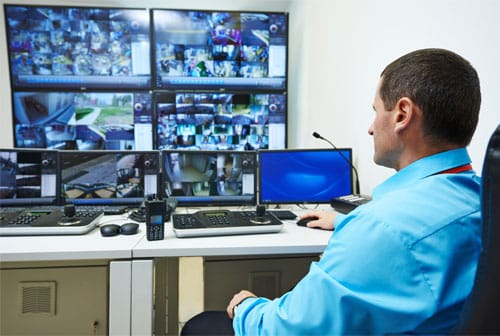
Real time Laboratory Surveillance
Video Surveillance
Video surveillance helps to monitor laboratory areas on round-the-clock basis. Any un-authorized entry or unusual activity can be observed and if necessary recording over a particular time span can be reviewed for critically examining the doubtful activities. Video surveillance helps detect and intercept unusual activity or unauthorized entry in real time provided dedicated staff are employed for monitoring
Information Security
Data loss through unauthorized access and cyber security breaches is important or even more critical than material loss as data plays a crucial role in laboratory operations.
Information support specialists should be aware of organization’s security policies regarding authorization of access levels and it is equally important to use available technology to maintain data backup and both laboratory as well as remotely located locations.
The list of security measures is not exhaustive but implementation is even more important than merely having rules and regulations in place or installation of high technology security systems. It is equally important to keep a record of proper functioning of electronic access systems, biometric systems, card access and other security measures through planned security audits.