How to prolong the useful life of Ion Exchange Resin Beds?
How to prolong ion exchange resin bed life by monitoring conductivity and pH and controlling fouling from sulphates, iron, organics, bacteria, and chlorine.
Browse all Separation Science articles, guides, and protocols.
How to prolong ion exchange resin bed life by monitoring conductivity and pH and controlling fouling from sulphates, iron, organics, bacteria, and chlorine.
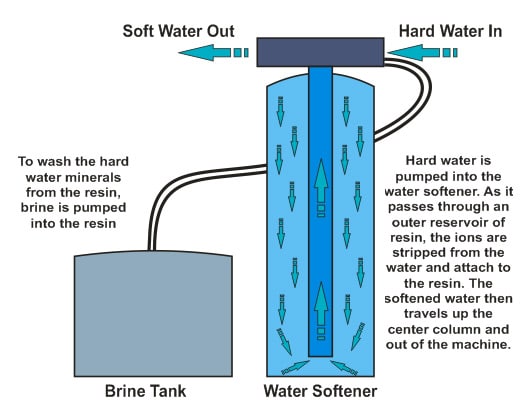
Common applications of ion exchange resins in water softening, water purification, metal purification, pharmaceuticals, and food and beverage processing.
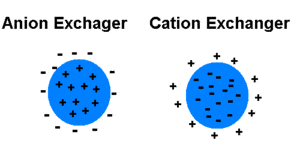
How ion exchange resins are classified into strong and weak acid cation exchangers and strong and weak base anion exchangers by their functional groups.
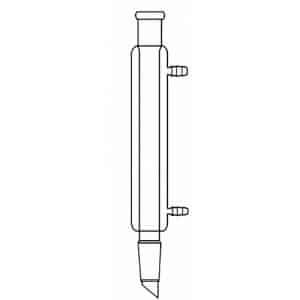
Ever wondered what is the purpose of a reflux condenser & distillation? This article has the answers to all your questions.
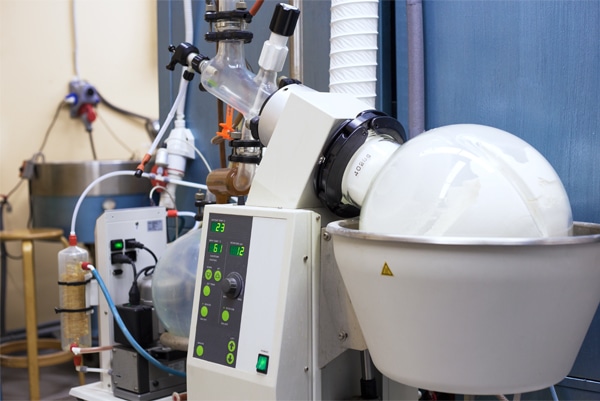
A guide to choosing the right lab distillation technique, simple, fractional, steam, vacuum, or azeotropic, based on boiling points and sample properties.
An overview of key lab separation processes, including filtration, centrifuging, distillation, sublimation, ion exchange, extraction, and chromatography.
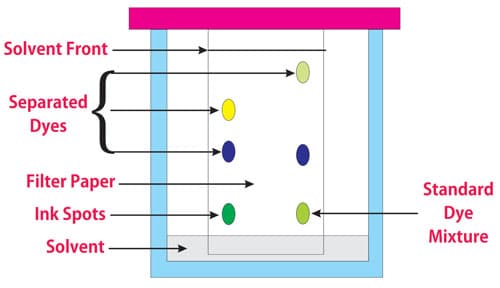
Thin layer chromatography offers several benefits over the paper chromatographic separations some of which are highlighted in this article.
Thin Layer chromatography presents a low cost, simple and sensitive option for identification and estimation of individual components in a mixture of components.
The advantages offered by supercritical fluid chromatography are briefly discussed in the present article. Read more.
Useful tips on care of HPLC columns have been suggested earlier to preserve the performance features and improve useful life of your column.
The basics of Liquid- Liquid Chromatography is to partition solutes between two immiscible liquid phases- one phase being the mobile carrier and the other being the thin liquid layer supported on the inert stationary phase packed inside the column.