
Analytical Instruments
Safe handling and care of laboratory analytical instruments means following the transportation, operating, and safety precautions that protect these costly instruments’ delicate optical and electronic components, since careless handling can cause misalignment or breakage, while proper care ensures consistency of results, keeps maintenance costs low, and prevents safety hazards to operators.
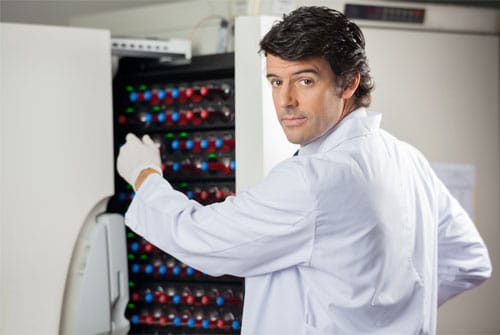
Always follow safety instructions before handling laboratory instruments
Sophisticated analytical instruments cost a fortune and therefore require careful handling and care. This ensures consistency of results and low maintenance costs. In addition to smooth operation it is equally important that such instruments do not pose safety hazards to the operator and others in the laboratory.
Handling
Sophisticated instruments comprise of highly sensitive and delicate optical and electronic components requiring recommended handling care right from stage of transportation to user location.
Apart from breakages sensitive optical instruments can lose proper alignment which can take several hours to restore. For this reason all such equipment should be carefully placed on wooden or plastic frames and secured using nuts. The frames should be provided with caster wheels and packed in wooden or hard cardboard boxes. Free space inside such packings should be filled with thermocol sheets to prevent movement during handling and transportation.
On reaching the user site after inspection for any physical damage during transportation the instrument should be carefully removed from the packing and placed on a sturdy bench.
Operation
In the first place the instrument should be installed in the recommended environmental conditions such as temperature, humidity, air conditioning, etc. Adequate power and operational utilities should be provided. Power surges and voltage fluctuations contribute to component failures and expensive breakdowns. It is essential to maintain uninterrupted power supply which is free from spikes. Electrical points should be of specified capacity with proper earthing. The points should never be overloaded by using multipoint sockets.
Safety
Instruments can pose different hazards if safety guidelines are ignored. Some common hazards are:
- Electrical shocks through contact with components or surfaces bearing high voltage or current. Always look for electrical safety warning signs before touching any component or surface when the instrument is functional
- Burns can result from hot surfaces as it is not possible to gauge the temperature of a surface. Be on the lookout for warning signs and give sufficient time even after instrument is switched off
- Eye damage can result from looking directly into light sources such as deuterium lamps, plasmas and flames. Always use safety goggles and ensure that you view through safety shields.
- Strong magnetic fields are present in the vicinity of magnets used for high resolution NMR spectrometers. It is advisable that persons with implants or pacemakers avoid working on such systems.
- Radiation exposure can result from working on instruments equipped with radioactive isotopes sources. Adequate protection should be provided and constant monitoring of workers for radioactive exposure should be in place.
- Certain instruments develop high fluid pressures during operation. Adequate safety precautions and measures should be taken when operating such instruments.
Analytical instruments are capable of providing high-quality data for years together provided handling care is taken and safety concerns are not overlooked.
Why is safe handling and care of laboratory analytical instruments essential?
Sophisticated analytical instruments are costly and contain delicate optical and electronic components, so careless handling can cause misalignment or breakage. Proper care ensures consistency of results, keeps maintenance costs low, and prevents safety hazards to operators.
How should analytical instruments be packed and transported to avoid damage?
Instruments should be secured on wooden or plastic frames using nuts, mounted on caster wheels, and packed in wooden or hard cardboard boxes. Free space inside the packing should be filled with thermocol sheets to prevent movement during transportation.
What environmental and power conditions are needed for safe instrument operation?
Instruments require the recommended temperature, humidity, and air-conditioning conditions along with adequate power utilities. An uninterrupted power supply free from spikes is essential, with properly earthed electrical points that are never overloaded using multipoint sockets.
What are the common safety hazards associated with analytical instruments?
Common hazards include electrical shocks from high-voltage components, burns from hot surfaces, eye damage from light sources such as deuterium lamps and plasmas, strong magnetic fields near NMR spectrometers, radiation exposure from radioactive isotope sources, and high fluid pressures generated during operation.
Who should avoid working near high-resolution NMR spectrometers?
Persons with implants or pacemakers are advised to avoid working on high-resolution NMR systems because of the strong magnetic fields present around the magnets used in these instruments.
What precautions protect the eyes when using instruments with strong light sources?
Operators should always wear safety goggles and view light sources such as deuterium lamps, plasmas, and flames through safety shields rather than looking at them directly.