
Laboratory Environment Control – Why is it necessary?
Laboratory environment control is the management of temperature, humidity, airflow, and access to prevent outside and cross contamination, ensuring reproducible test results and trouble-free operation of sensitive analytical instruments.
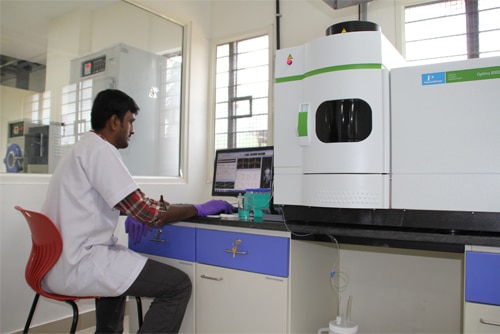
Sophisticated Instruments Laboratory
It is a common notion that the key contributory factors to the required growth of a laboratory are
- High sample throughput
- Availability of latest facilities
- Availability of trained manpower
- Adherence to committed time frames for delivery of analysis reports
I also subscribe to the above mentioned notions but would like to add that the quality of results communicated is an important confidence building measure which will lead to popularity of your laboratory. Standards of quality can be sustained through upkeep of environmental conditions in the laboratory.
Benefits of Environmental Control
- Optimum and trouble-free operation of sophisticated instruments
- Reproducibility of test results
- Prevention of outside contamination and dust from affecting your analysis
- Prevention of cross contamination of test samples
- Prevention of exposure to toxic and corrosive chemicals, fumes or harmful microorganisms
Sources of Laboratory Contamination
It is important for you to identify the sources of laboratory contamination so that you can adopt the corrective measures
- Air borne dust and bacteria brought in by visitors
- Contamination from yourself – hands, hair fall or dandruff
- Contamination from use of inadequately cleaned glassware
- Sample to sample cross contamination due to proximity of samples with broken seals or damaged packings
- Use of unclean spatulas, syringes and volumetric glassware
- Dipping of re-usable pipettes into reagent bottles
- Returning of excess reagent or chemical back to the original container after weighing.
Suggested measures for prevention of cross contamination
- Ensure the temperature is maintained through proper functioning of AC’s which should be serviced periodically.
- Sensitive areas should have provision of double door entry and air curtains
- Entry of visitors should be restricted and it should be mandatory for them to wear lab coats, shoe covers and head covers. The same applies to all laboratory workers
- Entry of unconcerned persons, even from same organization should also be restricted
- All acid digestions should be carried out in fume hoods. Likewise studies involving microbiological studies should be carried out inside sterilized biological cabinets
- Floors should be cleaned and mopped at least twice a day
- Workbench should also be kept clean and free of any spillages
- Use disposable gloves when working in the lab
- Keep shelves and door handles of refrigerators and cabinets clean and disinfected
- Always use micro pipette with disposable tip for withdrawal of reference standards solution
- Never return excess reagent or chemical back to original container after weighing
- Wash hands with disinfectant soap and apply sanitizer frequently
If you adopt and religiously follow such guidelines you will see improvement in your laboratory operations with accompanied laboratory throughput as need for re- analysis will get minimized.
Why is laboratory environment control necessary?
While high sample throughput, latest facilities, trained manpower, and adherence to delivery timeframes are commonly seen as key factors for laboratory growth, the quality of results communicated is an equally important confidence-building measure. Sustaining that quality depends on upkeep of environmental conditions in the laboratory.
What are the benefits of environmental control in a laboratory?
Environmental control enables optimum, trouble-free operation of sophisticated instruments, reproducibility of test results, and prevention of outside contamination, cross contamination between samples, and exposure to toxic or corrosive chemicals, fumes, or harmful microorganisms.
What are the common sources of laboratory contamination?
Sources include airborne dust and bacteria brought in by visitors, contamination from analysts themselves such as hands, hair fall, or dandruff, use of inadequately cleaned glassware, sample-to-sample cross contamination from broken seals or damaged packaging, unclean spatulas and syringes, dipping reusable pipettes into reagent bottles, and returning excess reagent back to its original container after weighing.
What measures help prevent cross contamination in a laboratory?
Recommended measures include periodic servicing of air-conditioning to maintain temperature, double door entry with air curtains in sensitive areas, mandatory lab coats, shoe covers, and head covers for visitors and staff, use of fume hoods for acid digestions and sterilized biological cabinets for microbiological studies, and cleaning floors and workbenches at least twice a day.
Should reference standard solutions be withdrawn directly from their containers?
No, a micro pipette with a disposable tip should always be used to withdraw reference standards solution, and excess reagent or chemical should never be returned to its original container after weighing.
What is the payoff of following good laboratory environment practices?
Religiously following such guidelines leads to improvement in laboratory operations, with increased throughput as the need for re-analysis is minimized.