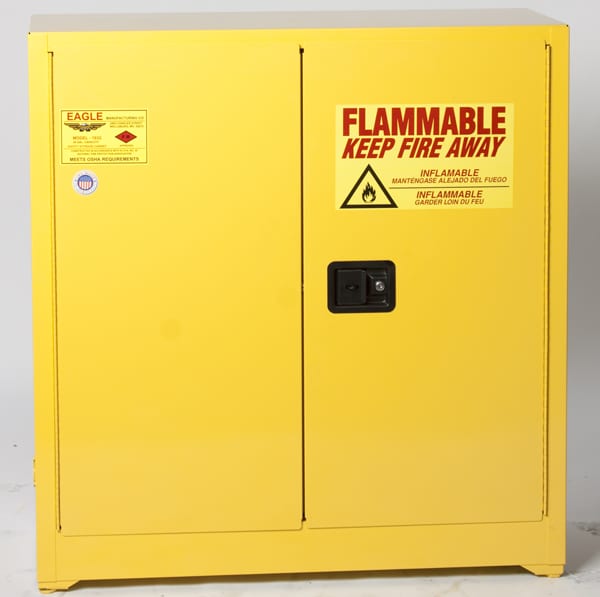
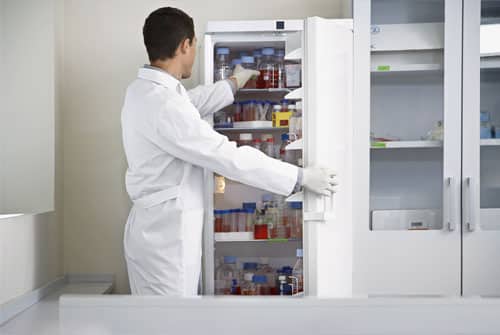
laboratory refrigerator
Laboratory refrigerator frankly speaking is no different from a domestic refrigerator. The difference lies in its usage and calibration requirements.
Browse all Lab Management articles, guides, and protocols.
Laboratory refrigerator frankly speaking is no different from a domestic refrigerator. The difference lies in its usage and calibration requirements.
Five compliance lapses commercial testing laboratories must not overlook: outdated SOPs, missing calibration records, expired standards, and lapsed training.
How Laboratory Information Management Systems (LIMS) replace manual records with audit trails, barcoding, inventory control, and calibration tracking.
Practical suggestions for preventing fires, electrical hazards, spills, unplanned storage, and handling accidents in laboratory stores and warehouses.
How coordination and communication between analysts, QC, QA, purchase, stores, and other lab roles keep laboratory operations efficient and delay-free.
Extra precautions referral laboratories should take with chemicals, glassware, sample handling, and records when analyzing critical or disputed samples.
Guidance on assaying, labeling, handling, and storing laboratory working standards correctly to preserve their integrity throughout their usage life.
Suggestions for improving laboratory workflows through better resource utilization, zoned sample planning, and timely addition of manpower and equipment.
How automation in laboratories saves time, reduces errors, improves communication of results, and strengthens inventory control over manual methods.
Practical tips for preventing chemical and powder spills in the laboratory through proper storage, transfer techniques, and glassware handling.
The article makes suggestions on record keeping and outlines advantages derived from keeping such records. It has been quoted ‘If you have not recorded it, you have not done it.'
Advice for building a sustained career in a testing laboratory through focus, time management, accurate records, instrument upkeep, and skill sharing.
How to reduce transcription and transposition errors in laboratory data entry through balanced speed, work breaks, recognition software, and review.
How laboratories source, store, quality-check, and periodically re-verify working standards to keep them traceable to certified reference materials.
Explains the scope of Good Documentation Practices under GLP, covering how experimental observations and controlled documents like SOPs should be maintained.
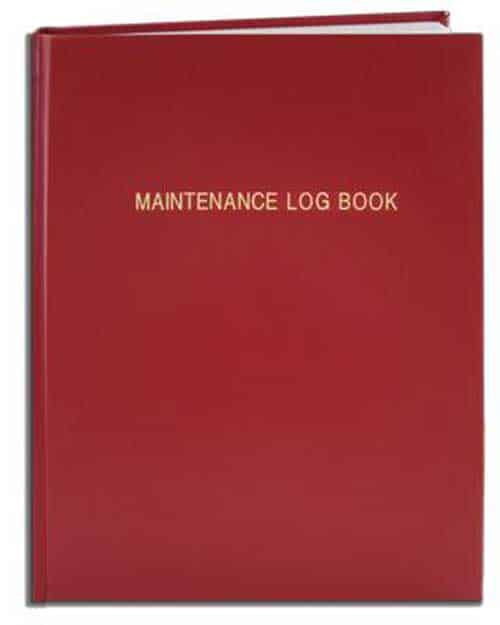
Why laboratory log books tracking instrument use, environmental conditions, and standard consumption support compliance, audits, and troubleshooting.
How laboratories should evaluate and handle critical samples and facilities, including reference standards, proficiency samples, and calibration tools.
A laboratory cannot be made green in one stroke by the efforts and directives of the senior management alone.
Why cleanliness in laboratories reduces contamination, breakages, and costs, and why trained housekeeping staff are essential to maintaining it.
Why mobile phones are restricted in laboratories, covering distraction, contamination, instrument signal interference, fire risk, and data security concerns.
Practical suggestions for conserving water in laboratories, covering solution preparation, labware washing, equipment cooling, and autoclave use.
Planning tips for laboratory repair and renovation work that minimize productivity loss, staff distraction, and safety hazards during construction.
Why traceability of laboratory standards to national or international references, required under ISO/IEC 17025:2005, underpins credible test results.
Practical tips for preventing laboratory fires, covering MSDS awareness, safe storage of flammables, fume hood use, and electrical short-circuit checks.