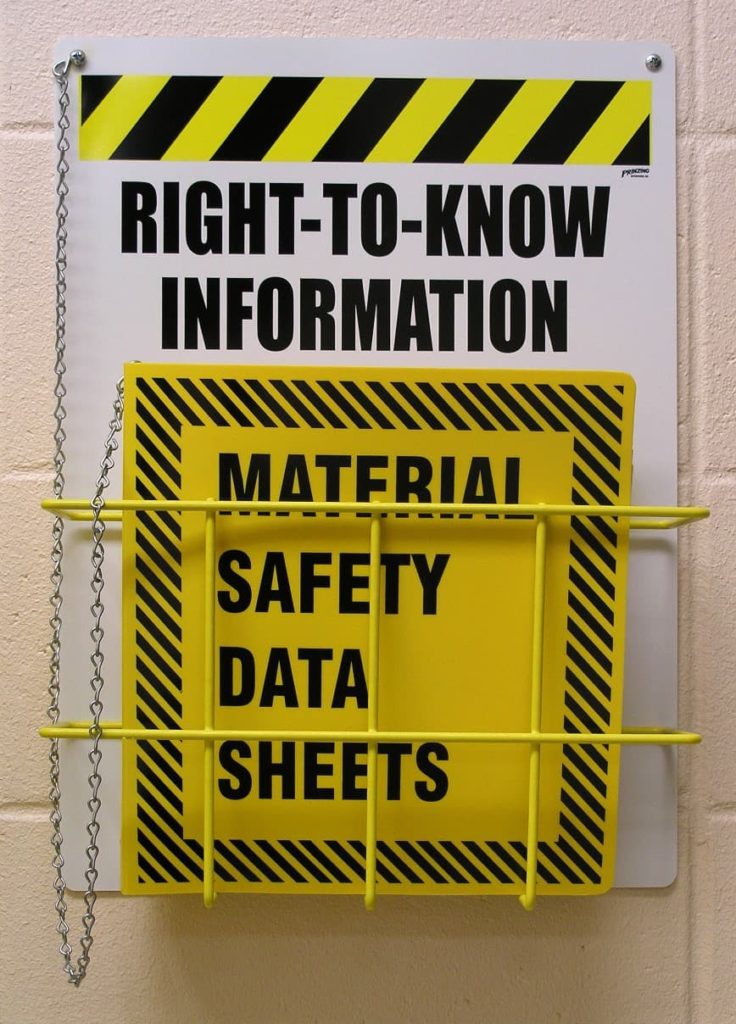
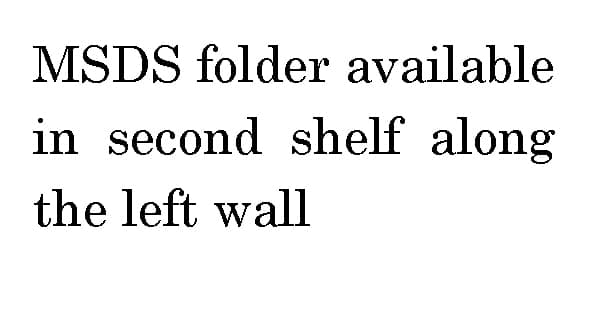
Need for exercising control over Material Safety Data Sheets (MSDS)
Why Material Safety Data Sheets need active control through staff training, round-the-clock access, periodic review, and regular audits to stay useful.
Browse all Lab Management articles, guides, and protocols.
Why Material Safety Data Sheets need active control through staff training, round-the-clock access, periodic review, and regular audits to stay useful.
Why testing laboratories must review analysis requests in advance, per ISO 17025 clause 4.4, checking methods, resources, and timelines before accepting work.
Key precautions for validating analytical methods: calibrated instruments, clean glassware, contamination control, traceable standards, and accurate weighing.
How to segregate and dispose of corrosive, flammable, toxic, radioactive, and biohazardous laboratory waste responsibly before handoff to disposal agencies.
Why laboratories must strictly follow Standard Operating Procedures, with unauthorized deviations, to protect result validity, safety, and customer confidence.
Suggestions for improving cash flow in commercial testing laboratories through advance payments, dedicated collection teams, and payment-linked reporting.
Recommended entry and exit procedures for laboratory staff and visitors, covering identification, protective wear, lockers, and security checks.
Why laboratory cleanliness is a shared duty of sanitation workers, store staff, and chemists, with specific hygiene tasks for each group.
How laboratories can systematically collect, categorize, and act on customer feedback instead of letting it sit unused in files and folders.
Safe handling and disposal guidelines for radioactive isotopes, cytotoxic drugs, mutagens, and teratogens in medical laboratories and hospitals.
How intermediate checking verifies a working standard's assay, loss on drying, and water content at set intervals before its expiry date.
How laboratories should procure, store, and control standard reference materials and proficiency-testing samples to safeguard the reliability of reported results.
How commercial testing laboratories manage samples from receipt and coding through analysis, handling, and confidentiality to boost productivity.
What a Material Safety Data Sheet (MSDS) covers, from chemical properties and handling to transport, fire hazards, and first aid, in labs and warehouses.
How chemical suppliers, laboratory management, warehouse in-charges, and employees share responsibility for laboratory warehouse safety.
Explains the difference between proficiency testing (round-robin sample analysis) and inter-laboratory comparisons, and why both matter for accreditation.
Why calibration, not cost, brand, or operator skill, is the critical factor behind reliable laboratory instrument results.
Practical measures to keep a laboratory contamination free by controlling outside dust, visitor and staff access, personal belongings, and repair work.
Why laboratory documentation matters across academic, medical, industrial, forensic, and regulatory laboratories for reproducibility and legal defense.
Why laboratory accidents happen, from overconfidence and ignorance to work stress and poor workbench planning, and why prevention must be a priority.
How laboratories should regulate visitor entry through prior appointments, credential checks, escorted access, and visitor badges for security.
Why laboratory management review meetings, required under ISO 17025 clause 4.15, assess quality performance and plan improvements to sustain accreditation.
Key factors to weigh when expanding laboratory operations, comparing growth within existing space against setting up a new facility elsewhere.
A checklist-based guide to laboratory safety audits, covering training, housekeeping, fire and electrical safety, gas storage, and first-aid readiness.