
Organic Solvents in Atomic Absorption Spectroscopy
Organic solvents are non-aqueous liquids, such as hydrocarbons, alcohols, and esters, used in Atomic Absorption Spectroscopy to dissolve or extract analytes from matrices like petroleum products, edible oils, foods, and pharmaceuticals that are not readily analyzed in water-soluble form.
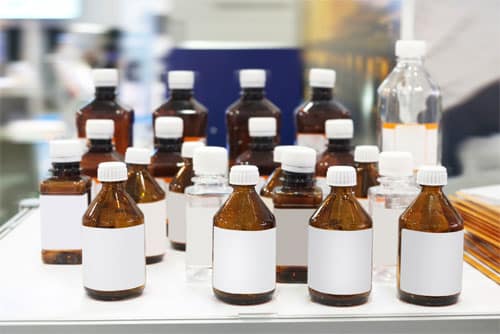
Organic solvents
Water is a universal solvent and is used in a majority of atomic absorption spectroscopic applications.
Benefits of using water as solvent:
- Non-Toxic so no toxic fumes on ignition
- Non-flammable
- Constant physical parameters such as viscosity, density and specific Heat
Apart from Its Safe Use constant physical parameters permit optimum use and design of nebulizers, spray chambers and burner heads which eliminates need for frequent change between determinations.
The use of Atomic Absorption Spectroscopy Is not limited to analysis of trace metals in water-soluble matrices It gives reliable results even in Petroleum products, Edible oils, foods and pharmaceuticals which can be organic in nature and often require organic solvent extraction.
The following solvent properties must be considered before adopting a solvent for a particular application:
- Non-Toxic
- Sample should be soluble in the selected solvent
- Specific gravity should be more than 0.75.Lower specific gravity solvents can rupture seals and result in flashback or explosion hazards
- High flashpoints result in formation of explosive solvent-air mixtures.
- Classes of common Organic Solvents Used in Atomic Absorption Spectroscopy
- Hydrocarbons
- Alcohols
- Esters
- Chlorinated Hydrocarbons can be used but toxic vapours produced should be properly ventilated Chloroform and Carbon tetrachloride should not be used as they produce phosgene which is a hazardous compound
- Carbon Disulphide, Ethers or acetone should not be used as they have very low flashpoints and can cause fire hazards
Considerations for high Reliability of Results
Use of Organic Solvents requires fuel/oxidant flow rate adjustments to compensate for the flammability of the solvent. Normally the introduction rate Is reduced to obtain the optimum flame conditions
Organic solvents can damage plastic components on contact so spray chamber requires a special coating which shows resistance to commonly used organic solvents. Keep a regular check on O-rings and replace damaged rings when organic solvents are frequently used.
Use of organic solvents increases the possibility of carbon deposit buildup so burners should be inspected and cleaned regularly when using organic solvents
Only limited quantities (ml range) should be brought in the vicinity of atomic absorption spectrophotometer and all sample preparation should be carried out in a separate well ventilated room. Bulk solvents should be stored in separate safety cabinets.
Clean the spray chamber and nebulizer thoroughly using alcohol to remove all traces of organic solvents before switching over to aqueous sample analysis.
Safety precautions in use of organic solvents will be taken up in a subsequent article.