
Solutions to First HPLC Program Quiz
This article is the answer key to Lab Training’s first HPLC quiz, providing correct answers to 20 multiple choice questions covering HPLC fundamentals such as column dimensions, operating pressure, mobile phase properties, degassing, and detector types.

HPLC Quiz
The first HPLC quiz was published on the site on 18 June 2014 and I am glad to inform that a number of our subscribers scored over 80% in response to the discount offer and have earned 20% discount on the course fee. I take this opportunity to congratulate all those who qualified for the discount.
The quiz has certainly left some unanswered questions in your mind. As the discount offer is over now I feel duty bound to provide you the correct answers to the multiple choice questions. Please read on for the correct solutions
I sincerely hope that everyone will take active interest in our programs and educational exercises in future as well.
Questions and their Answers:
1. Increase in HPLC column length results in Ans. Faster analysis
2. Which of the two chromatograms results from smaller sized column packings:
| a.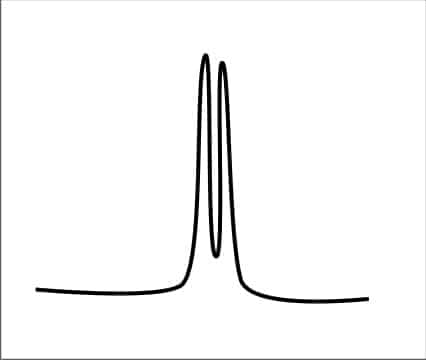 | b.
| b. 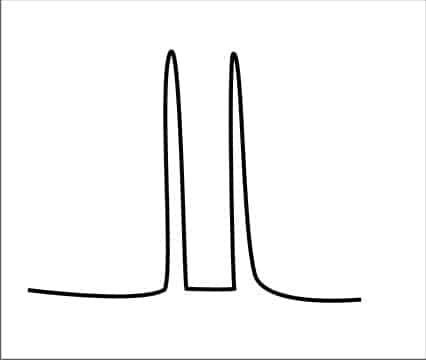 |
| --- | --- |
|
| --- | --- |
Ans. b
3. HPLC stands for Ans. High performance liquid chromatography
4. Identify the column used in HPLC analysis
| a.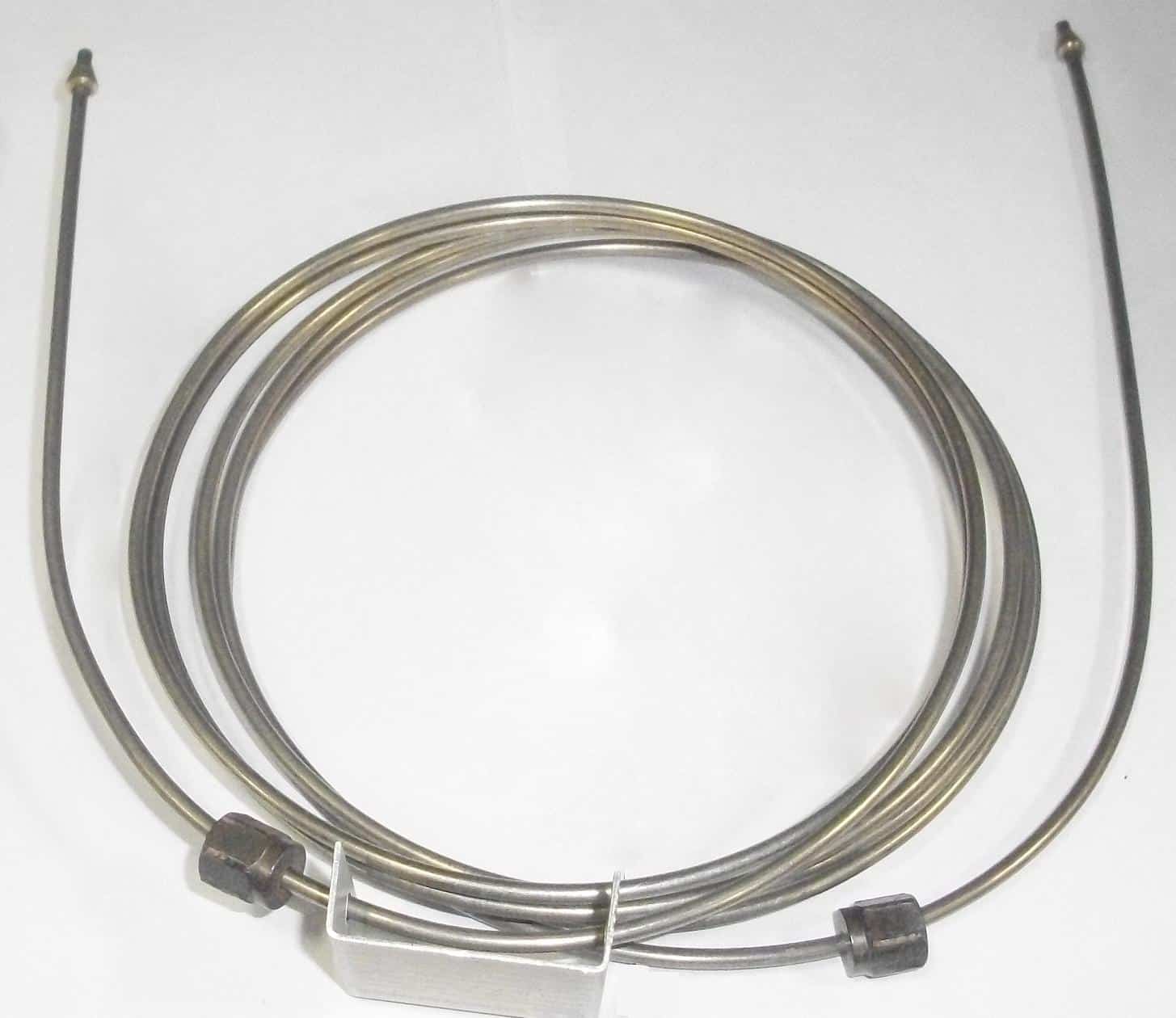 |
| --- |
| b.
|
| --- |
| b.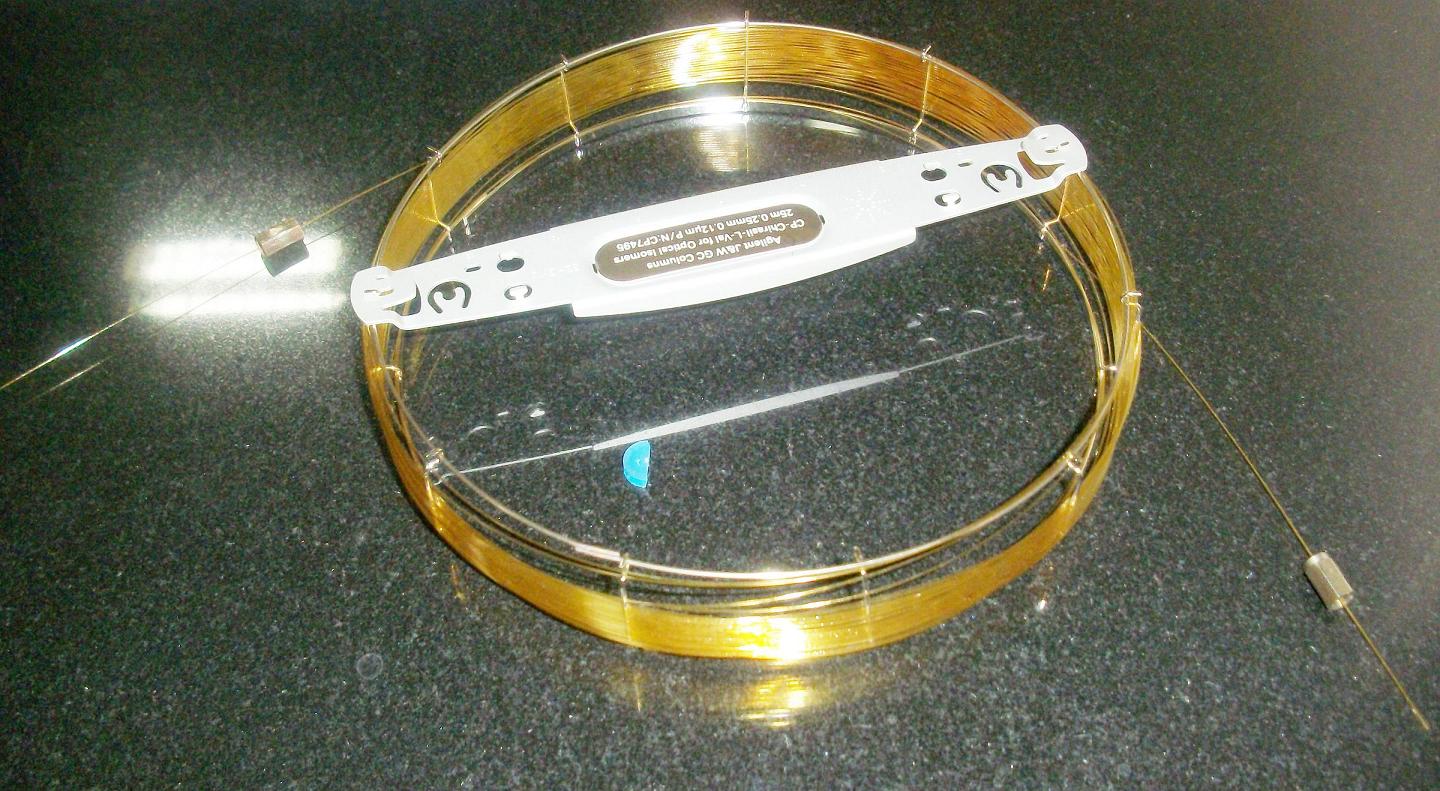 |
| c.
|
| c.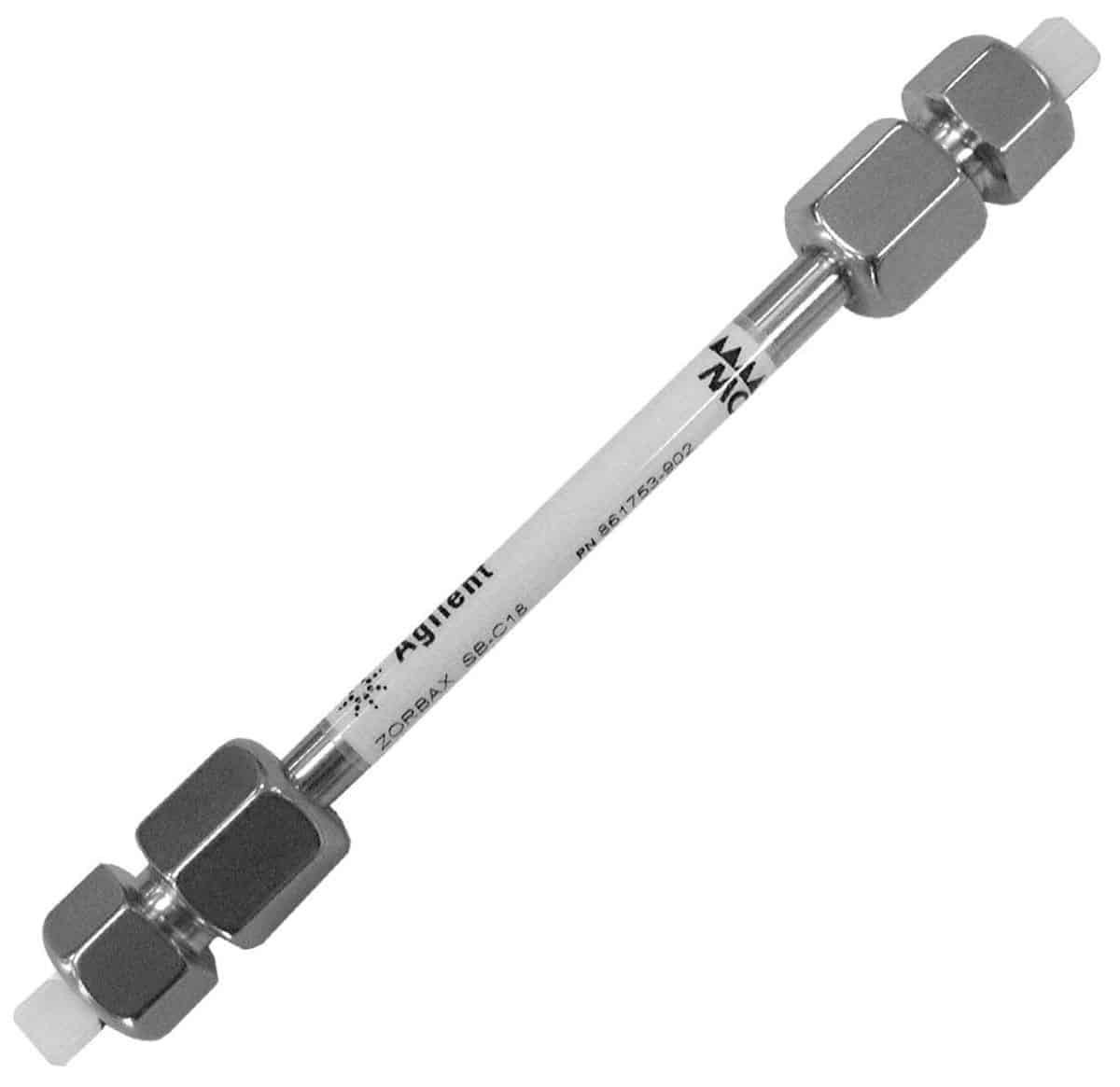 |
|
Ans. c
5. Pressure range in normal analytical separations Ans. 3000 – 6000 psi
6. Typical HPLC column dimensions Ans. 250 mm length, 4.6 mm ID
7. The mobile phase used in HPLC analysis is Ans. Liquid
8. Increase in flow rate of mobile phase leads to Ans. Faster elution of sample components
9. HPLC columns are generally made of Ans. Corrosion resistant stainless steel SS 316
10. Most commonly used HPLC detector Ans. UV detector at fixed wavelength
11. Most commonly used mode of HPLC analysis Ans. Reverse phase chromatography
12. Isocratic mode of operation implies Ans. Use of constant composition of mobile phase irrespective of number of solvents used throughout the analysis run
13. Retention time drifts of eluting compounds are controlled by Ans. Making use of a column oven
14. Degassing of the HPLC solvents is carried out essentially to Ans. Remove dissolved gases so as to avoid bubble formation inside the system
15. Which technique is not recommended for degassing of mobile phase Ans. Boiling of mobile phase
16. Excessive pump pressure leads to following problems Ans. Faster wear and tear of pump components
17. HPLC sample solubility should be checked first in Ans. Mobile phase or solvent (s) having close polarity to mobile phase
18. Light – Sensitive Samples are store in Ans. Amber Colored Vials
19. Which is a bulk property detector? Ans. Refractive index detector
20. Which mode of HPLC separates sample components by molecular size Ans. Gel permeation chromatography