Reverse Phase Chromatography
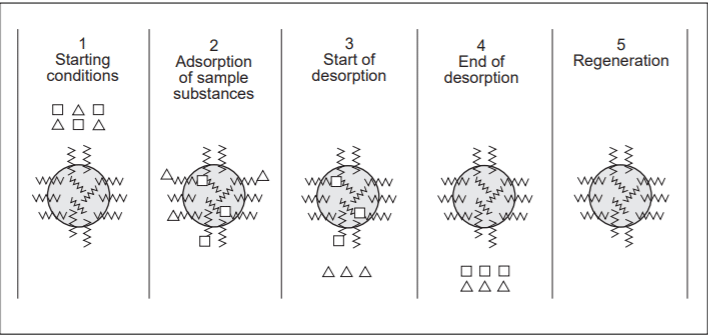
Reverse phase chromatography is established on the partition equilibrium between the non-polar (hydrophobic) stationary phase and the polar mobile phase.
Browse all HPLC articles, guides, and protocols.
Reverse phase chromatography is established on the partition equilibrium between the non-polar (hydrophobic) stationary phase and the polar mobile phase.
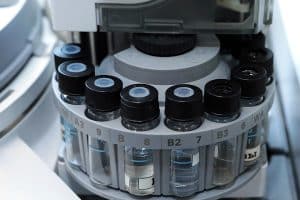
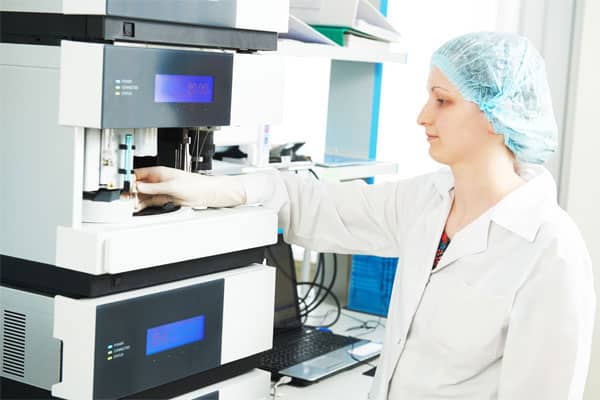
Automated injection via a programmable autosampler improves the accuracy, consistency, and throughput of chromatographic results over manual injection methods.
Practical tips for trouble-free HPLC operation: system inspection, mobile phase filtering, air bubble removal, injector care, and start-up/shutdown steps.
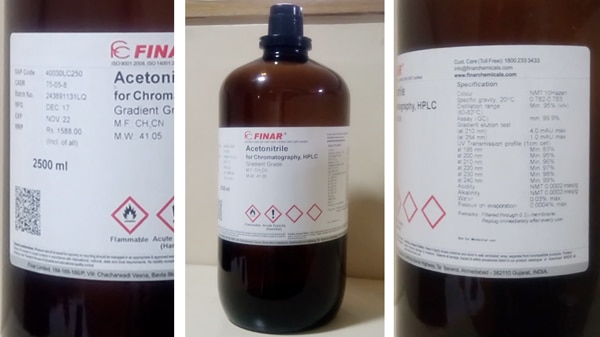
HPLC grade solvents are distilled and filtered to over 99.9 percent purity, and their UV cut-off, viscosity, and stability directly affect result reliability.
Buffers in HPLC separations control ionization of acidic or basic samples, requiring careful selection of pKa, pH range, and concentration for reproducible results.
The flexibility of HPLC in sample scale, stationary phases, detectors, and mobile phases makes it dominant in pharma, food, and environmental analysis.
Selecting HPLC mobile phase solvents means weighing cost, solubility, UV absorbance, volatility, viscosity, and inertness to avoid degrading separation performance.
Preventive maintenance for HPLC systems covers regular upkeep of the mobile phase, columns, pumps, injectors, and detectors to avoid breakdowns.
HPLC is a versatile analysis tool that affords separation and quantification of large range of chemical compounds.
The focus of the present article is on differences between GC and HPLC techniques so as to help you decide the appropriate technique for the particular analysis in hand.
How HPLC with UV or photodiode array detection is used to validate that laboratory glassware is free of residues before being reused for sensitive analysis.
Restoring HPLC column performance reverses the peak shape and resolution decline columns develop over time, using a flushing sequence matched to the stationary phase.
Reliable HPLC results depend on properly maintaining every instrument component, including the mobile phase, sample, column, pump, injector, and detector.
Practical tips for HPLC laboratories to save time and increase throughput through staff training, advance work planning, and preventive instrument maintenance.
Minimizing HPLC column replacement costs means extending column life through careful handling and storage, since columns are a major recurring cost in HPLC analysis.
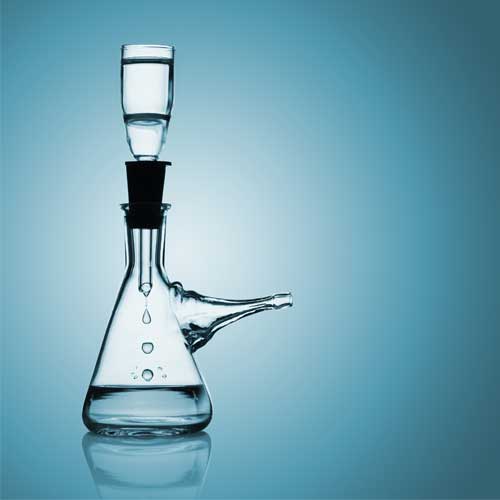
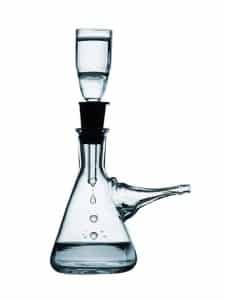
Filtering HPLC mobile phase solvents removes suspended particulates that can build up in columns, raise back pressure, and damage pump components over time.
The article discusses briefly about some common HPLC analysis applications in clinical laboratories.
HPLC is a useful technique for analysis of nutrition content of foods
A comparison on characteristic features of HPLC that make it score over TLC. Click here to read more about the advantages of HPLC over Thin-layer Chromatography.
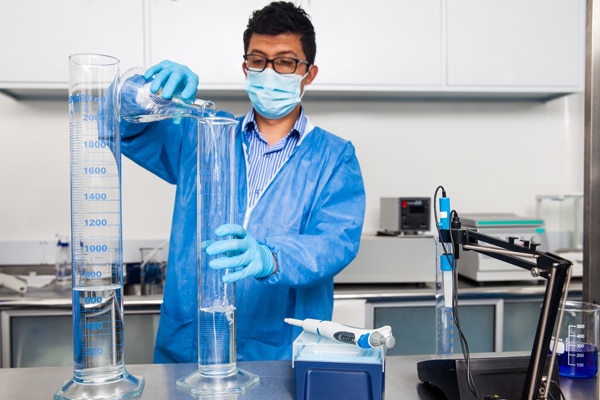
The efficient operation of HPLC system is dependent on freedom of mobile phase and sample from chemical impurities or solid suspensions.
The first HPLC quiz was published on the site on 18 June 2014 and I am glad to inform that a number of our subscribers scored over 80% in response to the discount offer and have earned 20% discount on the course fee.
HPLC is a separation technique which is extensively used to separate, identify and quantify components of mixtures of organic compounds selectively
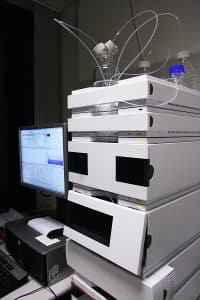
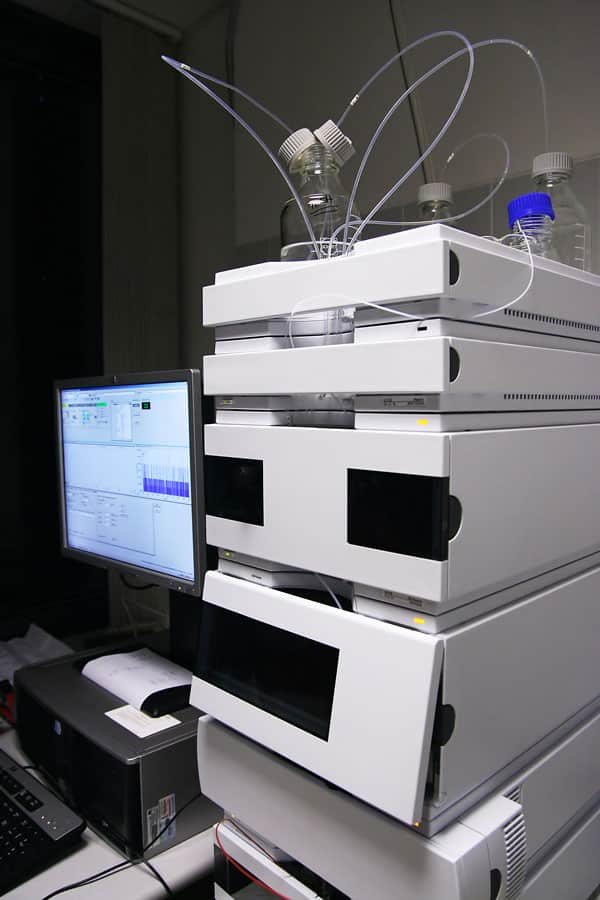
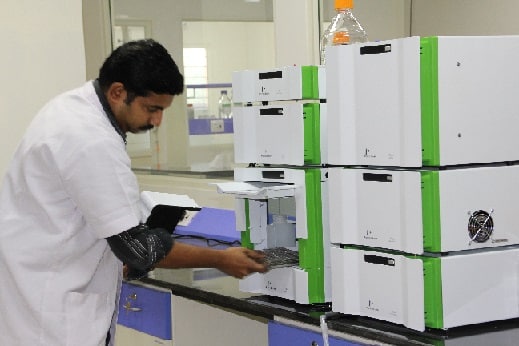
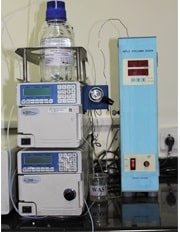
HPLC is a popular analysis technique and several reputed makes are available. On first appearance it looks like a modular boxes and an intricate bunch of tubings
Handling the HPLC mobile phase properly covers solvent quality, consistent mixing, filtration, degassing, and storage to ensure repeatable chromatographic results.