
Temperature Control of the Gas Chromatographic Column
Temperature control of the GC column refers to the two operating modes used in a gas chromatographic separation, isothermal, in which the column oven is held at one constant temperature, and temperature-programmed, in which the oven temperature rises at a set rate during the run, each offering a different trade-off between analysis speed and peak resolution.
Temperature plays a crucial role in GC separations. The Gas Chromatographic column can either be maintained at a uniform temperature during the analysis or its temperature can be varied at a predetermined rate. In this article the benefits of both the operational modes are discussed .Before going into the modes it is important to understand the role the temperature plays in the GC separation.
Higher temperature – faster speed of analysis but at cost of resolution
Lower temperature – slower analysis but better resolution
Isothermal Temperature Control
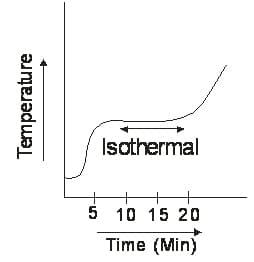
Isothermal Mode
In Isothermal mode the column oven temperature is maintained at a constant value throughout the analysis run. The mode is satisfactory for resolving the peaks of low boiling point components of the sample. The temperature is set to around midpoint of the boiling range of the sample components. If the temperature is set at too high value the lighter components will co-elute resulting in poor resolution. The higher boiling range components elute eventually due to the higher retention times but undesirable band broadening appears.
Temperature Programmed Mode
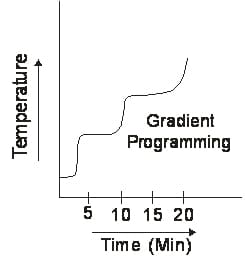
Temperature Programme Mode
Temperature programmed mode refers to a continual rise of temperature at a predetermined rate during the sample analysis. This mode of operation offers several advantages such as
- Improvement of peak shapes
- Improvement of resolution
- Completion of analysis in a fraction of time it would take for the isothermal operation
The above mentioned advantages are clearly seen in the representative chromatograms of hydrocarbons C6 to C21 having boiling ranges from 70°C to 360°C in the two modes
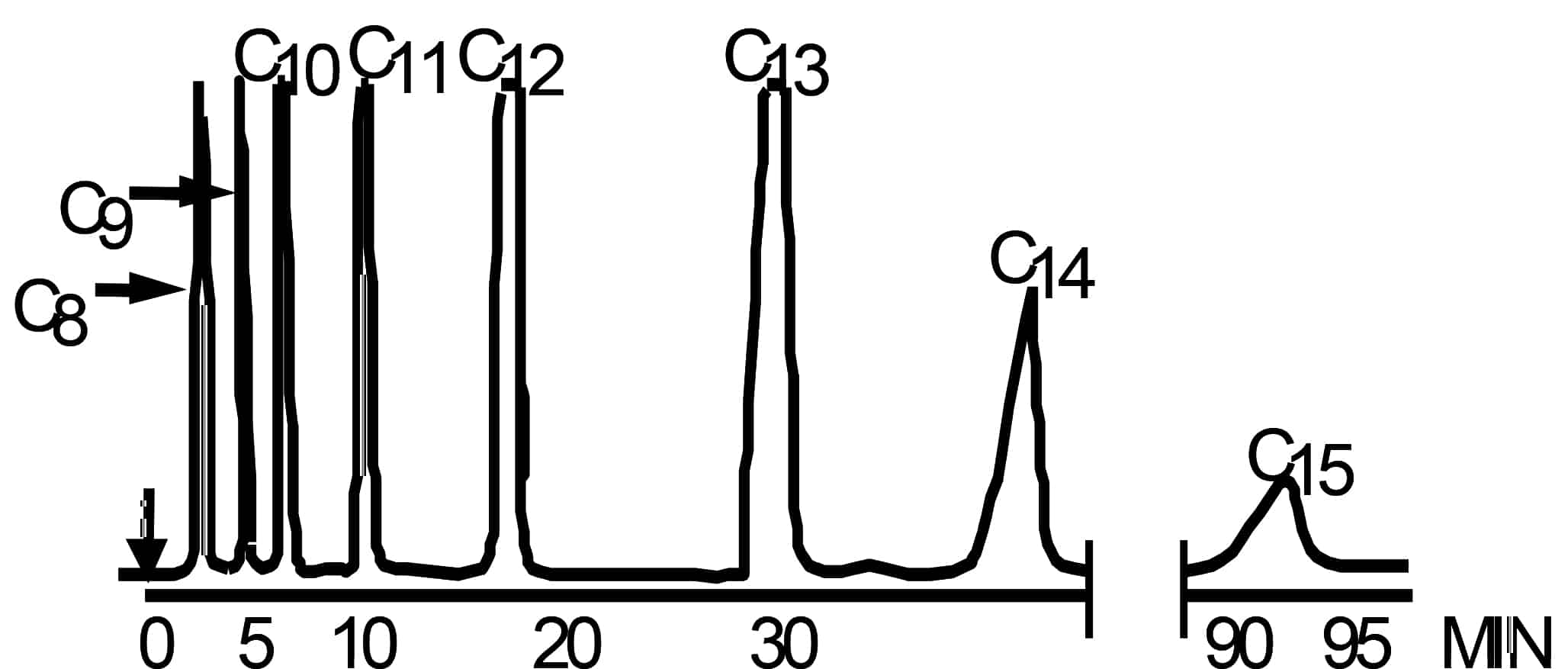
Isothermal Chromatogram
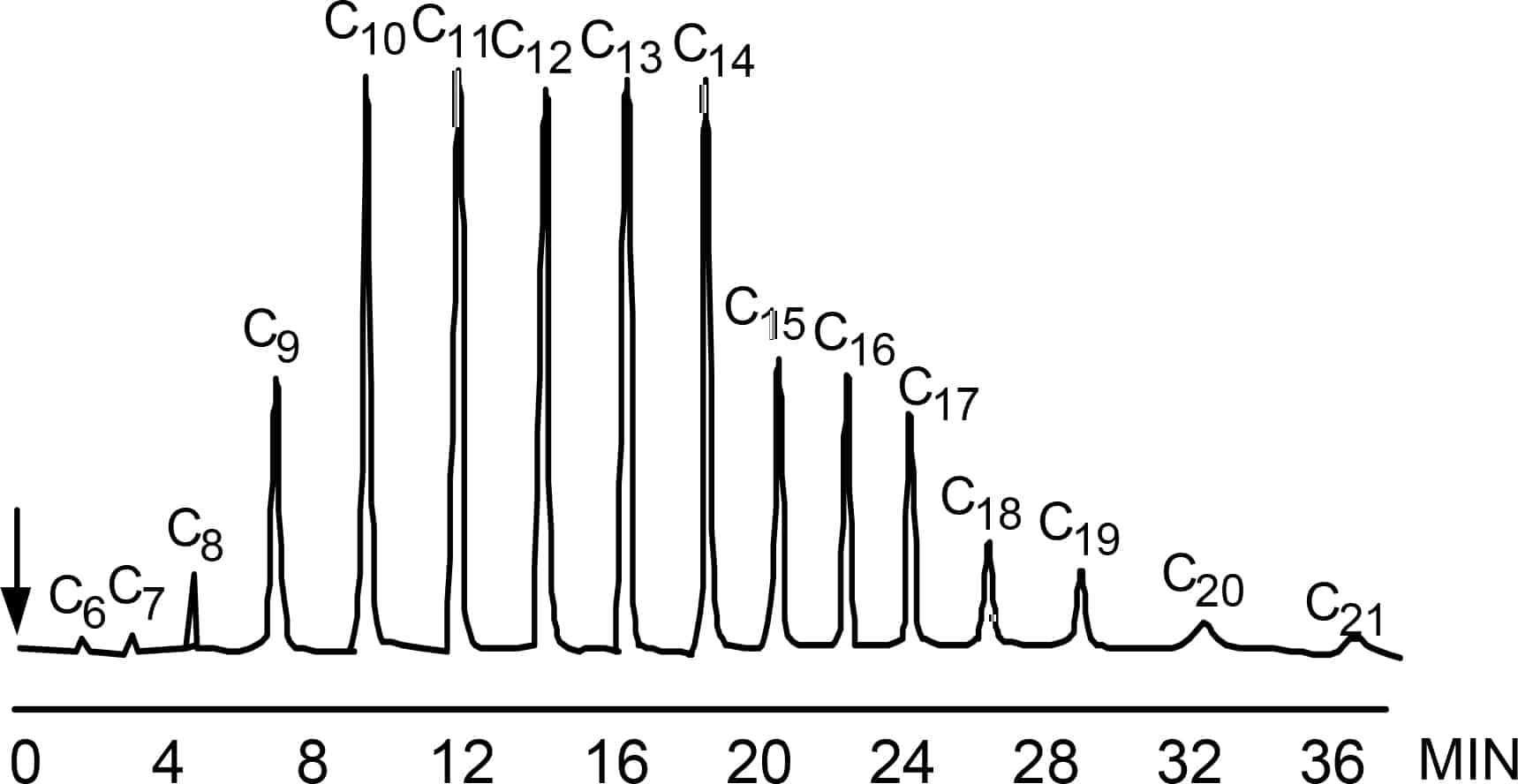
Temperature Gradient Chromatogram
Drawbacks of Temperature Programming
- The temperature of injector and detector needs to be maintained at constant value in separate heat zones which are independent of oven temperature. This requires special design features to be incorporated into the instrument
- Column bleed, ie, loss of vapour of the liquid coating of stationary phase can occur over the temperature range of the program
The advantages offered by temperature programming far outweigh the disadvantages and makes it preferred mode of Gas Chromatographic operation.