Understanding the response factors of a GC detector
Defines the key response parameters of a GC detector, dynamic range, minimum detectable sensitivity, linear range, and response, plus the noise types that affect them.
Browse all Gas Chromatography articles, guides, and protocols.
Defines the key response parameters of a GC detector, dynamic range, minimum detectable sensitivity, linear range, and response, plus the noise types that affect them.
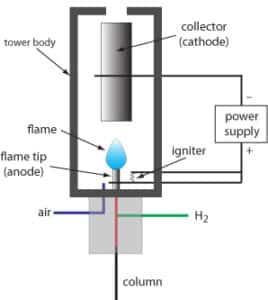
Gas Chromatography offers a wide range of detectors to meet your analysis. This article will help you decide the right detector for Gas Chromatographic analysis.
Covers how fluctuations in gas chromatography operating conditions can cause unexpected peaks, retention time shifts, or peak shape distortions.
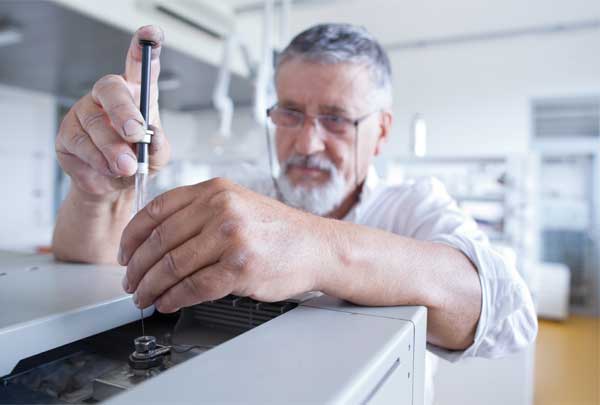
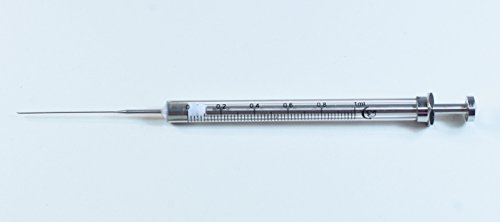
Tips for improving reproducibility of manual syringe injections in gas chromatography, covering syringe selection and technique for better precision.
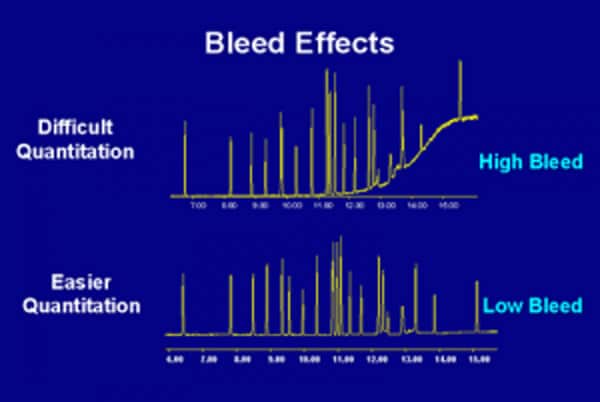
Explains what causes GC column bleed, thermal breakdown of the stationary phase near its temperature limit, and steps like conditioning and oxygen traps to minimize it.
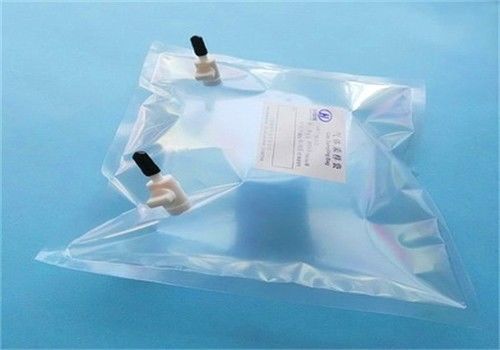
Explains spot, continuous, and grab sampling methods, including evacuated bulbs and gas-tight bags, for collecting gas samples for GC analysis.
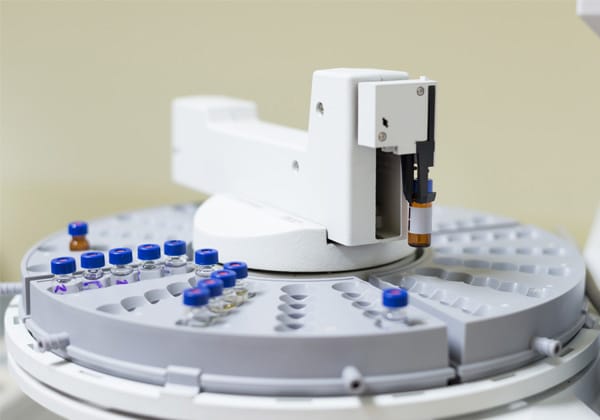
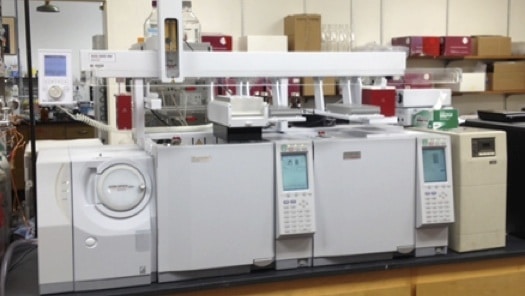
Compares manual syringe injection with autosamplers and gas sampling valves in gas chromatography, highlighting reproducibility and unattended operation.
Explains what causes retention time drift in gas chromatography, including carrier gas flow changes, leaks, and stationary phase damage.
Offers practical tips for consistent manual syringe technique in GC injections, covering inspection, temperature equilibration, rinsing, and timing to improve accuracy.
Announces Lab Training's self-paced online certificate course on Gas Chromatography, following its HPLC and AAS courses, with registration details.
Covers corrective actions for the most common GC syringe problems, blockage, bent or broken needles and plungers, and trapped air bubbles, to restore accurate injection.
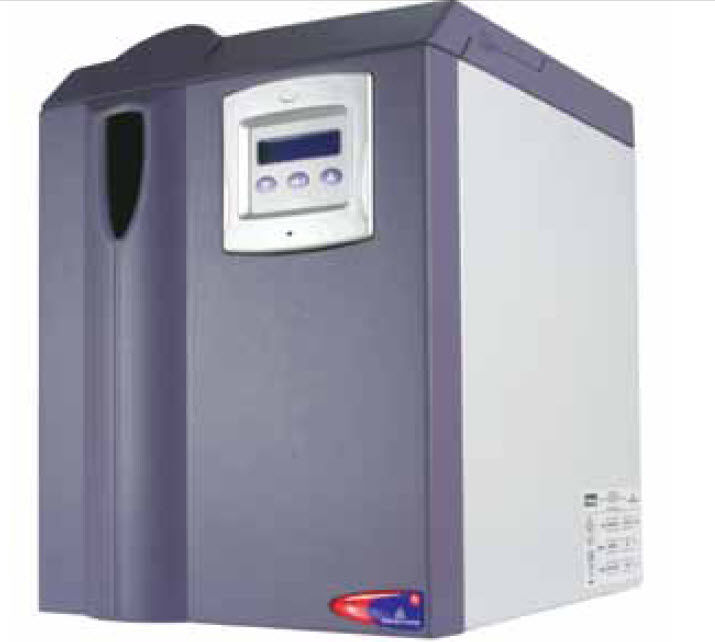
Compares laboratory gas generators to rented gas cylinders for supplying GC carrier gases, weighing cost, convenience, safety, and environmental benefits.
Explains how multi-dimensional GC uses two columns, via comprehensive or heart-cutting transfer, to resolve complex mixtures a single column cannot separate.
Covers the causes of capillary GC column damage, breakage, heat, oxygen exposure, chemical attack, and contamination, and how to prevent and reverse each.
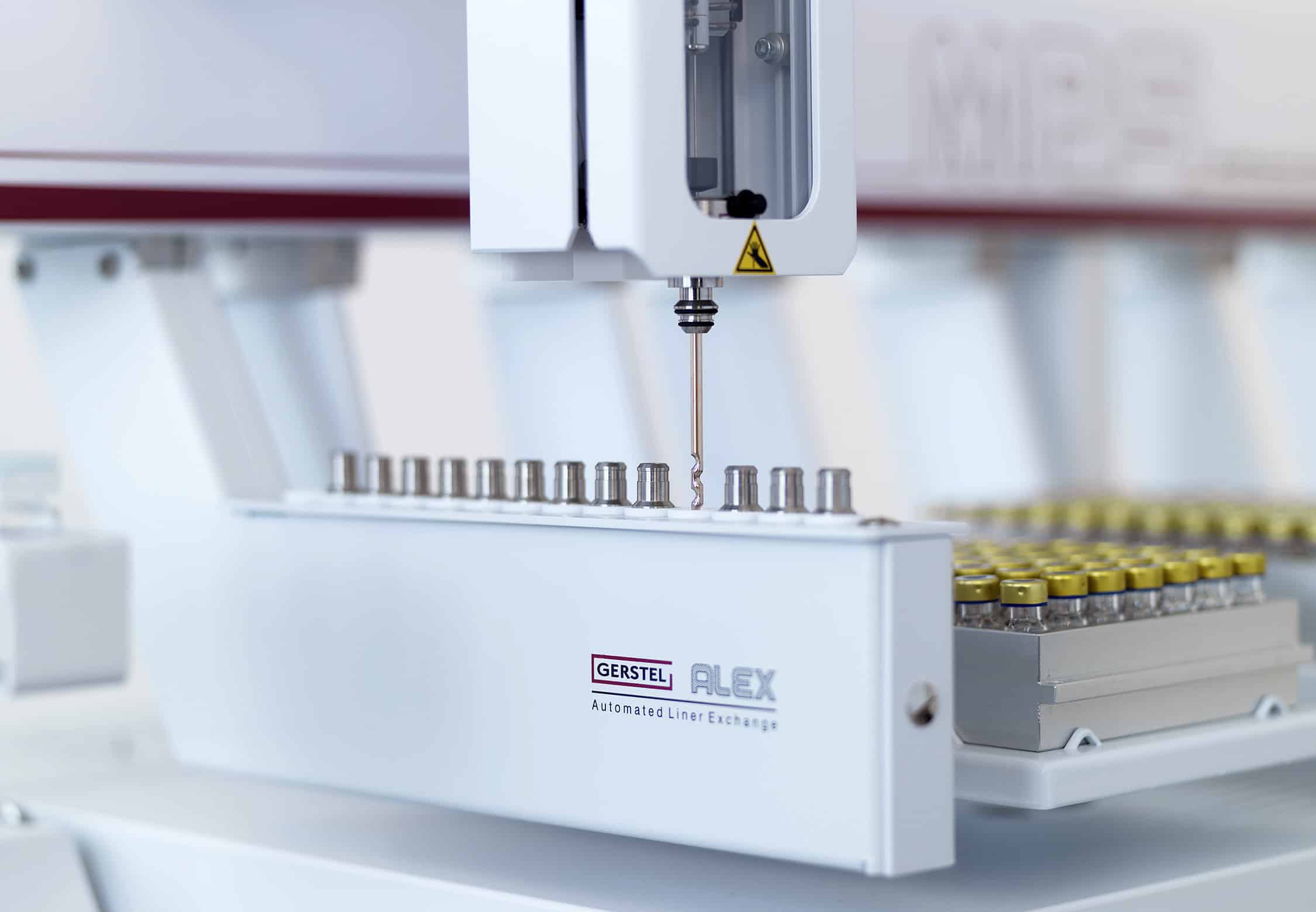
Explains how automated liner exchange systems replace contaminated GC injector liners mid-sequence, saving time versus manual cleaning or replacement.
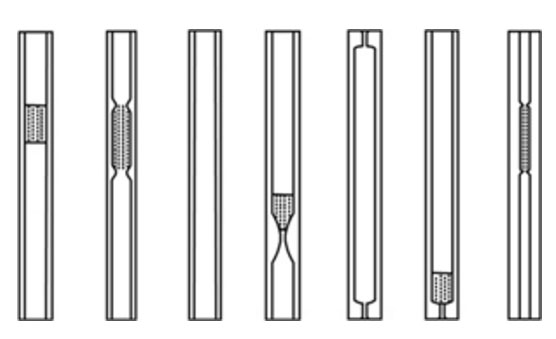
Explains how GC inlet liner design, packed, unpacked, or baffled, should be matched to split, splitless, direct, or PTV injection techniques for reliable sample transfer.
Compares splitless, split, direct, and on-column injection techniques for capillary GC, explaining how each affects sample transfer, sensitivity, and peak shape.
Covers causes of random fluctuations in GC operating conditions, from gas quality and leaks to injection reproducibility and temperature drift.
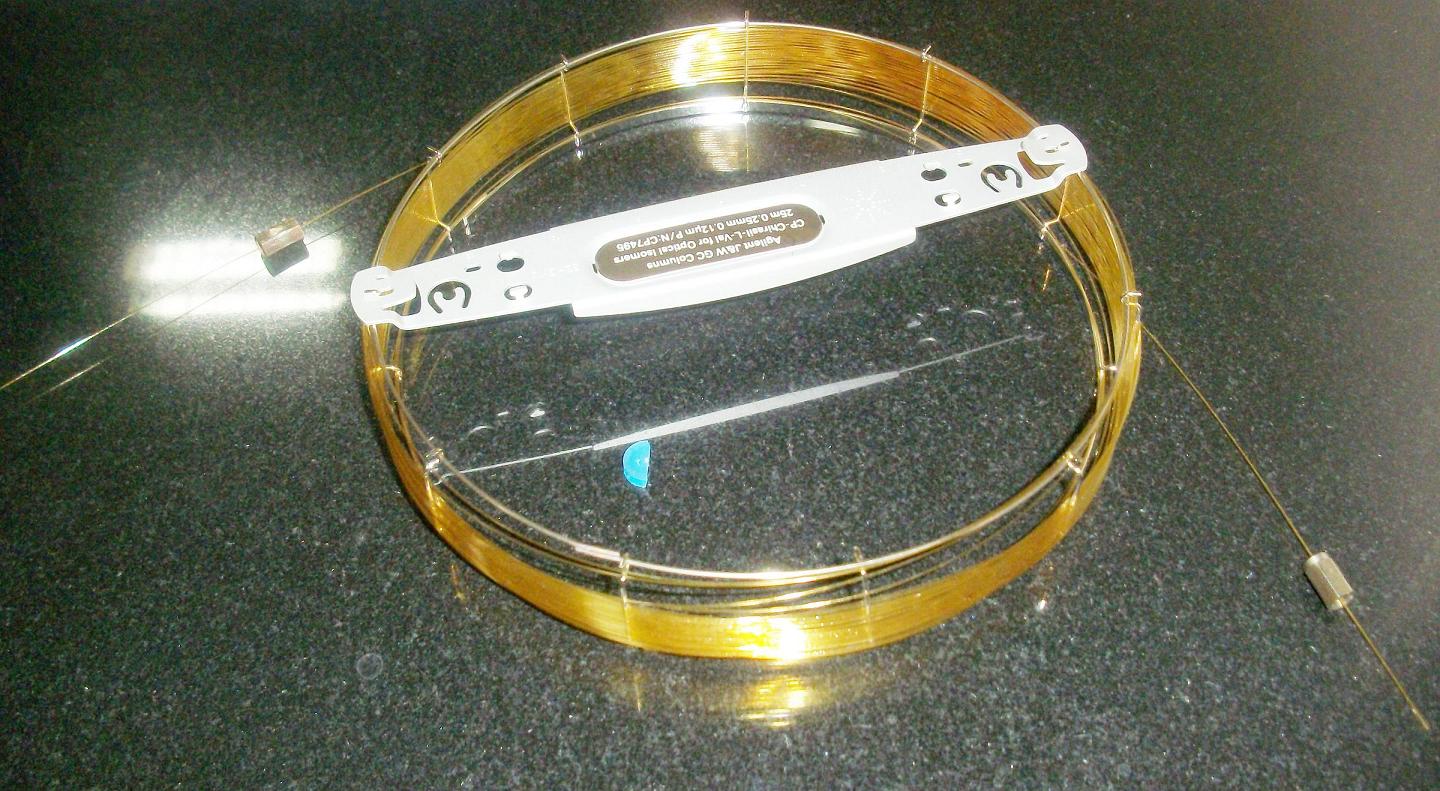
Explains why capillary GC columns are typically kept within 15 to 60 meters, since longer columns bring diminishing gains alongside cost and bleed.
The accuracy and precision of your results will largely depend on reproducibility of injection volumes. Read more about Injection Practices in Gas Chromatography.
Gas chromatography is an established and popular technique used for separation of components of a mixture of gases or liquids and help quantify them.
A chromatographic detector serves to identify and quantify the sample components as they reach it in a sequence after separation in the chromatographic column.
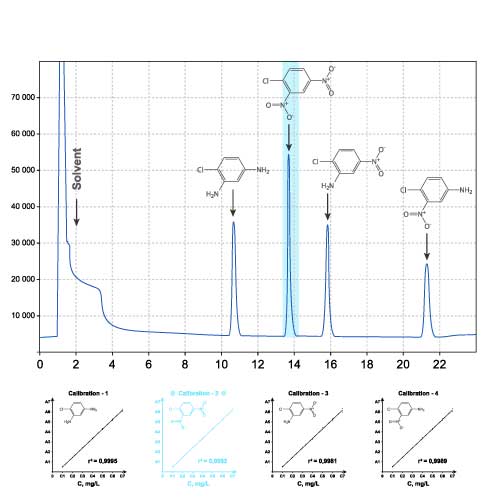
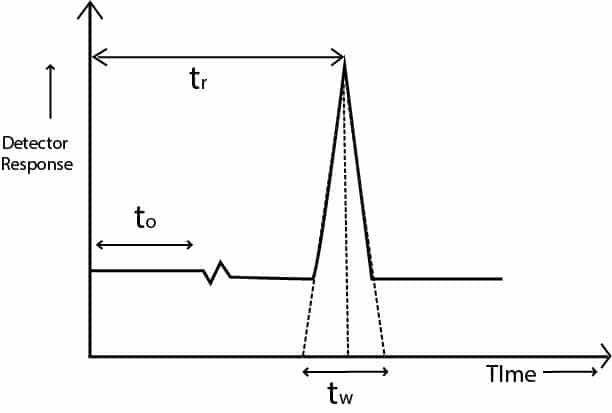
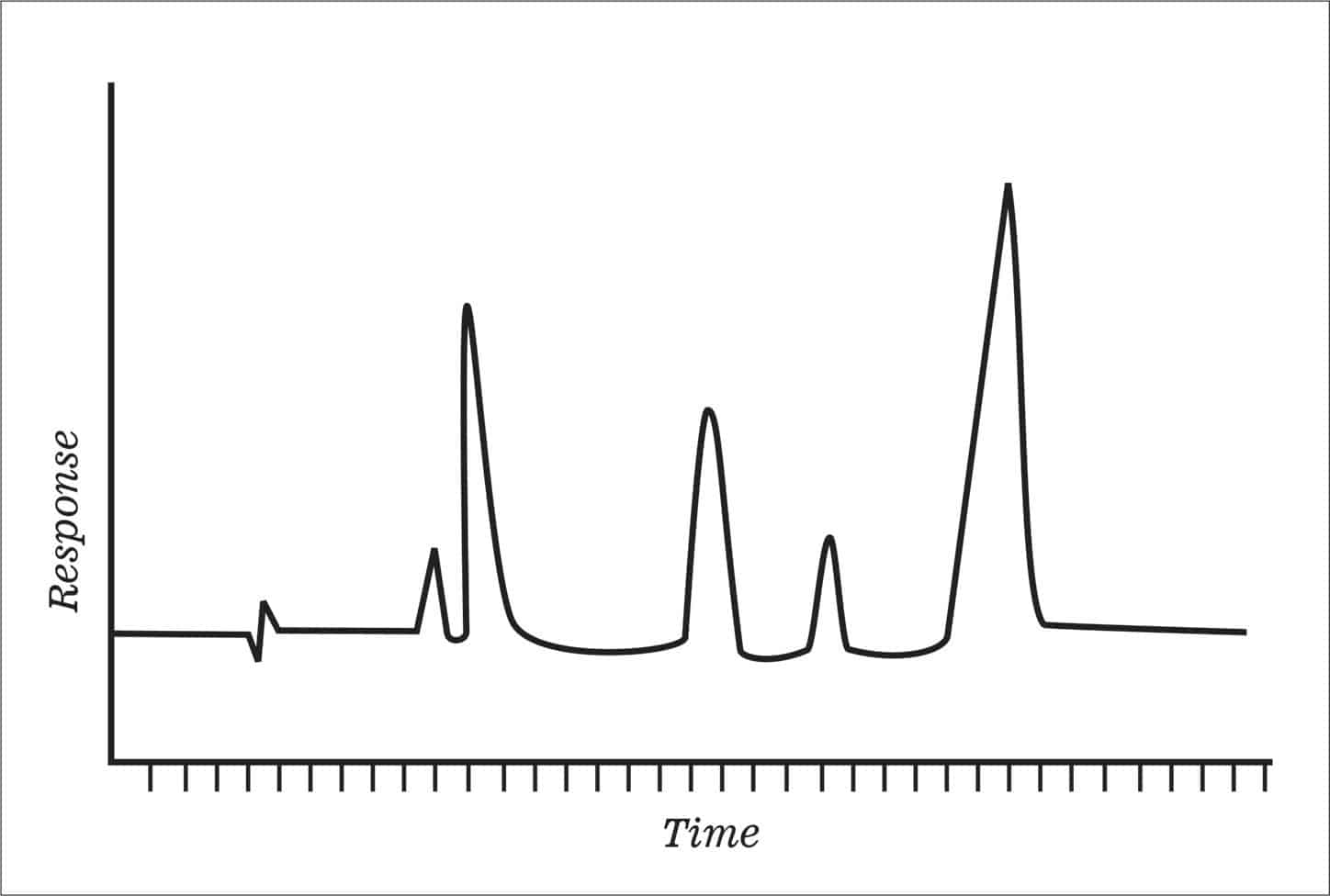
A typical chromatogram comprises of several peaks varying in size. The height of each peak is in proportion to the amount of the particular component present in the sample mixture injected into the chromatograph.
It is important for all laboratories to prominently display colour code charts in workplace, in gas storage space so as to familiarise the workers with hazards of gases.