10 Similarities Between HPLC and GC (Gas Chromatography)
The present article discusses 10 key features which are common to HPLC and GC techniques. These features will recollect your basic understanding of chromatography.
Browse all Gas Chromatography articles, guides, and protocols.
The present article discusses 10 key features which are common to HPLC and GC techniques. These features will recollect your basic understanding of chromatography.
HPLC and GC are established techniques used in academic and industrial laboratories. A thorough understanding of their differences is helpful in making the right choice for your sample analysis.
Gas Chromatography has a distinct edge over Thin Layer Chromatography .It affords highest resolution and sensitivity for complex mixtures through choice from a vast range of columns, detectors and control over operational parameters.
The distinction between Gas Solid chromatography (GSC) and Gas Liquid chromatography (GLC) is often not clearly understood.
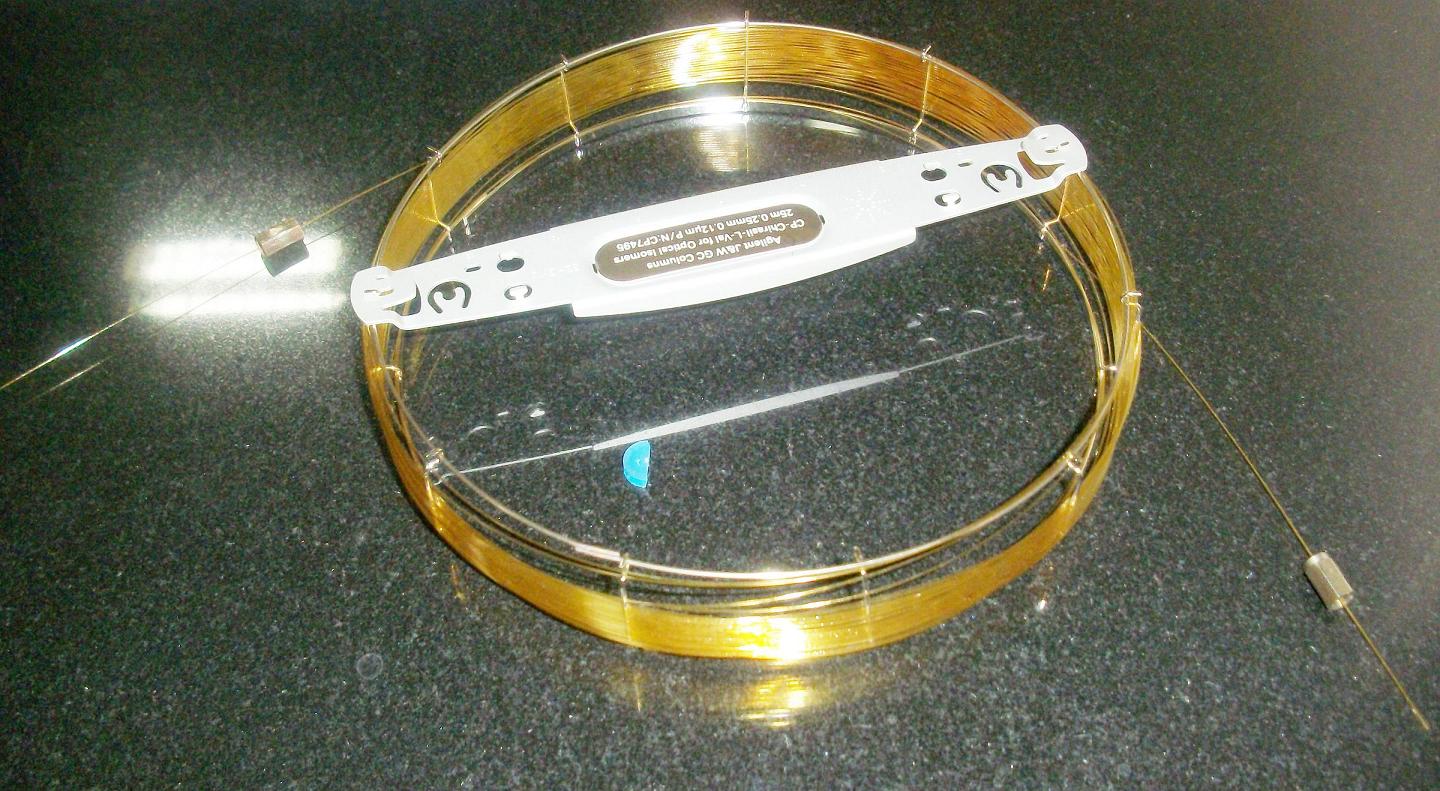
GC column is a delicate item which can retain its operational characteristics over an extended period provided its handling and operational guidelines are diligently followed.
As a research chromatographer you are required to develop a method or optimize an existing application.
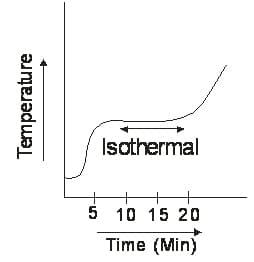
The Gas Chromatographic column can either be maintained at a uniform temperature during the analysis or its temperature can be varied at a predetermined rate.
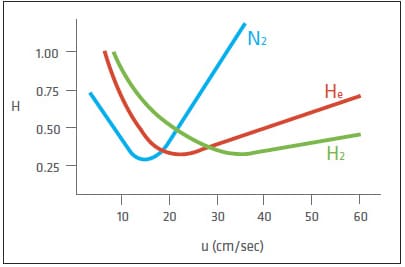
The operational parameters can be optimized to your advantage to get the best output from your gas chromatograph.
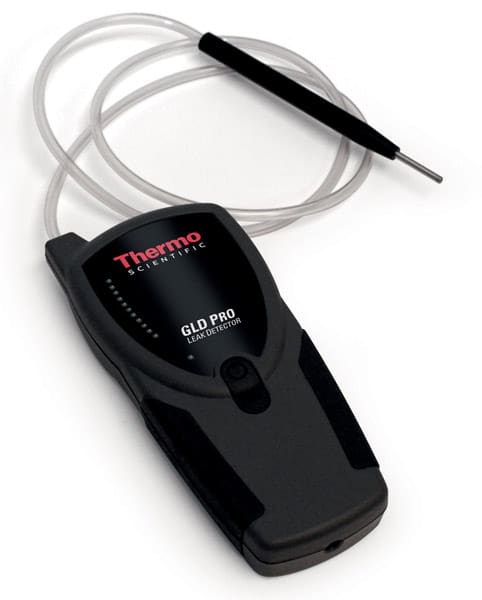
Leaks should be checked and eliminated before proceeding for column conditioning and start of analytical work on the Gas chromatograph.
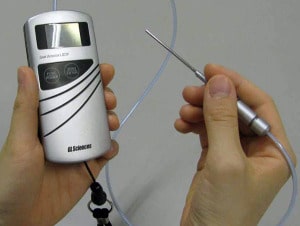
In essence you can achieve a high degree of GC performance and reproducibility of results once you ensure freedom from leaks before running the GC system.
Gas chromatography has found large-scale applications in monitoring of petroleum refining and finished product testing. Click here to read more.
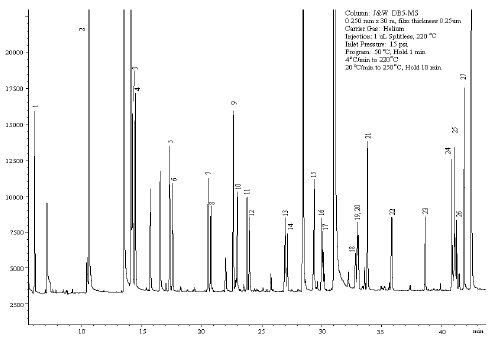
Gas chromatography alone or in combination with headspace analysis or mass selective detection has found widespread application and analysis of flavours in foods and beverages.
Follow the suggested steps to prolong the resolving power of your caplliary GC column
The regulator supplies gas at constant pressure to the Gas Chromatography. Know your requirements before selection of the gas regulator.
Why capillary columns are better than packed ones, let’s learn about each of them individually. This will help you understand the differences in a better way.
A carrier gas serves as a medium for transport of eluting molecules through the Chromatograph in Gas Chromatography.
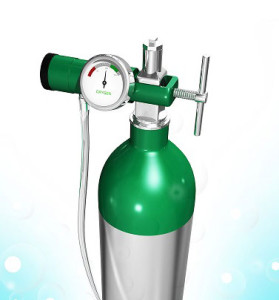
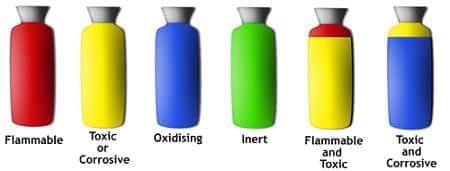
The Gas Chromatographic gases are supplied in compressed gas cylinders which are colour coded and require careful handling to prevent accidents.
Remember to turn off the oven fan when checking Gas Chromatography column leaks.
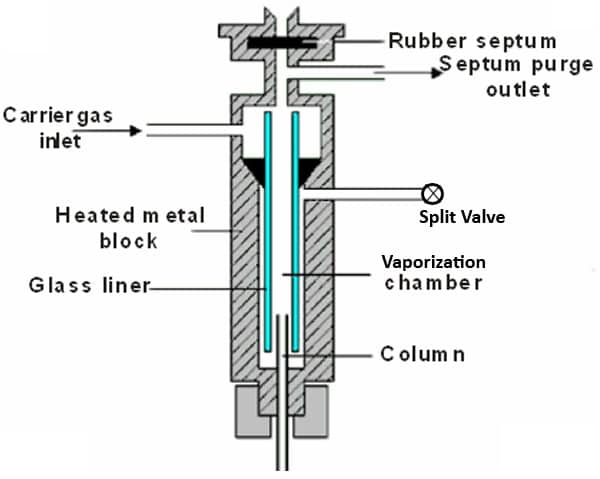
Benefits of split/splitless injection in Gas Chromatography detection gives you the freedom of changing the amount of sample component entering the capillary column.
Conditioning is a process involving flow of carrier gas through a GC column at elevated temperature to flush out residual contaminants and make it fit for reliable use.
Choice of Gas Chromatography column internal diameter depends on the concentration of the sample. When sample loading exceeds Gas Chromatography column capacity there is loss of resolution, poor reproducibility and peak distortion.
Gas purification of commercially available gas supplies is necessary to generate stable baselines without noise or ghost peaks in gas chromatographic analysis.
Sample injection is a critical part of Gas Chromatography analysis. A number of errors do creep in if due consideration is not given to the proper choice of sample introduction syringe.
HPLC and GC are separation techniques which have gained a strong foothold in chemical laboratories.