
Why is Conditioning necessary for GC Columns?
Conditioning is a process involving flow of carrier gas through a GC column at elevated temperature to flush out residual contaminants and make it fit for reliable use.
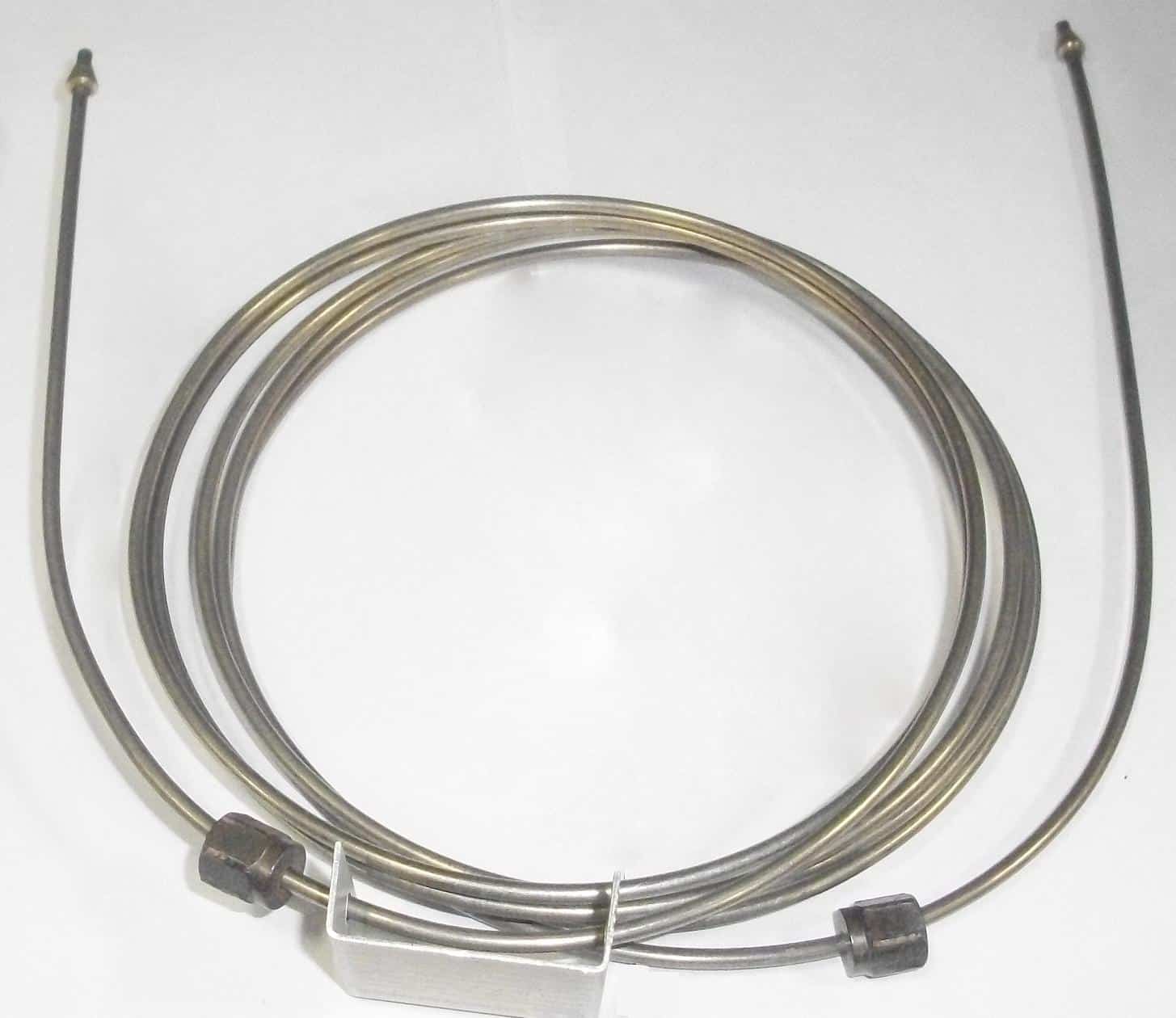
Packed Column
Impurities such as oxygen and water have a potential of causing irreversible damage to stationary phase at elevated temperatures during operation and shorten the useful lifetime of a GCcolumn.
Temperature Requirement for Conditioning
Initial purging at room temperature serves to remove traces of oxygen and moisture from GC column and injector.
Every GC column has two temperature limits:
Isothermal maximum is the temperature a column can tolerate for extended periods of time
Maximum temperature is the temperature that a column can sustain for short periods, typically less than 10 min without any damage to stationary phase.
For the purpose of conditioning the isothermal maximum temperature should not be exceeded.
Time requirement for conditioning
The flow rate, inlet pressure and conditioning time depend on GC column dimensions. Generally conditioning can be completed in 1-2 hours but GC columns having longer lengths (> 30 m) or with thicker film packings (>0.5 μm) may require longer conditioning. Overnight conditioning is not always necessary. Use of high sensitivity detectors such as mass spectrometer can also necessitate longer conditioning times.
Necessity for Conditioning
All new GC columns are shipped after preconditioning but it is advisable to recondition them prior to use. Unconditioned GC columns contribute to excessive baseline noise which becomes difficult to suppress.
GC columns should be conditioned before use as they can contain volatile components from the inner wall coating process. Capillary GC columns contain lesser quantity of stationary phase but conditioning is advisable for these GC columns as well.
A packed column which has been stored for some time without end caps or plugs can get contaminated with impurities present in the air and should be conditioned prior to use.
It can be seen that you will face lesser problems when you use conditioned columns before starting analysis. It takes a few hours to condition GC columns but you can save several hours of your valuable time subsequently.
Please do share your experiences if you have used unconditioned GC columns and leave your comments.
What does conditioning a GC column involve?
Conditioning is the process of flowing carrier gas through a GC column at elevated temperature to flush out residual contaminants, making the column fit for reliable use.
Why can impurities like oxygen and water damage a GC column?
Impurities such as oxygen and water can cause irreversible damage to the stationary phase at elevated temperatures during operation, which shortens the useful lifetime of the column. Initial purging at room temperature helps remove these traces of oxygen and moisture from the column and injector before conditioning at temperature.
What is the difference between a column's isothermal maximum and maximum temperature?
The isothermal maximum is the temperature a column can tolerate for extended periods of time, while the maximum temperature is the temperature it can sustain only for short periods, typically less than 10 minutes, without damaging the stationary phase. Conditioning should not exceed the isothermal maximum.
How long does GC column conditioning typically take?
Conditioning can generally be completed in 1-2 hours, but columns longer than 30 m or with thicker film packings above 0.5 micrometers may need longer, as can setups using high-sensitivity detectors such as a mass spectrometer. Overnight conditioning is not always necessary.
Do new GC columns need conditioning even though they ship preconditioned?
Yes. All new GC columns are shipped after preconditioning, but it is advisable to recondition them before use since they can still contain volatile components from the inner wall coating process.
What happens if a GC column is used without conditioning?
Unconditioned GC columns contribute to excessive baseline noise that becomes difficult to suppress. A packed column stored for some time without end caps or plugs can also become contaminated with impurities from the air and should be conditioned before use.