
Safe storage practices for chemicals in laboratory refrigerators
Guidelines for storing chemicals in explosion-proof lab refrigerators, explaining why domestic fridges are unsuitable and how to prevent vapour buildup.
Browse all Laboratory Safety articles, guides, and protocols.
Guidelines for storing chemicals in explosion-proof lab refrigerators, explaining why domestic fridges are unsuitable and how to prevent vapour buildup.
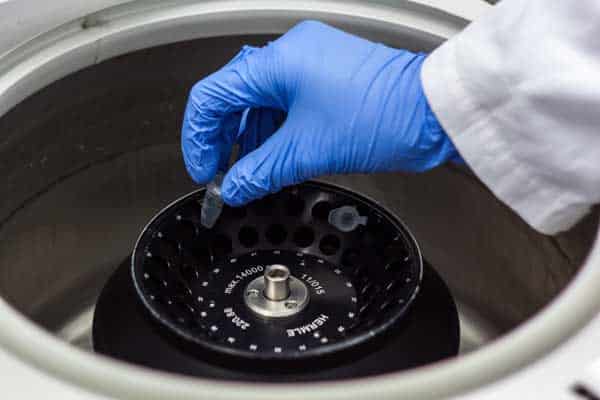
Best practices for safely operating a lab centrifuge, from pre-use inspection and tube balancing to safe run speeds, preventing breakage, spills, and injury.
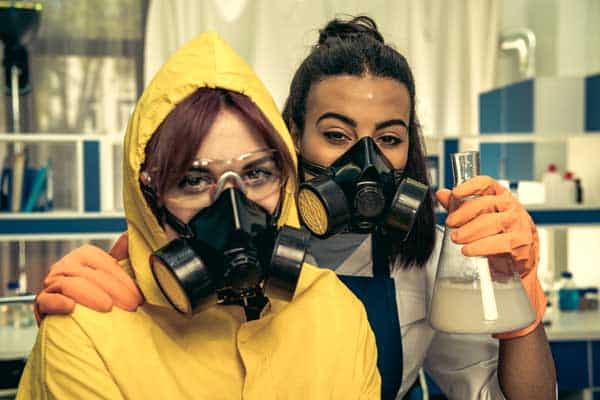
Overview of cartridge, powered-air, and dust respirator types used in laboratories, and the maintenance practices needed to keep them protective.
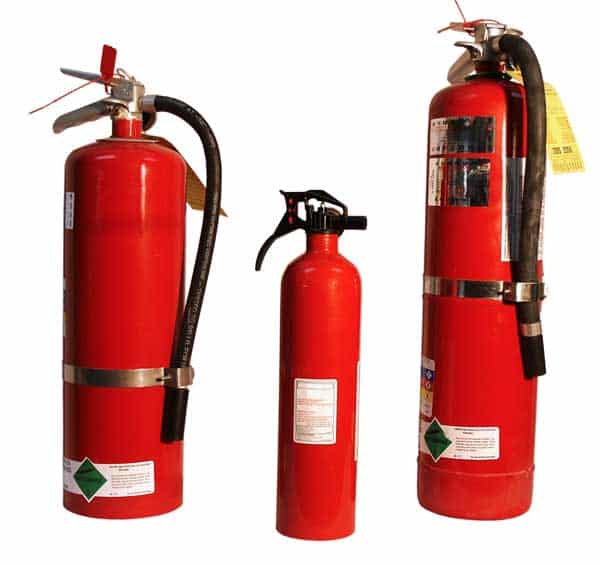
How to select the right class A, B, C, or D fire extinguisher for a laboratory fire and use it correctly based on the burning material involved.
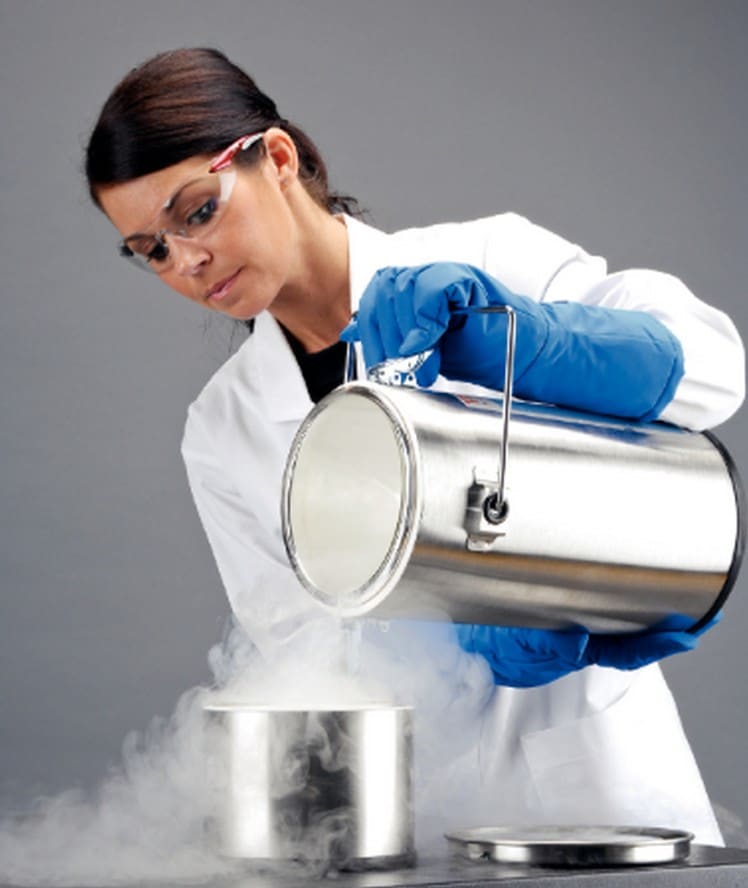
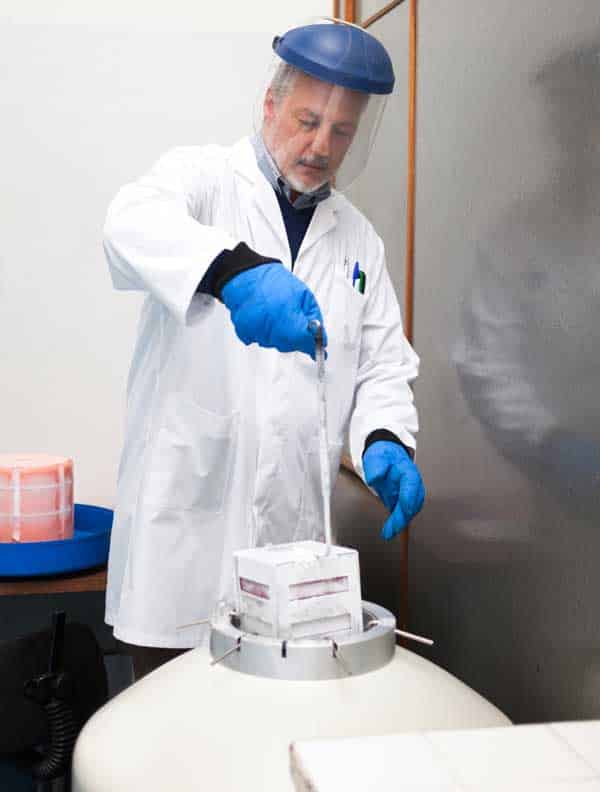
Safety guidelines for handling laboratory cryogens, covering transport, storage, and protective equipment to prevent frostbite, asphyxiation, and burns.
Explains the hazards of laboratory cryogens like liquid nitrogen and helium, including rapid vaporization, splashing, asphyxiation, cold burns, and fire risk.
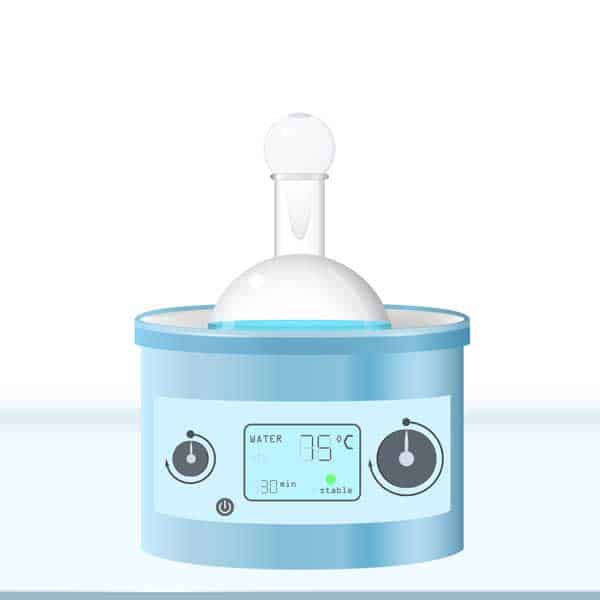
Safety tips for common lab heating devices, including Bunsen burners, hot plates, ovens, oil baths, and microwave digesters, to help prevent burns and fires.
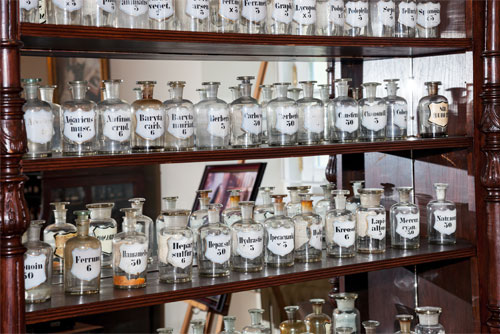
On entering any laboratory you will come across chemicals and reagents stocked on workbench platforms and sidewall shelves.
Laboratory safety measures undoubtedly contribute to an accident free environment but good hygiene practices supplement it with higher productivity and health of laboratory workers.
Hazardous Laboratory Spills can happen in all laboratories irrespective of their size or sophistication.
In the earlier article General Guidelines for Laboratory Safety you were provided tips on safe practices for carrying out different laboratory operations and processes. It is equally important to familiarize with safety symbols that you are likely to come across on laboratory walls, solvent and reagent bottles,containers and instruments in the laboratory.
While it is not possible to cover the entire subject on the laboratory safety in a short article such as this one an attempt is made to provide some useful guidelines when carrying out different laboratory operations and processes.