
Which is the best available option for storage of Laboratory Chemicals?
Storage of laboratory chemicals is commonly organized in one of three ways, unplanned random storage, alphabetical sequence, or storage by category, and storage by category on dedicated shelves is the recommended option because it groups chemicals by properties such as flammability, acidity, basicity, and toxicity, avoiding the compatibility hazards of the other two approaches.
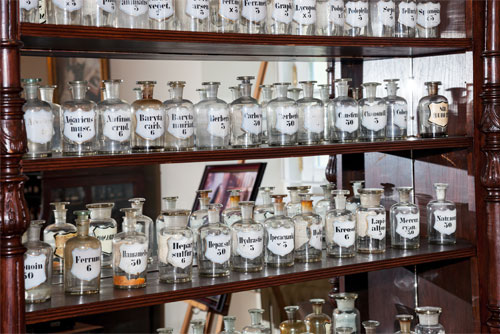
Laboratory Chemical Shelves
Which is the best available option for storage of Laboratory Chemicals?
On entering any laboratory you will come across chemicals and reagents stocked on workbench platforms and sidewall shelves. Have you ever wondered as to what would be the ideal plan for storage of chemicals.
The available options are:
- Unplanned Random storage
- Alphabetical sequence
- Storage by category
The merits and demerits of these options are discussed in this article
Unplanned random storage
A laboratory often resorts to an unplanned storage to suit individual convenience. This option may offer advantage of easy access but is ridden with potential hazards due to accidental contact between diverse groups such as acids and bases, oxidizing agents and flammable or water reactive chemicals. A major drawback of such a plan is that other users will waste their valuable time searching the required chemicals and after some time you will yourself not remember the storage sequence.
Alphabetical storage
This option appears to be an attractive solution as it permits the location of any chemical without wasting your valuable time. Most laboratories opt for this plan but it overlooks the compatibility factor and can lead to serious consequences in case of accidents.
Storage by category
From safety point of view storage by category in dedicated shelves is a recommended option. Such classifications are based on properties such as flammability, acids, bases, toxic compounds, water reactive compounds, indicators, etc. This approach is somewhat inconvenient but the inconvenience can be reduced to a great extent by numbering the reagent bottles and containers and pasting number wise listings alongside the respective shelves. Only frequently used chemicals should be kept on workbench so as to avoid excessive movement inside the laboratory.
In addition to the plan adopted it is highly recommended to store corrosive, explosive or poisonous substances in separate cabinets under lock and key to prevent misuse or pilferage.
It is important that all chemicals should be properly labelled and labels should bear safety symbols. It is also important to bear in mind that the storage plan can work only if everyone understands the importance of returning the chemicals to their designated places after usage.
Which is the best available option for storage of laboratory chemicals?
From a safety point of view, storage by category in dedicated shelves is the recommended option, since it groups chemicals by properties such as flammability, acidity, basicity, toxicity, and water reactivity, avoiding the hazards of the other two common approaches.
What are the drawbacks of unplanned random storage of chemicals?
Unplanned random storage offers easy access but is prone to potential hazards from accidental contact between incompatible groups, such as acids and bases or oxidizing agents and flammable or water-reactive chemicals, and it also wastes time as other users struggle to locate chemicals.
Why is alphabetical storage not recommended despite being convenient?
Alphabetical storage lets anyone locate a chemical quickly without wasting time, which is why many laboratories adopt it, but it overlooks chemical compatibility and can lead to serious consequences if incompatible substances end up stored next to each other.
How can the inconvenience of category-based chemical storage be reduced?
The inconvenience can be reduced significantly by numbering the reagent bottles and containers and posting number-wise listings alongside the respective shelves, while keeping only frequently used chemicals on the workbench to minimize movement inside the laboratory.
How should corrosive, explosive, or poisonous chemicals be stored?
Regardless of the overall storage plan adopted, it is highly recommended to store corrosive, explosive, or poisonous substances in separate cabinets under lock and key to prevent misuse or pilferage.
What labelling practices are important for stored laboratory chemicals?
All chemicals should be properly labelled and the labels should bear safety symbols, and any storage plan only works if everyone in the laboratory understands the importance of returning chemicals to their designated places after use.