
Importance of advance review of analysis requests by testing laboratories
Why testing laboratories must review analysis requests in advance, per ISO 17025 clause 4.4, checking methods, resources, and timelines before accepting work.
All articles from Lab Training, covering chromatography, spectroscopy, microbiology, and analytical method validation, in order of publication.
Why testing laboratories must review analysis requests in advance, per ISO 17025 clause 4.4, checking methods, resources, and timelines before accepting work.
Explains method validation in chemical analysis, covering selectivity, accuracy, precision, detection limits, linearity, and robustness before adoption.
Key precautions for validating analytical methods: calibrated instruments, clean glassware, contamination control, traceable standards, and accurate weighing.
Explains what causes retention time drift in gas chromatography, including carrier gas flow changes, leaks, and stationary phase damage.
Practices for preventing contamination in trace metal laboratories, covering sampling, storage, sample preparation, and environmental controls.
Discusses how to build an effective laboratory team by evaluating technical skill and commitment differently for fresh graduates versus experienced hires.
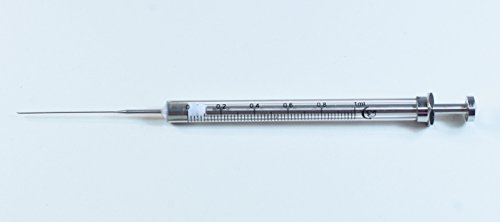
Offers practical tips for consistent manual syringe technique in GC injections, covering inspection, temperature equilibration, rinsing, and timing to improve accuracy.
Announces Lab Training's self-paced online certificate course on Gas Chromatography, following its HPLC and AAS courses, with registration details.
Covers corrective actions for the most common GC syringe problems, blockage, bent or broken needles and plungers, and trapped air bubbles, to restore accurate injection.
How to segregate and dispose of corrosive, flammable, toxic, radioactive, and biohazardous laboratory waste responsibly before handoff to disposal agencies.
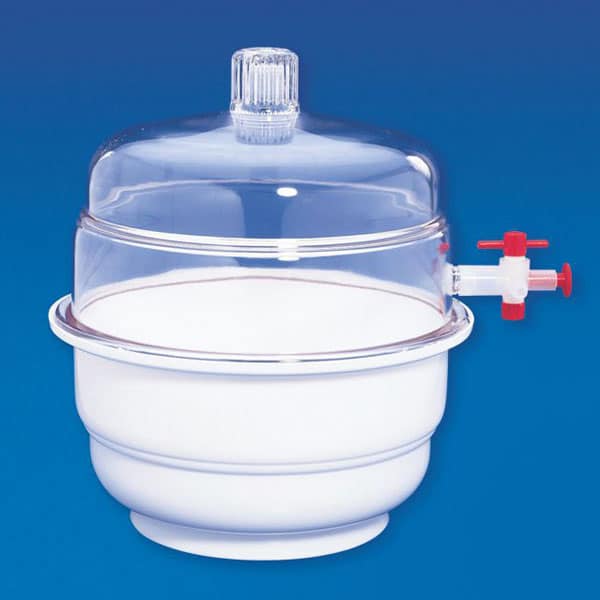
Explains what a laboratory desiccator is used for, the types available, and safe practices for opening, closing, and handling standard and vacuum models.
How HPLC with UV or photodiode array detection is used to validate that laboratory glassware is free of residues before being reused for sensitive analysis.
Details cleaning methods for laboratory plastic ware by contaminant type, including acid soaking for trace metals, chromic acid for organics, and mild detergent for grease.
Compares the chemical resistance, temperature limits, and autoclavability of common laboratory plastics, including HDPE, LDPE, polypropylene, polystyrene, and PTFE.
Compares glass and plastic laboratory ware, weighing glass's inertness and reusability against plastic's unbreakable, lightweight, non-leaching properties.
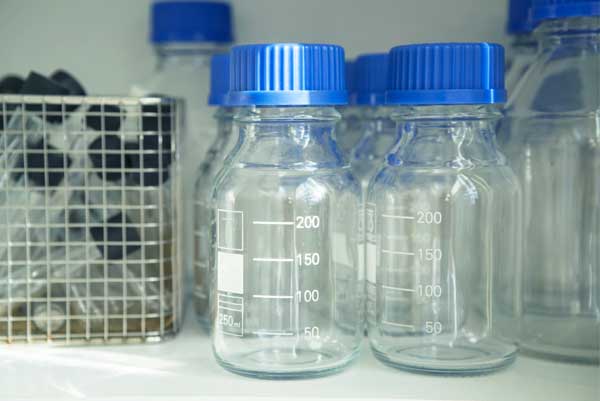
Details cleaning methods matched to specific glassware types and the chemicals they held, including soap-water soaking, acetone rinsing, and autoclaving.
Why laboratories must strictly follow Standard Operating Procedures, with unauthorized deviations, to protect result validity, safety, and customer confidence.
Explains how micropipettes enable precise microliter-to-milliliter liquid transfers and covers key handling precautions for accurate, contamination-free use.
Explains why laboratory samples need repeat testing, covering failed results, sample loss, method deviations, calibration limits, and expired standards.
Suggestions for improving cash flow in commercial testing laboratories through advance payments, dedicated collection teams, and payment-linked reporting.
Explains why laboratory incidents like spills, uncalibrated instruments, or procedural deviations should be reported before results reach customers.
Recommended entry and exit procedures for laboratory staff and visitors, covering identification, protective wear, lockers, and security checks.
Why laboratory cleanliness is a shared duty of sanitation workers, store staff, and chemists, with specific hygiene tasks for each group.
How laboratories can systematically collect, categorize, and act on customer feedback instead of letting it sit unused in files and folders.