Recommendations for switching from Gas cylinders to Laboratory gas generators
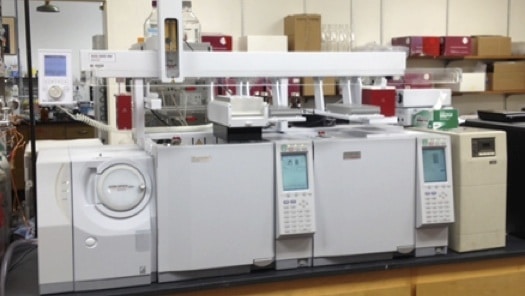
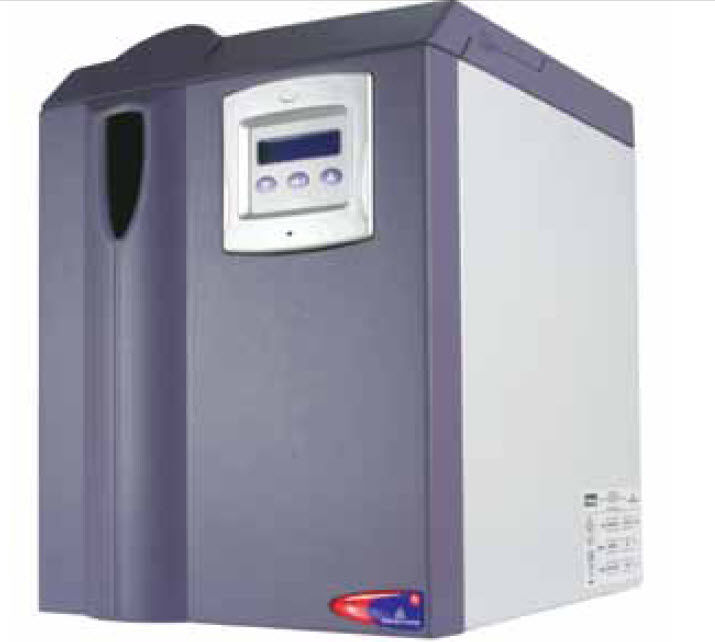
Compares laboratory gas generators to rented gas cylinders for supplying GC carrier gases, weighing cost, convenience, safety, and environmental benefits.
All articles from Lab Training, covering chromatography, spectroscopy, microbiology, and analytical method validation, in order of publication.
Compares laboratory gas generators to rented gas cylinders for supplying GC carrier gases, weighing cost, convenience, safety, and environmental benefits.
Explains why analytical method validation is needed before routine use and which parameters, such as linearity and precision, it covers.
Covers precautions for handling sophisticated analytical instruments, including installation, environmental controls, and periodic calibration.
Suggests a staged training approach for advanced analytical techniques, covering system capabilities, components, operation, maintenance, and troubleshooting.
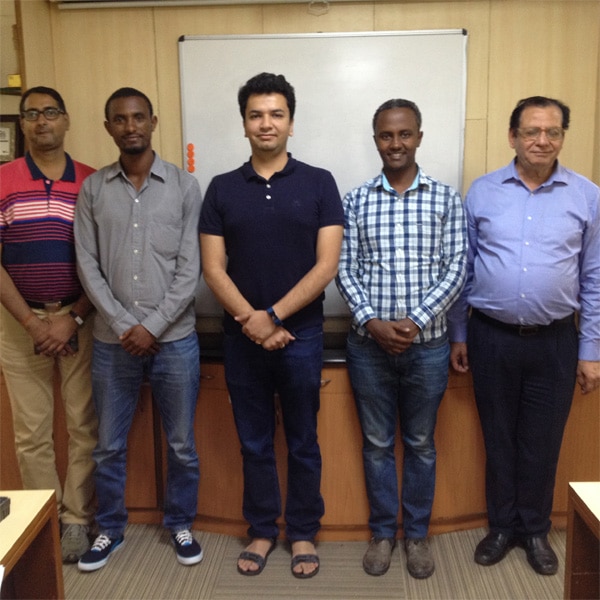
A testimonial from EFMHACA Ethiopia trainees on a warehouse management training program held at Arbro Pharmaceuticals in October 2016.
Safe handling and disposal guidelines for radioactive isotopes, cytotoxic drugs, mutagens, and teratogens in medical laboratories and hospitals.
How intermediate checking verifies a working standard's assay, loss on drying, and water content at set intervals before its expiry date.
How laboratories should procure, store, and control standard reference materials and proficiency-testing samples to safeguard the reliability of reported results.
How commercial testing laboratories manage samples from receipt and coding through analysis, handling, and confidentiality to boost productivity.
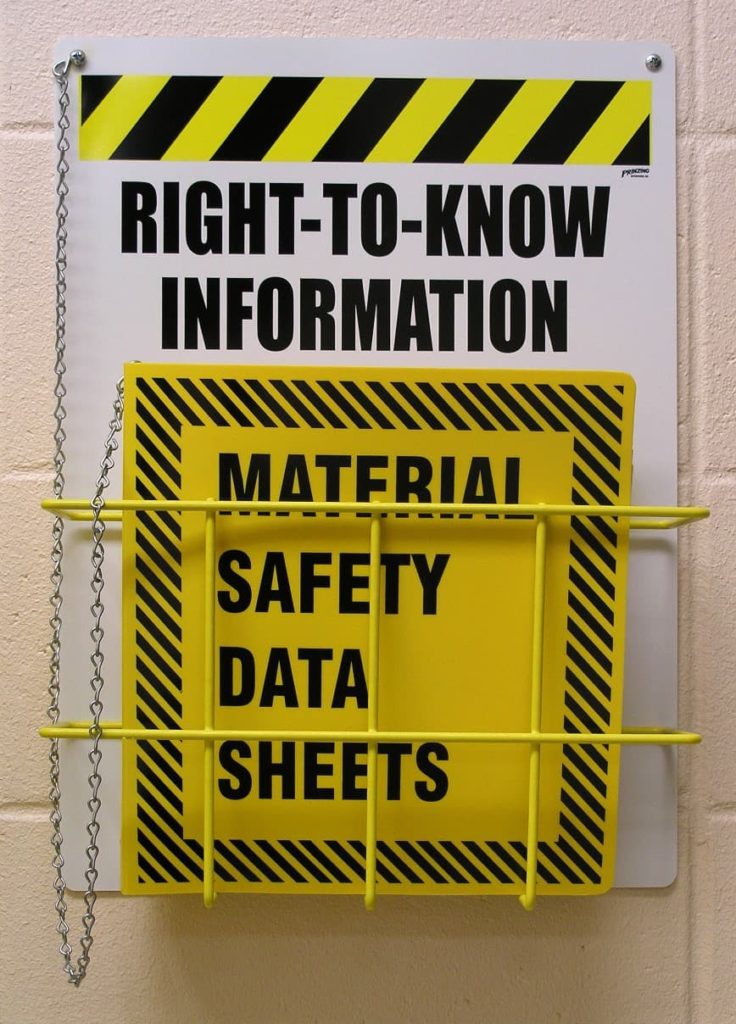
What a Material Safety Data Sheet (MSDS) covers, from chemical properties and handling to transport, fire hazards, and first aid, in labs and warehouses.
How chemical suppliers, laboratory management, warehouse in-charges, and employees share responsibility for laboratory warehouse safety.
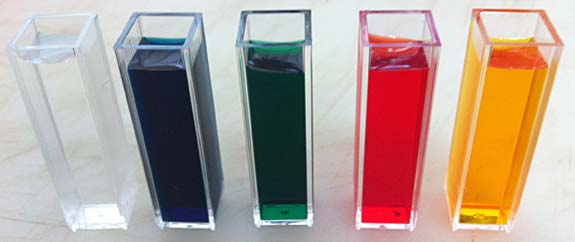
This blog explains about cuvette spectrophotometer and how to select the right cuvette material for UV-VIS absorbance studies. Read the blog to learn more.
Explains how multi-dimensional GC uses two columns, via comprehensive or heart-cutting transfer, to resolve complex mixtures a single column cannot separate.
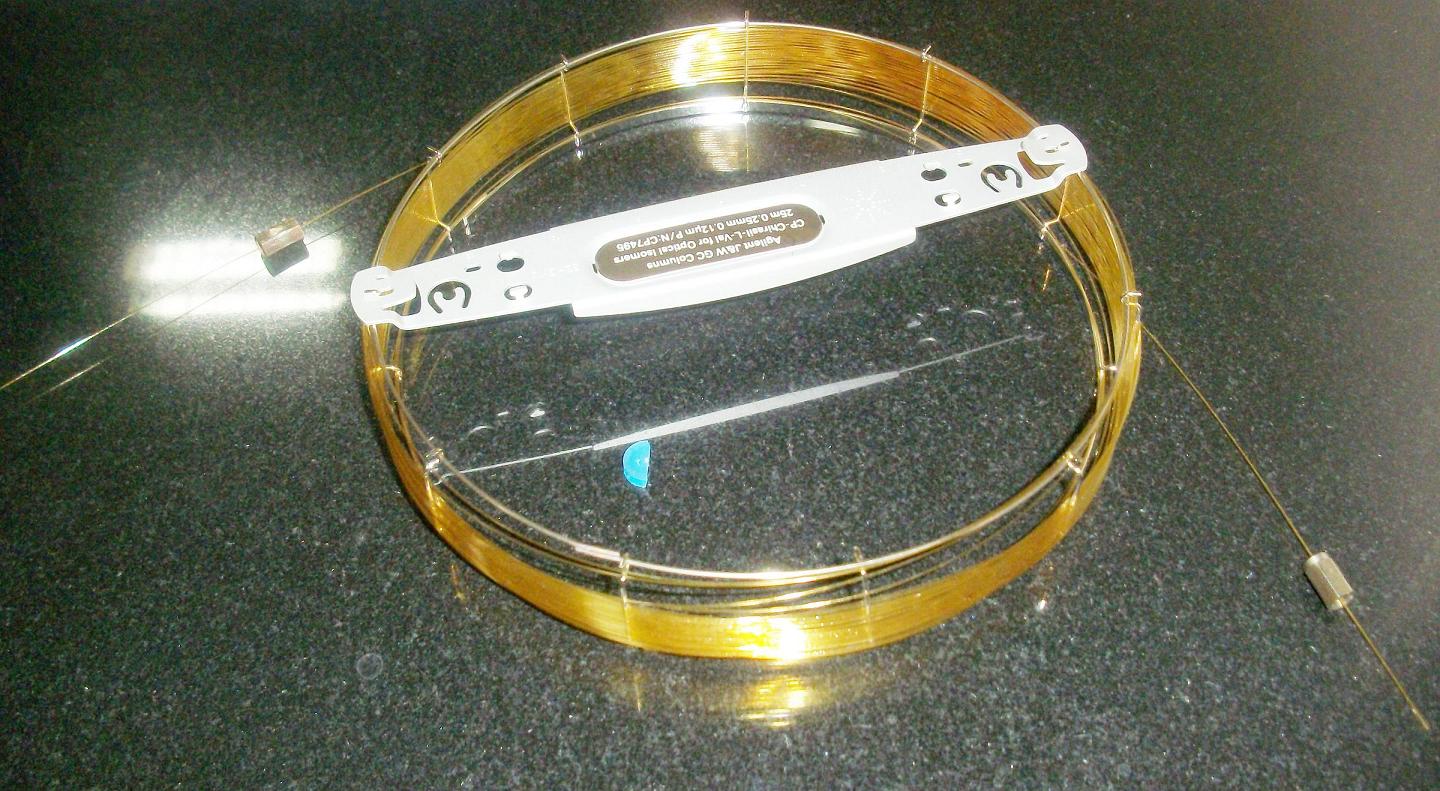
Covers the causes of capillary GC column damage, breakage, heat, oxygen exposure, chemical attack, and contamination, and how to prevent and reverse each.
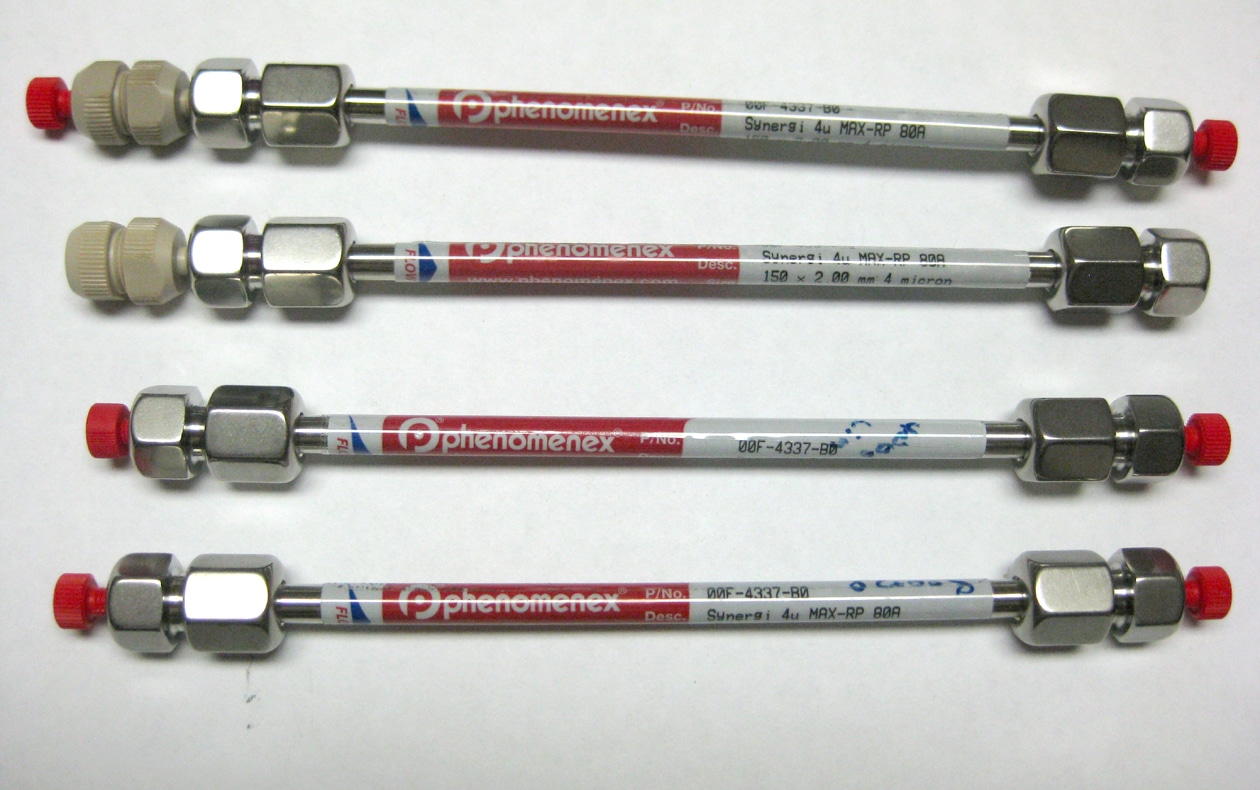
Restoring HPLC column performance reverses the peak shape and resolution decline columns develop over time, using a flushing sequence matched to the stationary phase.
Explains the difference between proficiency testing (round-robin sample analysis) and inter-laboratory comparisons, and why both matter for accreditation.
Why calibration, not cost, brand, or operator skill, is the critical factor behind reliable laboratory instrument results.
Reliable HPLC results depend on properly maintaining every instrument component, including the mobile phase, sample, column, pump, injector, and detector.
A step-by-step approach to training new laboratory entrants on advanced instrumental analysis techniques, from induction through operation and troubleshooting.
Practical tips for HPLC laboratories to save time and increase throughput through staff training, advance work planning, and preventive instrument maintenance.
Minimizing HPLC column replacement costs means extending column life through careful handling and storage, since columns are a major recurring cost in HPLC analysis.
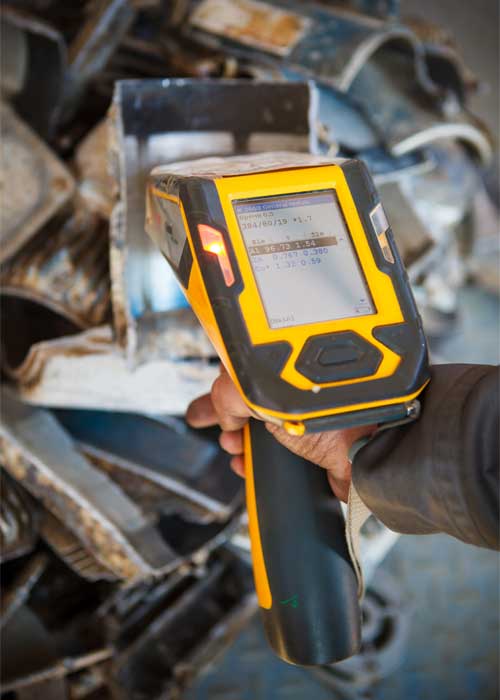
Explains how XRD and XRF differ: XRD reveals crystalline structure and phase composition, while XRF determines elemental composition of a sample.
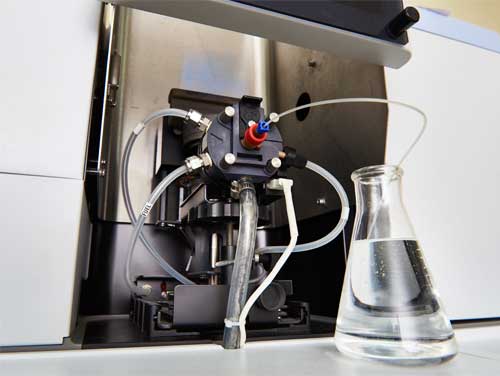
Maintenance tips for the AAS flame assembly's nebulizer, spray chamber, and burner head to extend service life and improve result reliability.