Developing the right aptitude for a career in analytical chemistry
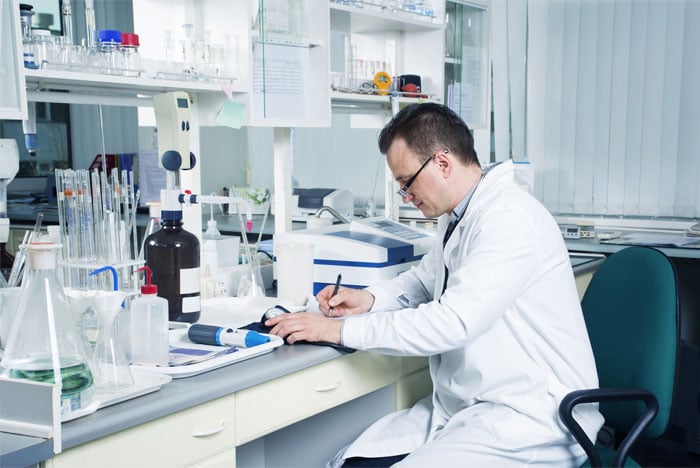
Outlines the professional qualities, beyond technical skill, that sustain a career in analytical chemistry: responsibility, honesty, and time management.
All articles from Lab Training, covering chromatography, spectroscopy, microbiology, and analytical method validation, in order of publication.
Outlines the professional qualities, beyond technical skill, that sustain a career in analytical chemistry: responsibility, honesty, and time management.
A guide to structuring a laboratory report essay, covering the title page, abstract, introduction, methods, results, discussion and conclusion sections.
A lab report is a structured account of an experiment, covering title, purpose, hypothesis, materials, procedure, results, and references in order.
A good lab report is a concise summary of an experiment that includes only relevant information, presented through tables, graphs, or text as needed.
A laboratory report essay states the hypothesis, describes the procedure, presents raw data, and evaluates findings against the hypothesis in a fixed structure.
Why traceability of laboratory standards to national or international references, required under ISO/IEC 17025:2005, underpins credible test results.
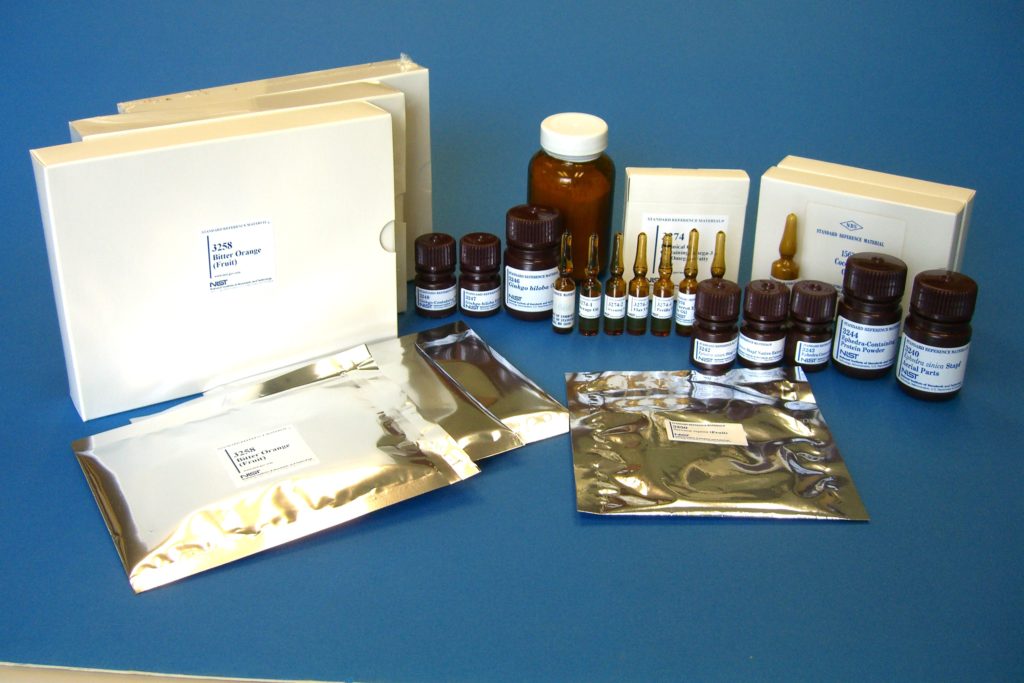
Explains the difference between primary and secondary reference standards in analytical work, plus their uses, storage, and handling precautions.
Traces analytical chemistry's evolution from classical gravimetric and titration methods to modern instrumental techniques like chromatography and LC-MS.
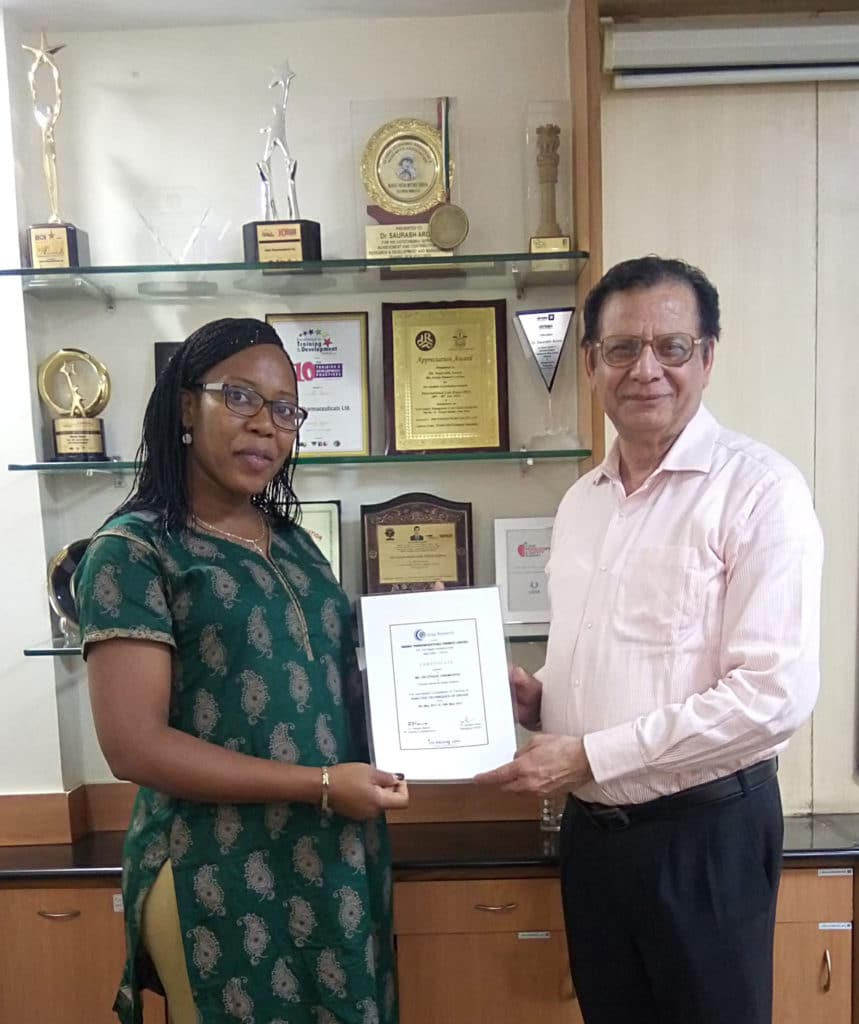
Recaps a 10-day lab-based training program for a Rwanda Standards Board trainee covering HPLC, GC-HS, HPTLC, UV-Vis, FT-IR, AAS, and tablet testing.
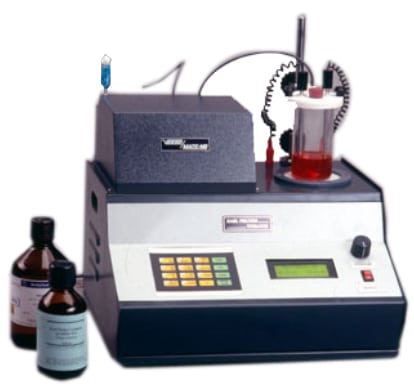
Details considerations for moisture determination by Karl Fischer titration, covering reaction cell prep, sample homogeneity, buffering, and calibration.
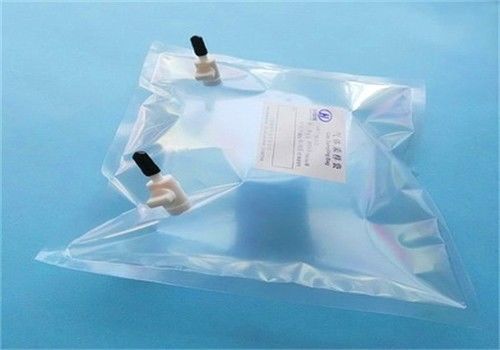
Explains spot, continuous, and grab sampling methods, including evacuated bulbs and gas-tight bags, for collecting gas samples for GC analysis.
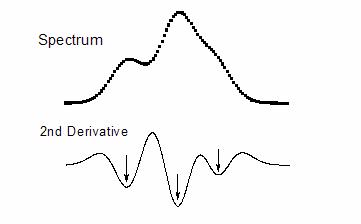
How to correct physical and chemical interferences in UV-visible spectroscopy using isoabsorbance measurement, multicomponent analysis, and derivative methods.
Examines why automated analytical instruments cannot run continuously without interruption, covering safety shutdowns, recalibration needs, and scheduled maintenance.
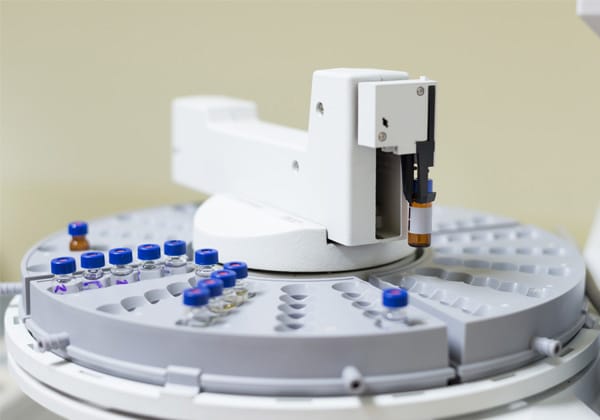
Compares manual syringe injection with autosamplers and gas sampling valves in gas chromatography, highlighting reproducibility and unattended operation.
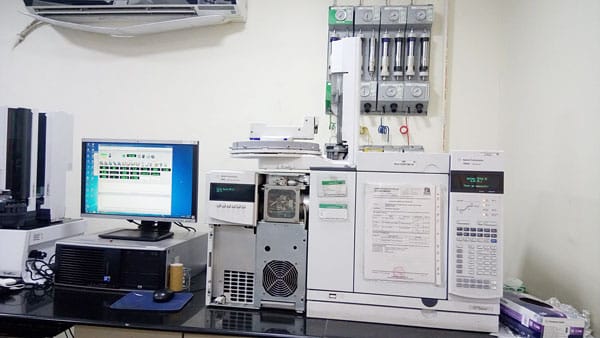
The focus of the present article is on differences between GC and HPLC techniques so as to help you decide the appropriate technique for the particular analysis in hand.
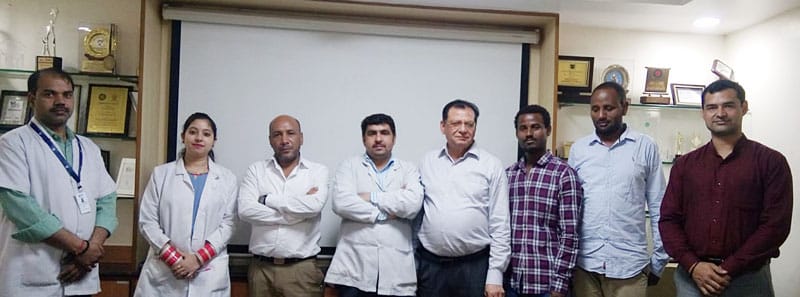
A photo recap of an April 2017 training program on method validation, spectroscopy, HPLC, GC-MS, LC-MS and AAS for laboratory chemists from EFMHACA, Ethiopia.
A photo recap of a March 2017 basic analytical techniques and microbiology testing training program held in New Delhi for trainees from EFMHACA, Ethiopia.
Outlines measures for preventing harm from laboratory chemicals, covering glove and eyewear selection, fume hood use, and inhalation/ingestion precautions.
Details the four routes, skin or eye contact, inhalation, oral ingestion, and injection, through which laboratory chemicals can enter the body and cause harm.
Explains the flashpoint, auto-ignition temperature, and explosive limits that determine when laboratory solvents can ignite or explode.
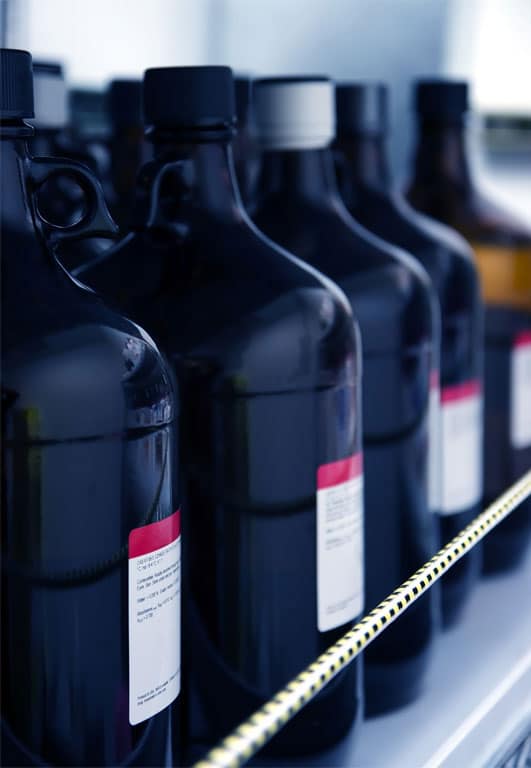
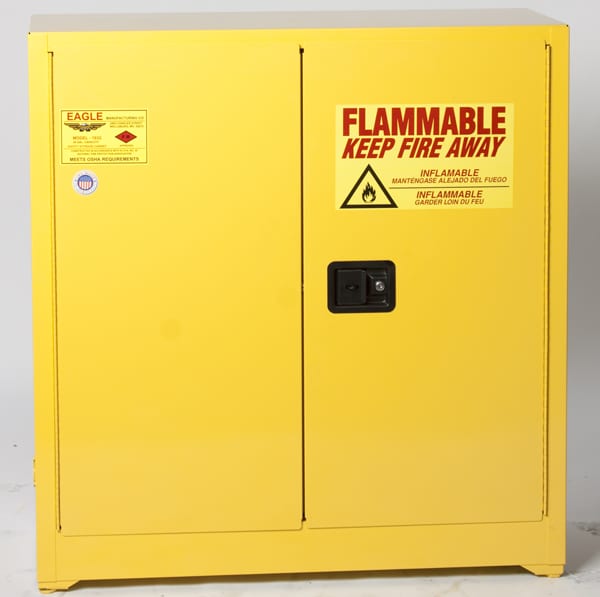
Practical tips for preventing laboratory fires, covering MSDS awareness, safe storage of flammables, fume hood use, and electrical short-circuit checks.
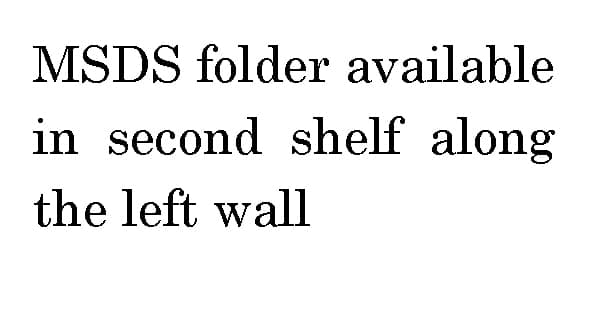
Why Material Safety Data Sheets need active control through staff training, round-the-clock access, periodic review, and regular audits to stay useful.
Safety guidelines for laboratory staff working alone, covering pre-approved procedures, check-in/check-out logs, emergency contacts, and exit awareness.
Lists pre-departure safety checks for laboratories, including gas lines, heating devices, reagent bottles, spills, and the exit register.