
Blog
All articles from Lab Training, covering chromatography, spectroscopy, microbiology, and analytical method validation, in order of publication.
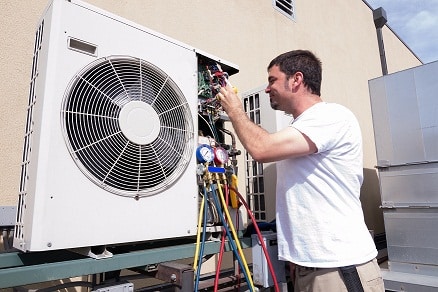
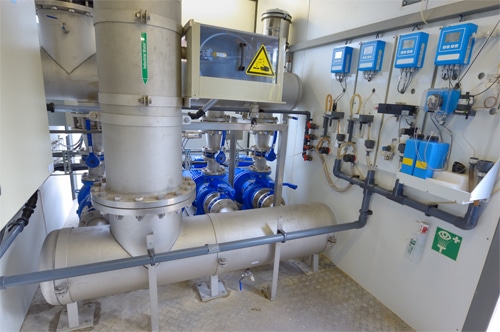
How to prolong the useful life of Ion Exchange Resin Beds?
How to prolong ion exchange resin bed life by monitoring conductivity and pH and controlling fouling from sulphates, iron, organics, bacteria, and chlorine.
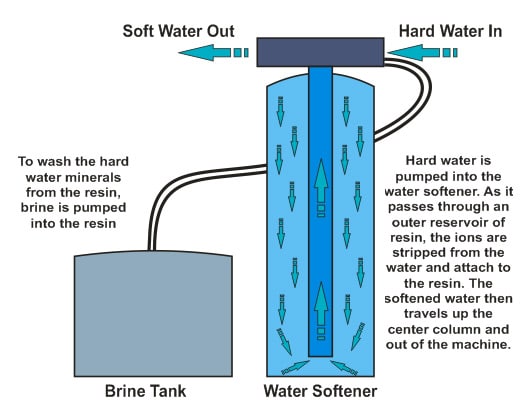
Common Applications of Ion Exchange Resins
Common applications of ion exchange resins in water softening, water purification, metal purification, pharmaceuticals, and food and beverage processing.

Double Beam Advantages Over Single Beam Spectrophotometers
Explains how double beam spectrophotometers correct for power fluctuations, stray light, and solvent absorbance errors that single beam designs cannot.
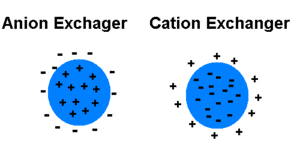
Classification of Ion Exchange Resins
How ion exchange resins are classified into strong and weak acid cation exchangers and strong and weak base anion exchangers by their functional groups.
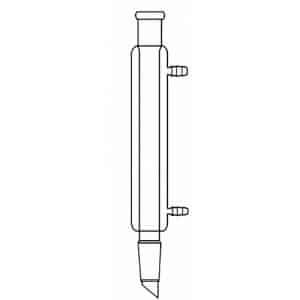
What Is the Purpose of Distillation and Reflux Condenser?
Ever wondered what is the purpose of a reflux condenser & distillation? This article has the answers to all your questions.
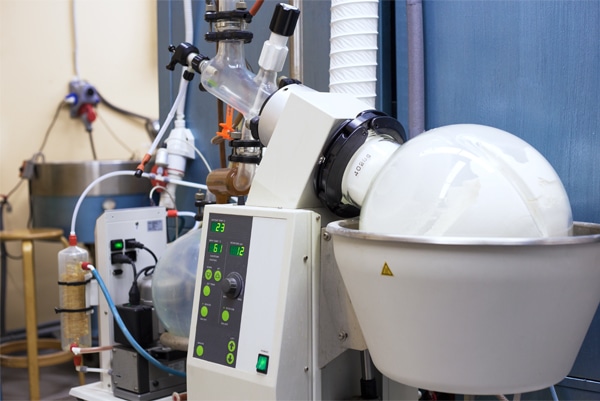
How to select the optimum Laboratory Distillation Technique?
A guide to choosing the right lab distillation technique, simple, fractional, steam, vacuum, or azeotropic, based on boiling points and sample properties.
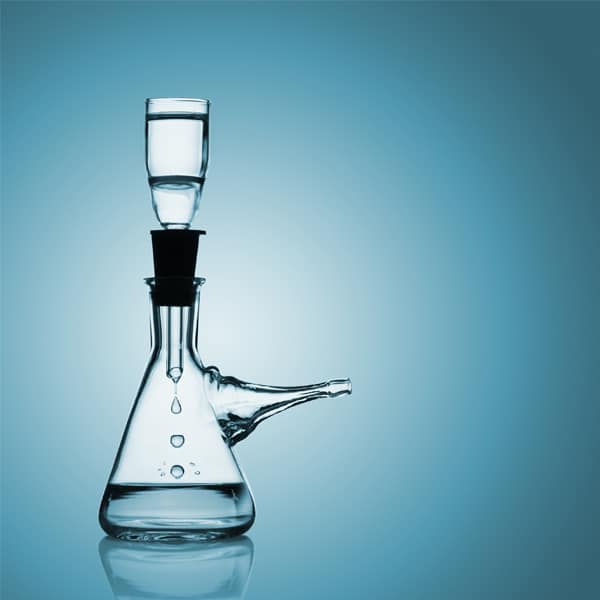
Separation Processes of Significance in Laboratories
An overview of key lab separation processes, including filtration, centrifuging, distillation, sublimation, ion exchange, extraction, and chromatography.
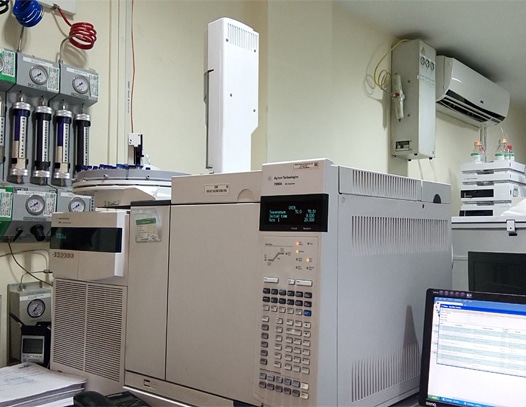
Similarities and Dissimilarities between GC/MS and LC/MS
Compares GC/MS and LC/MS on cost, mobile phase, compound compatibility, vacuum requirements, and spectral libraries to help choose the right technique.
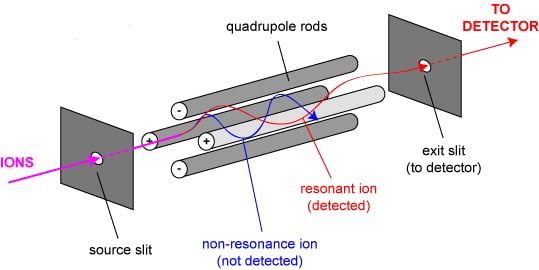
How LC – MS/MS Scores over LC – MS?
Why LC-MS/MS outperforms single quadrupole LC-MS, offering higher sensitivity, selectivity, and linearity through triple quadrupole mass analysis.
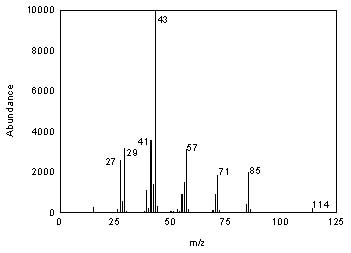
Additional benefits offered by Mass sensitive detectors over other Liquid Chromatography detectors
HPLC is well established as an analytical technique. Why is HPLC the most popular technique in analytical laboratories today? highlights the reasons that justify this claim.

How to Prevent Laboratory Instrument Breakdowns?
Guidelines for preventing lab instrument breakdowns through environmental control, correct installation, maintenance scheduling, and stable power supply.
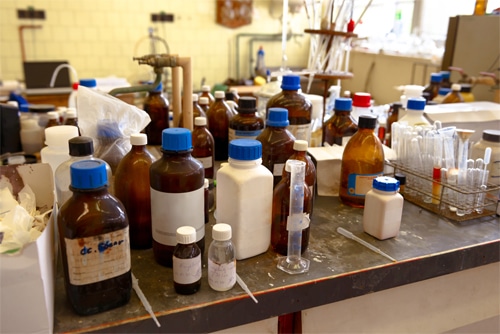
How to Prevent Laboratory Glassware Breakages?
Lists practical guidelines for preventing laboratory glassware breakage, covering overlooked safety procedures, accidental damage, and careless handling and storage.

How To Prevent Laboratory Spills?
Practical measures for preventing liquid and solid chemical spills in the laboratory through proper storage, handling, and transfer practices.
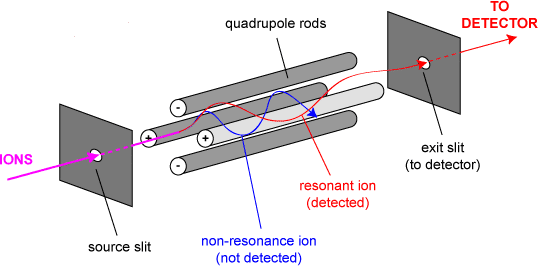
Mass Discrimination and Analysis in Mass Spectroscopy
An overview of mass analyzers, quadrupole, magnetic sector, time-of-flight, and ion trap, used to separate ionized fragments by mass-to-charge ratio.
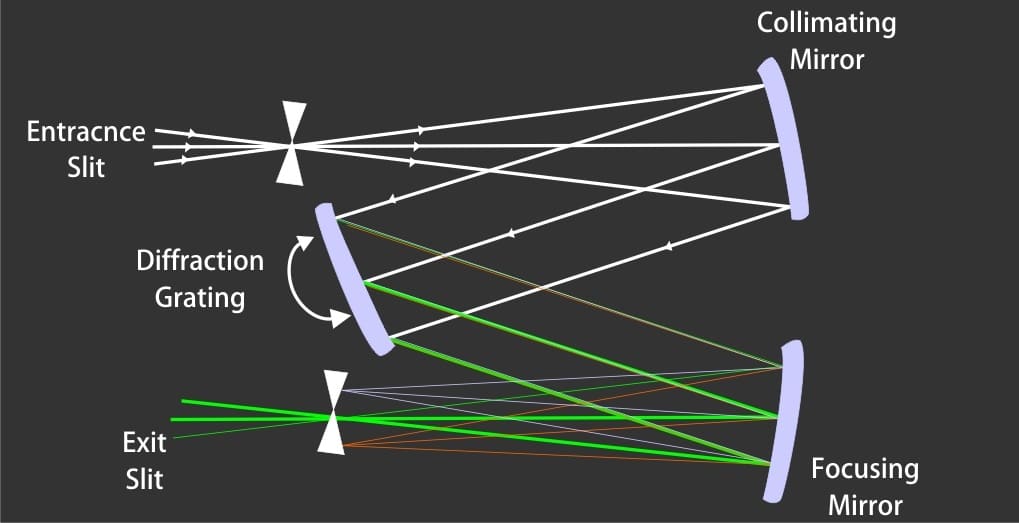
What is the difference between GC – MS Full Scan and Selected Ion Monitoring?
Explains the difference between GC-MS full scan and selected ion monitoring, covering their roles in qualitative screening versus quantitative analysis.
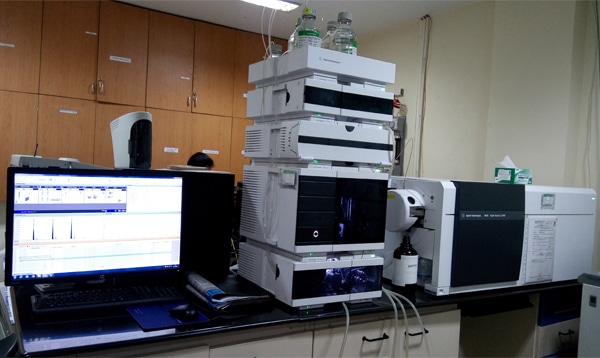
Potential Scope of Hyphenated Mass Spectroscopic Techniques
Explains how hyphenated GC-MS and LC-MS techniques couple chromatography to mass spectrometry for analyzing drugs, poisons, pesticides, and forensic samples.
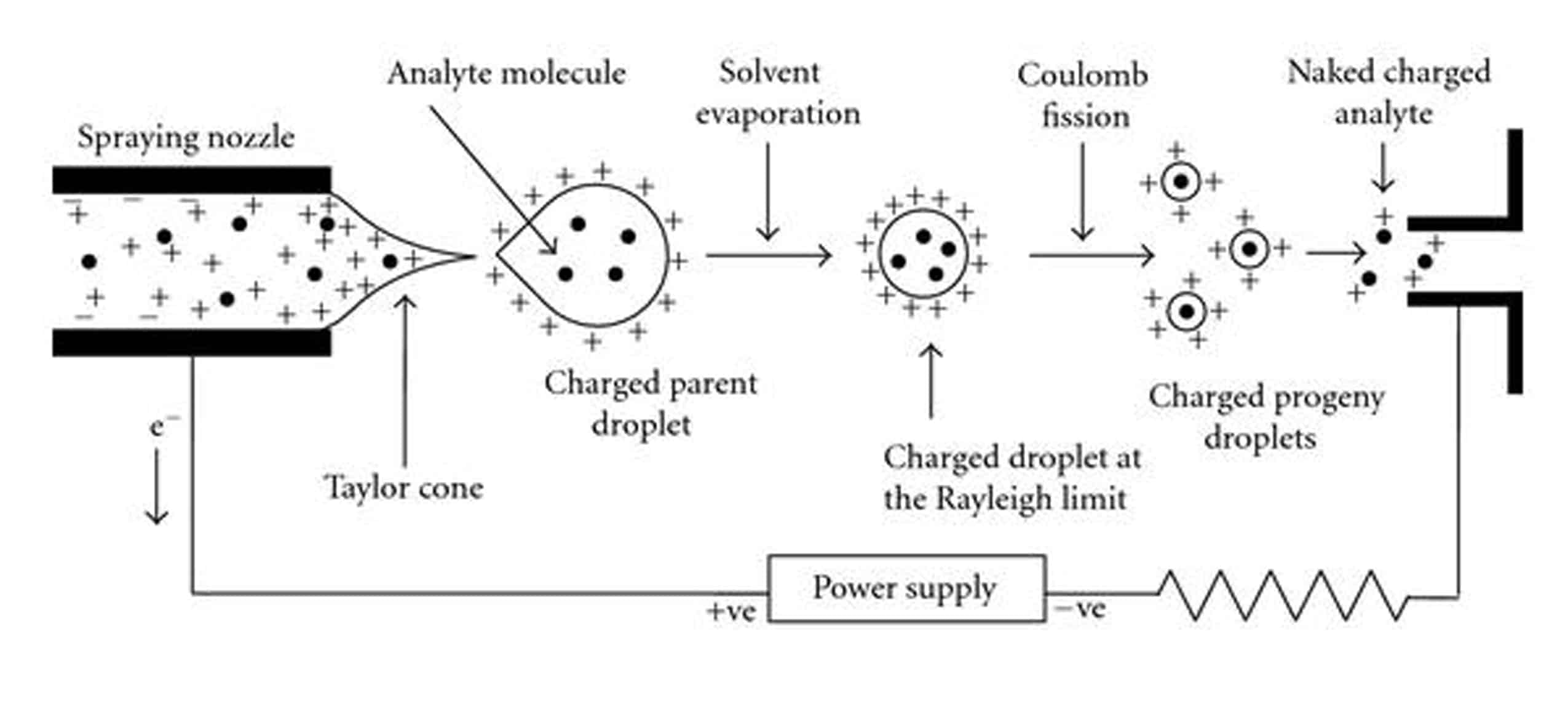
Popular Ionization Techniques in Mass Spectroscopy
Overview of mass spectroscopy ionization techniques, electron impact, chemical ionization, electrospray, APCI, APPI, and MALDI, and how to choose the right one.
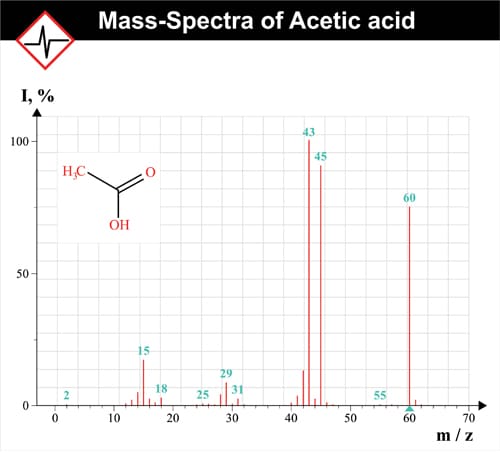
Essentials of Mass Spectroscopy
Mass spectroscopy is distinctly different from other spectroscopic techniques. It has found large number of applications in several areas of basic research and product development covering pharmaceutical etc.,
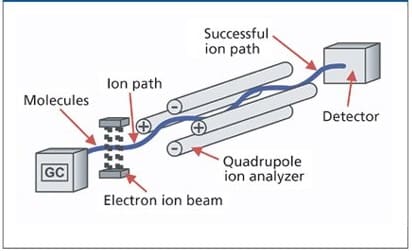
How is Mass Spectroscopy different from other Spectroscopic Techniques?
How mass spectroscopy differs from UV-Vis, FT-IR, fluorescence, and atomic absorption spectroscopy by identifying molecules via mass-to-charge ratios.
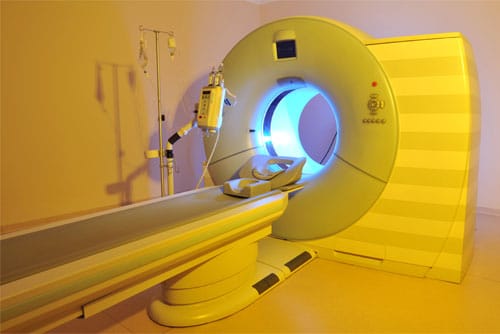
Magnetic Resonance Imaging – a boon for medical diagnosis
How Magnetic Resonance Imaging (MRI), derived from NMR, uses magnetic fields and radio waves instead of ionizing radiation to image internal body tissue.
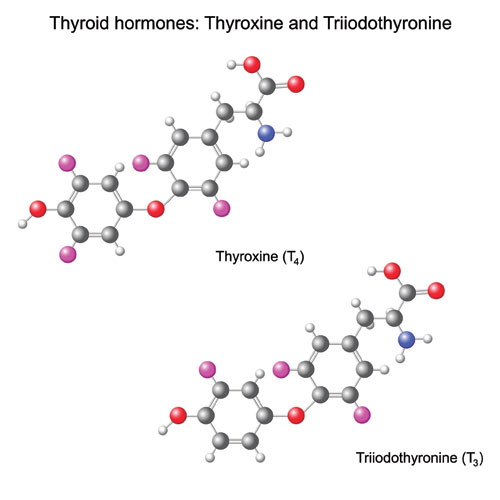
Scope of NMR Applications in Basic Research and Industry
Surveys NMR spectroscopy's research uses, such as structure elucidation and protein folding, and its industrial applications in pharma, foods, and polymers.
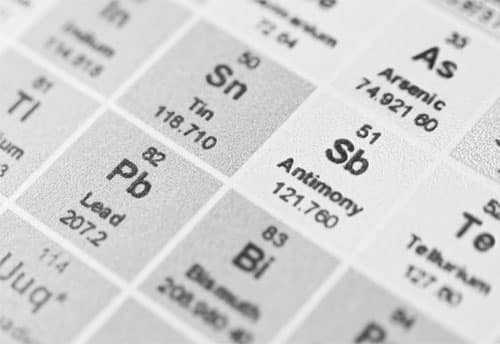
Vapour Generation – An Alternative Technique in Atomic Absorption Spectroscopy
In this article, we discussed about Vapour Generation – an alternative technique in Atomic Absorption Spectroscopy. Advantage of the technique is enhanced sensitivity.
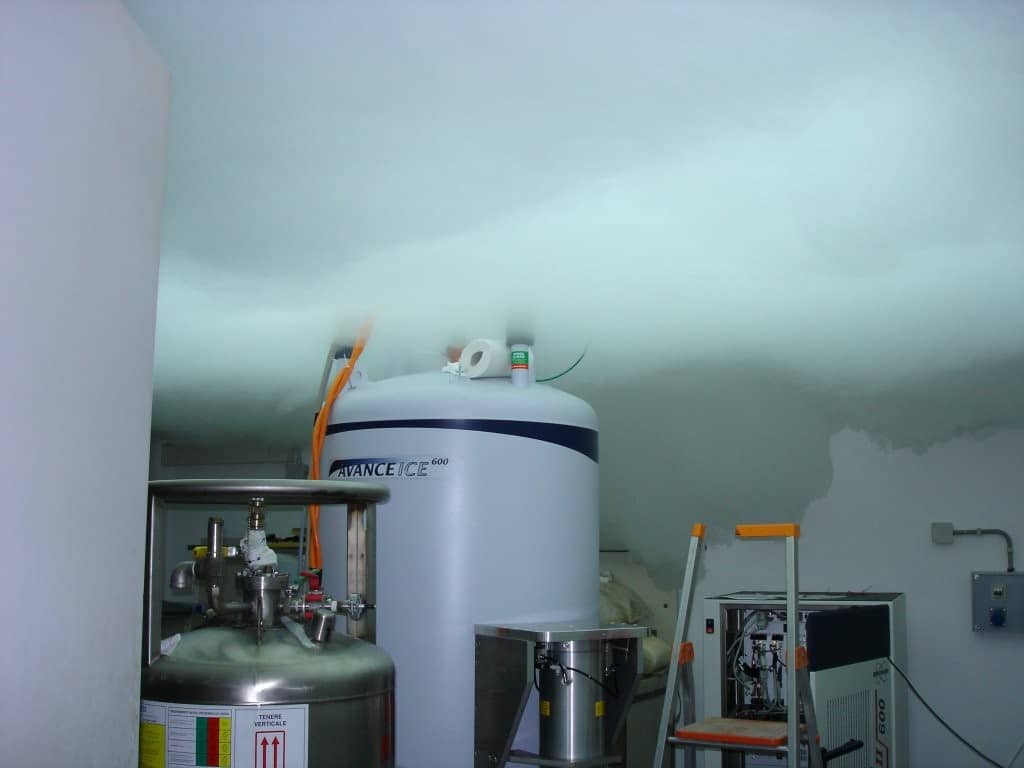
Safety in the NMR laboratory
Covers NMR laboratory hazards from strong magnetic fields, cryogenic liquids, and magnet quenching, plus safe handling practices for NMR tubes and samples.