
Useful Tips on Sample Handling for NMR Studies
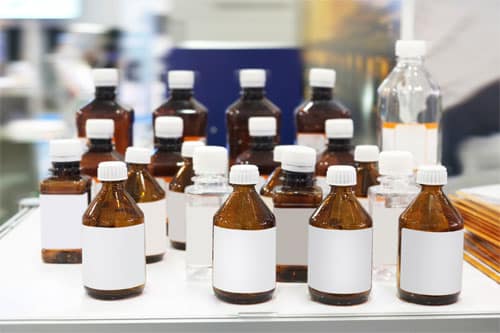
Practical tips for handling NMR samples, covering sample size, tube filling, cleanliness, labeling, degassing, and solvent choice to ensure accurate spectra.
All articles from Lab Training, covering chromatography, spectroscopy, microbiology, and analytical method validation, in order of publication.
Practical tips for handling NMR samples, covering sample size, tube filling, cleanliness, labeling, degassing, and solvent choice to ensure accurate spectra.
Are you confused about choosing an NMR solvent based on its characteristics? Then this article is going to answer all your queries related to NMR solvent peaks, common NMR solvents
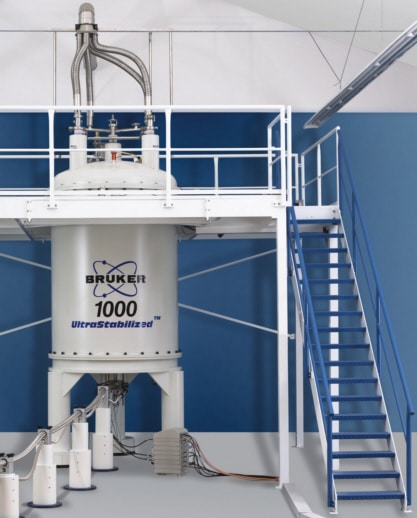
Why superconducting magnets, offering high field strength, stability, and low power use, have replaced permanent magnets in modern NMR spectrometers.
How electronegativity, anisotropy, and hydrogen bonding influence the chemical shifts of NMR-active nuclei relative to the tetramethylsilane reference standard.
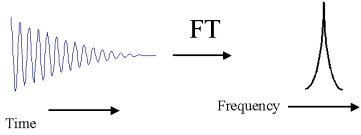
Observations have been made on Continuous wave (CW) and FT – NMR techniques. The benefits of FT – NMR over CW – NMR are discussed in the present article.
Why nuclear spin, isotopic abundance, and relative sensitivity determine which atomic nuclei, such as 1H, 13C, 19F, and 31P, are useful for NMR spectroscopy.
How NMR and UV-visible spectroscopy differ in principle, sample handling, and speed, one measuring nuclear spin transitions, the other electronic transitions.
Why laboratory accidents happen, from overconfidence and ignorance to work stress and poor workbench planning, and why prevention must be a priority.
Identifies sources of lab sample contamination, environment, containers, tools, cross-contamination, reagents, analysts, visitors, with prevention steps for each.
How laboratories should regulate visitor entry through prior appointments, credential checks, escorted access, and visitor badges for security.
Why laboratory management review meetings, required under ISO 17025 clause 4.15, assess quality performance and plan improvements to sustain accreditation.
An interactive calculator that applies the C1V1 = C2V2 formula to quickly find dilution volumes for preparing standard solutions in volumetric analysis.
Key factors to weigh when expanding laboratory operations, comparing growth within existing space against setting up a new facility elsewhere.
A checklist-based guide to laboratory safety audits, covering training, housekeeping, fire and electrical safety, gas storage, and first-aid readiness.
Explains how skilled manpower, modern analytical facilities, advance work planning, and efficient laboratory layout combine to improve lab workflow and throughput.
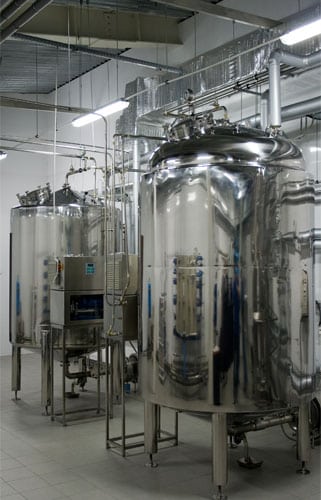
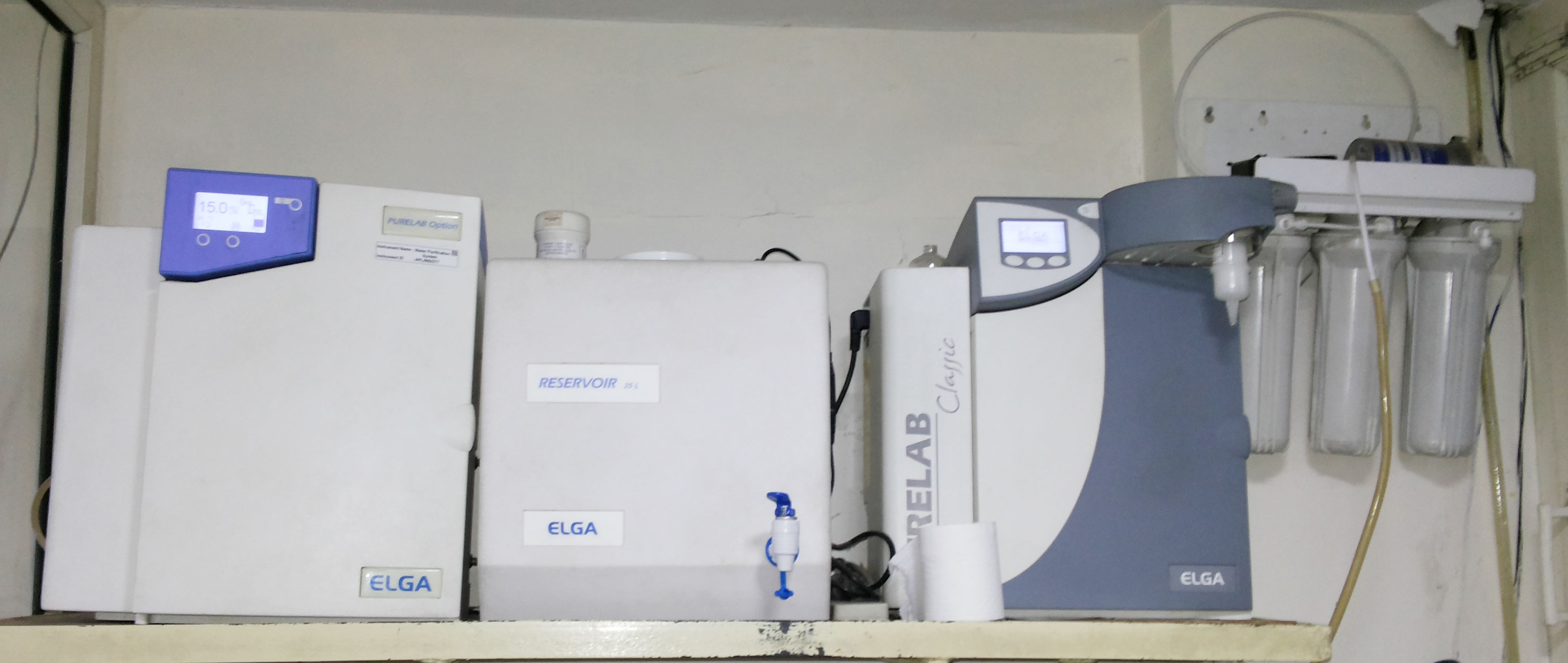
Water for laboratory use has been divided into different grades for different laboratory applications
A laboratory uses large quantities of water for numerous activities. Water grades for laboratory use discussed the different grades of water which are commonly used in the laboratory.
Water grades for laboratory use have been discussed earlier.ASTM 1193 Laboratory grade specifications have been laid down for TypesI, II and III
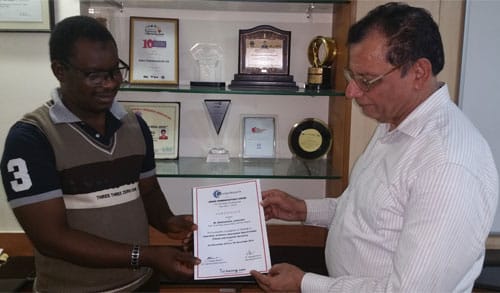
A fully laboratory oriented training was conducted in our Trace metals analysis section for Mr Babangida Jungudo, Nigeria.
The universal solvent character unfortunately makes water susceptible to contamination from different sources and different purification practices need to be adopted to achieve the required purity levels for different laboratory requirements.
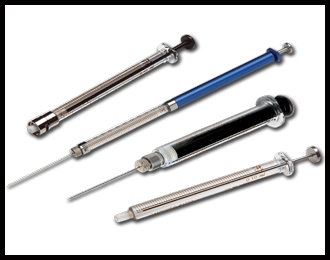
The accuracy and precision of your results will largely depend on reproducibility of injection volumes. Read more about Injection Practices in Gas Chromatography.
Gas chromatography is an established and popular technique used for separation of components of a mixture of gases or liquids and help quantify them.
A chromatographic detector serves to identify and quantify the sample components as they reach it in a sequence after separation in the chromatographic column.
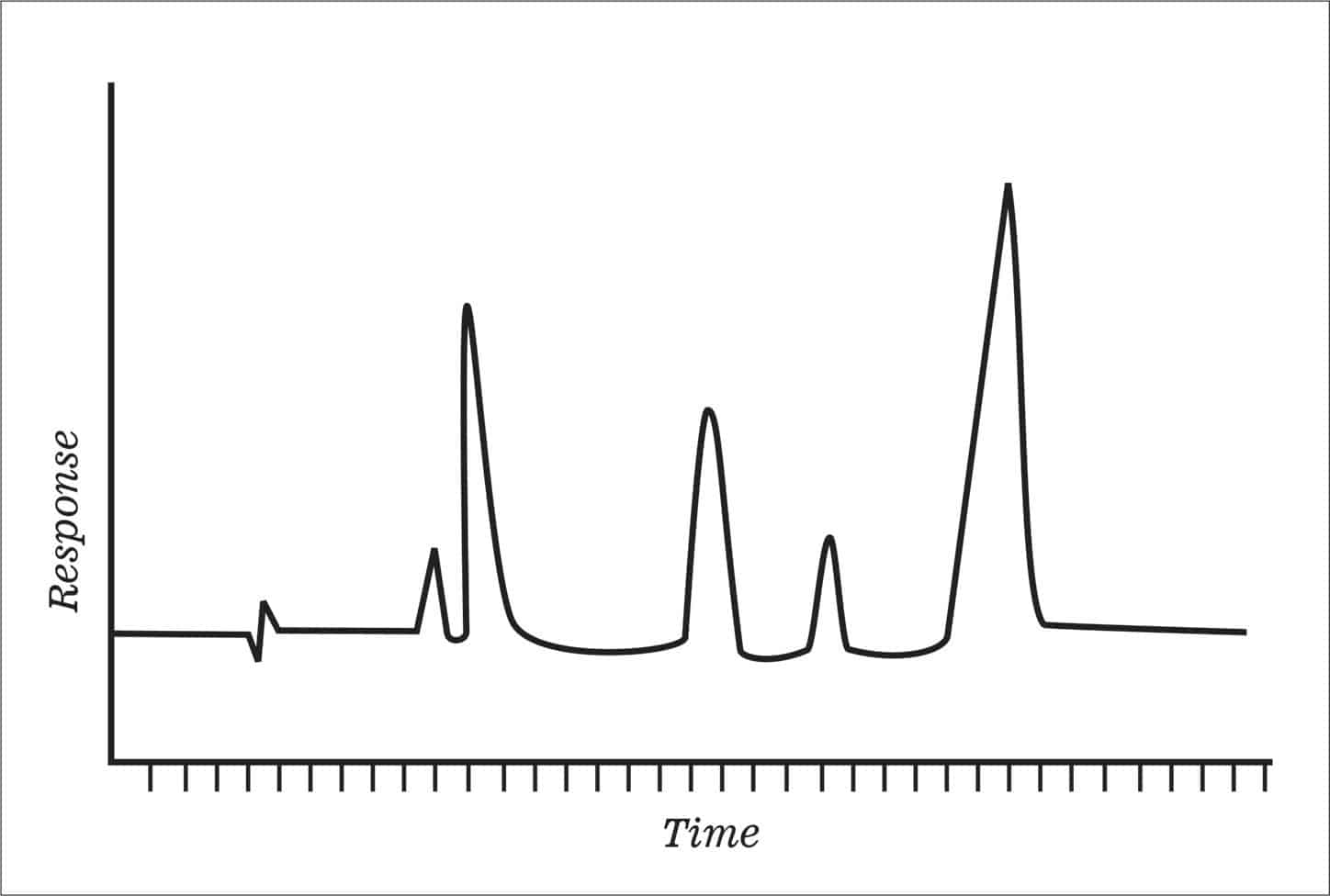
A typical chromatogram comprises of several peaks varying in size. The height of each peak is in proportion to the amount of the particular component present in the sample mixture injected into the chromatograph.