Atomic Absorption spectroscopy
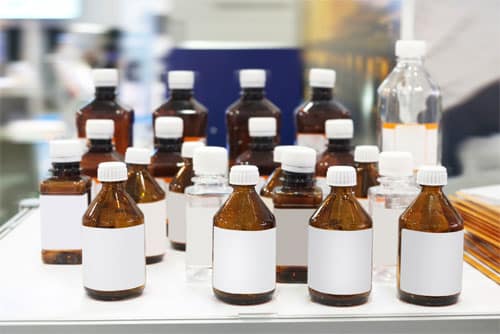
Water is the safest solvent that you can be use in Atomic Absorption Spectroscopy but many applications require use of organic solvents.
All articles from Lab Training, covering chromatography, spectroscopy, microbiology, and analytical method validation, in order of publication.
Water is the safest solvent that you can be use in Atomic Absorption Spectroscopy but many applications require use of organic solvents.
Water is a universal solvent and is used in a majority of Atomic Absorption Spectroscopy applications
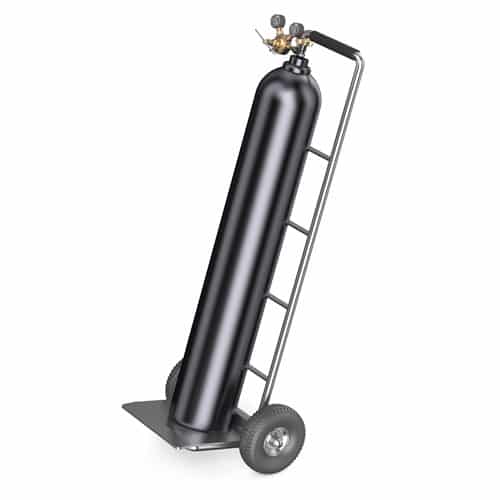
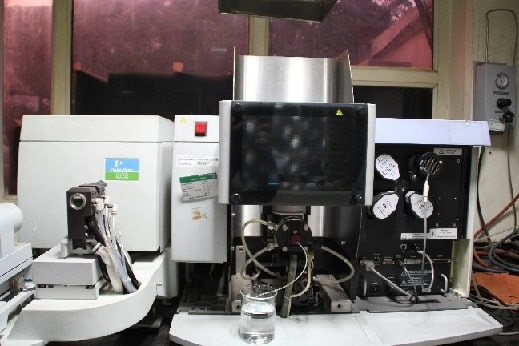
Atomic Absorption Spectroscopy requires two main gases, namely, air as oxidant and a fuel gas such as acetylene or nitrous oxide.
AAS Spectroscopy provides cost-effective analysis of trace metals in a vast range of samples both natural and man-made such as geological samples, foods, plants, agricultural samples, soils, rocks, biological specimens, manufacturing streams, industrial effluents, pharmaceuticals and drinking water.
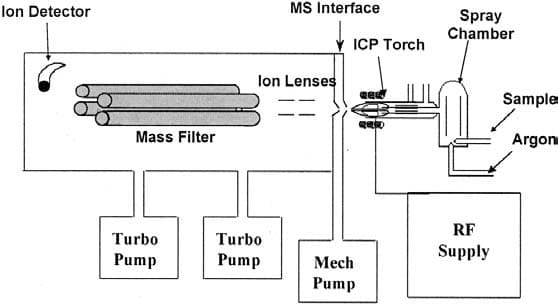
ICP – MS provides trace element concentrations in ppb and sub- ppb level concentrations. The analysis normally requires dissolution of solid sample in solution prior to analysis.
ICP-MS is a well established technique capable of giving highly reliable results day after day for years together.
ICP-MS is a versatile and established technique for trace metal analysis for elements ranging from Li to Uranium. Read more about ICP-MS interferences and removal.
The ICP-MS generates high intensity UV radiation. A safety interlock automatically shuts off the plasma source if the sample compartment is opened during operation.
The present article will help you decide between ICP-OES and ICP-MS based on your budget and analysis requirements.
This has opened up new avenues and applications of sophisticated techniques such as Graphite furnace AAS,ICP-OES, ICP-MS, Nuclear activation analysis , X-Ray Fluorescence and Isotopic Dilution Mass Spectroscopy.
The Certificate course on Atomic Absorption Spectroscopy is designed keeping the requirements of the working chemist in mind.
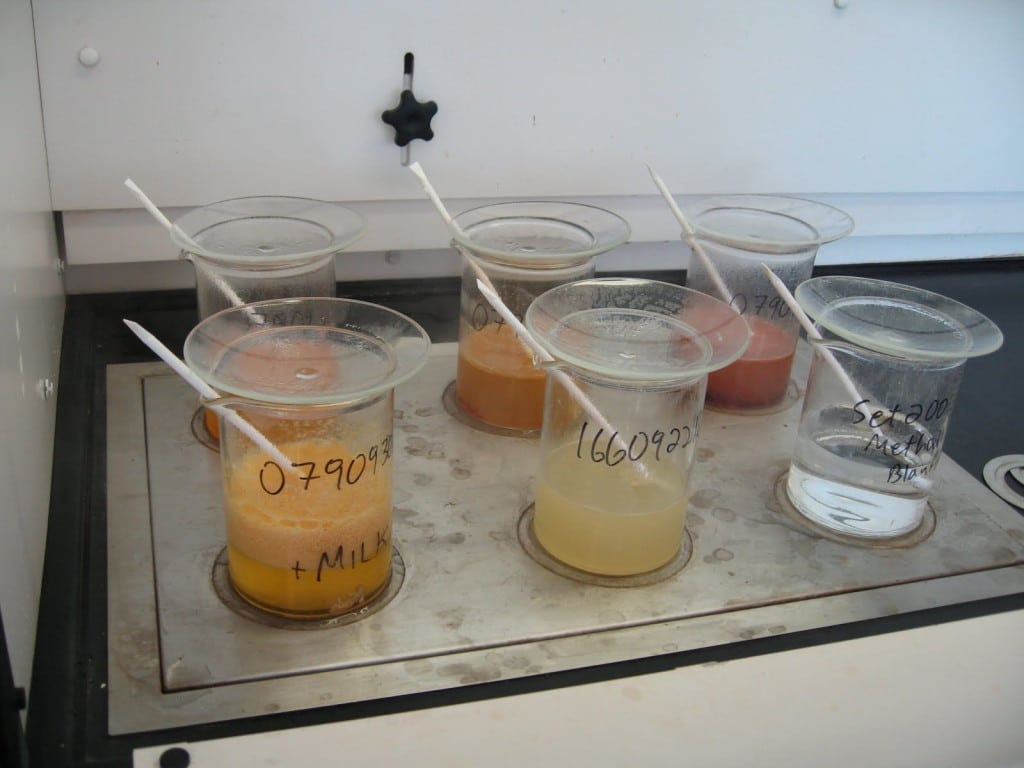
Sample dissolution has been a challenge for the analytical chemist. Dissolution of samples such as minerals, ores, rocks, soils, ceramics, etc.
Trace metal analysis by AAS or ICP techniques requires introduction of sample into the system in the liquid form.
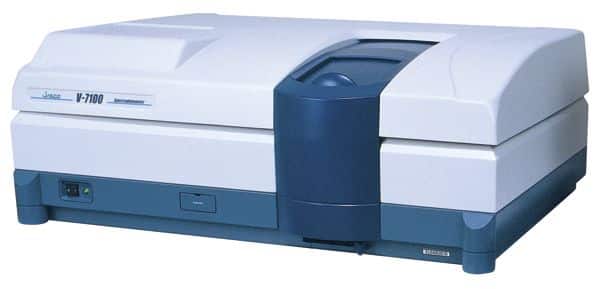
A UV – Visible spectrophotometer can be seen in almost any laboratory be it a college lab, research lab or an industrial laboratory.
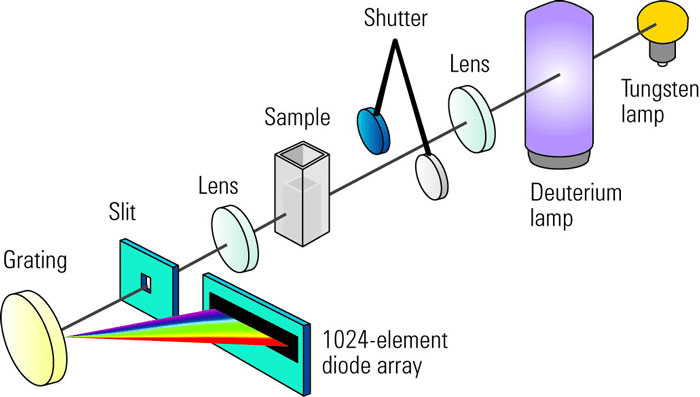
A Photodiode Array Detector is a microprocessor controlled multi-channel detector that permits simultaneous access to spectral data for several wavelengths simultaneously.
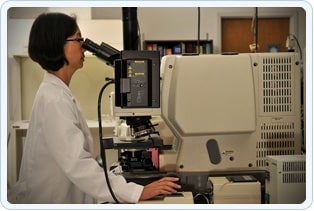
FT-IR microscopy proved to be a very versatile tool for compositional characterization of materials.
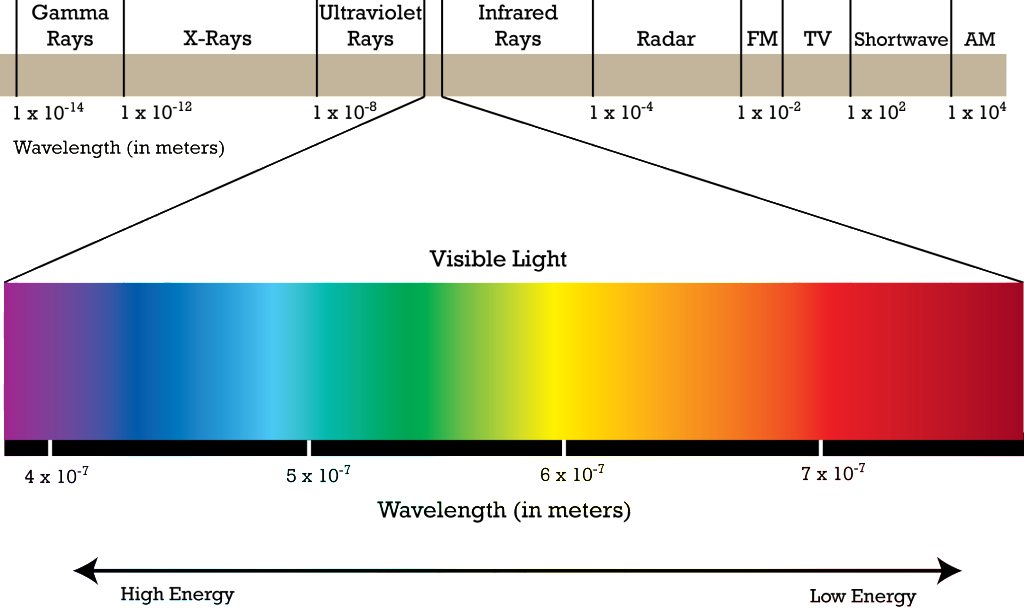
Electromagnetic radiation is radiant energy that is transmitted through space at the speed of light. Humans can experience it in the form of light and heat over a very small fraction of the almost infinite range of its wavelength range.
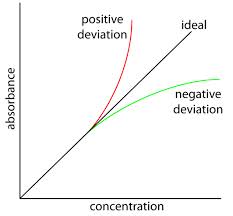
Beer–Lambert’s Absorbance law is a universally accepted relationship which helps calculation of concentration of an absorbing species from measured absorbance values.
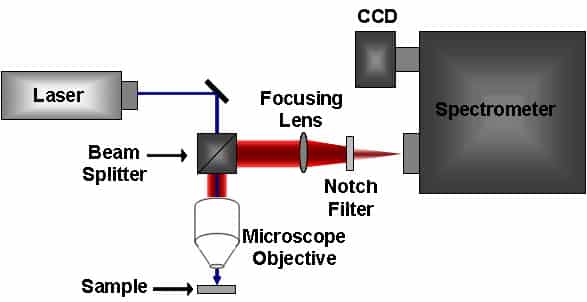
Raman spectroscopy continues to expand its range of applications to diverse areas. In this article, scope of applications in other areas are briefly explored.
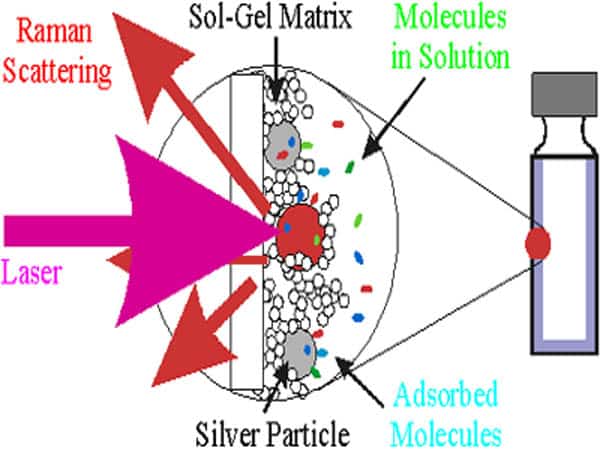
The present article explores some of the approaches adopted to enhance Raman spectral lines in Raman Spectroscopy.
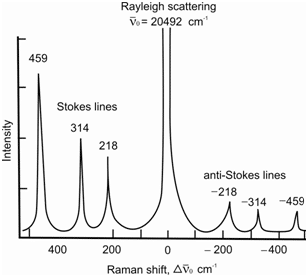
In Raman spectroscopy such scattered light is of no significance. It is only the 0.001% of incident light undergoing inelastic collisions that results in Stokes and anti-Stokes lines that are Raman active.
Raman and IR spectroscopy are complementary techniques used for fingerprinting of molecules. Find out the difference between Raman and IR Spectroscopy in the article.
Raman spectroscopy offers several distinct benefits and can be used to study all types of samples ranging from solids, liquids, powders, gels, & slurries.
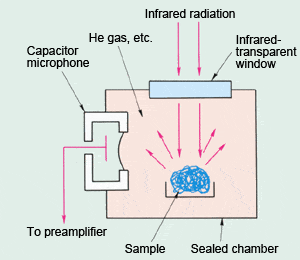
Photoacoustic spectroscopy makes your analysis a lot simpler than other conventional spectroscopic techniques and offers potential saving of your valuable laboratory time.