UV-VIS Spectrophotometric detectors
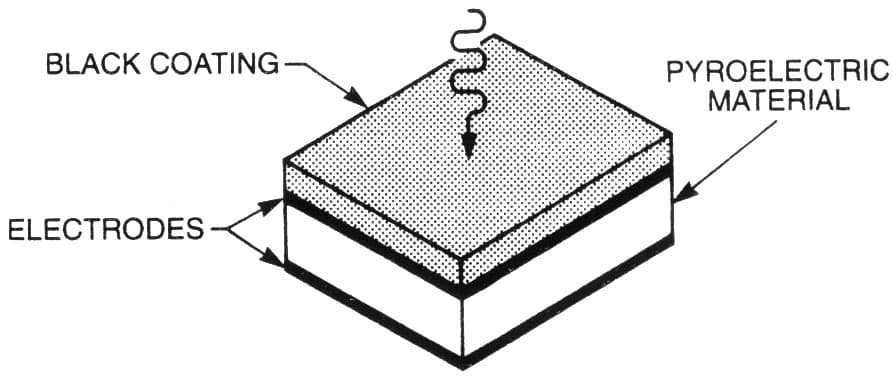
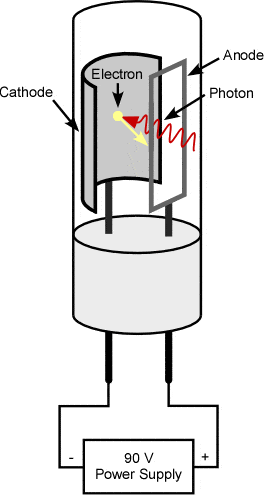
A detector converts light into a proportional electrical signal which in turn provides the response of the spectrophotometer.
All articles from Lab Training, covering chromatography, spectroscopy, microbiology, and analytical method validation, in order of publication.
A detector converts light into a proportional electrical signal which in turn provides the response of the spectrophotometer.
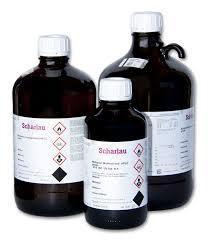
Though it finds use in either pure form or in combination with acids, bases or specific reagents in spectroscopic studies it cannot be termed as a universal spectroscopic solvent as it shows absorption bands in NIR region.
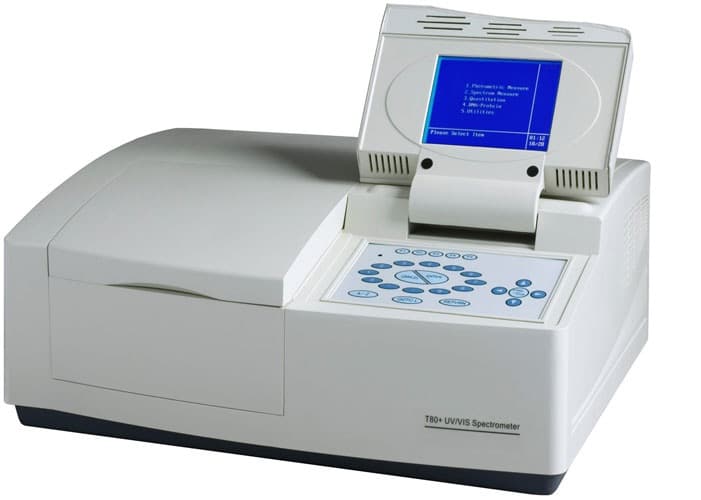
As its name suggests a spectrophotometer is a combination of a spectrometer and a photometer as its name suggests. It makes use of a sophisticated wavelength isolation device called a monochromator.
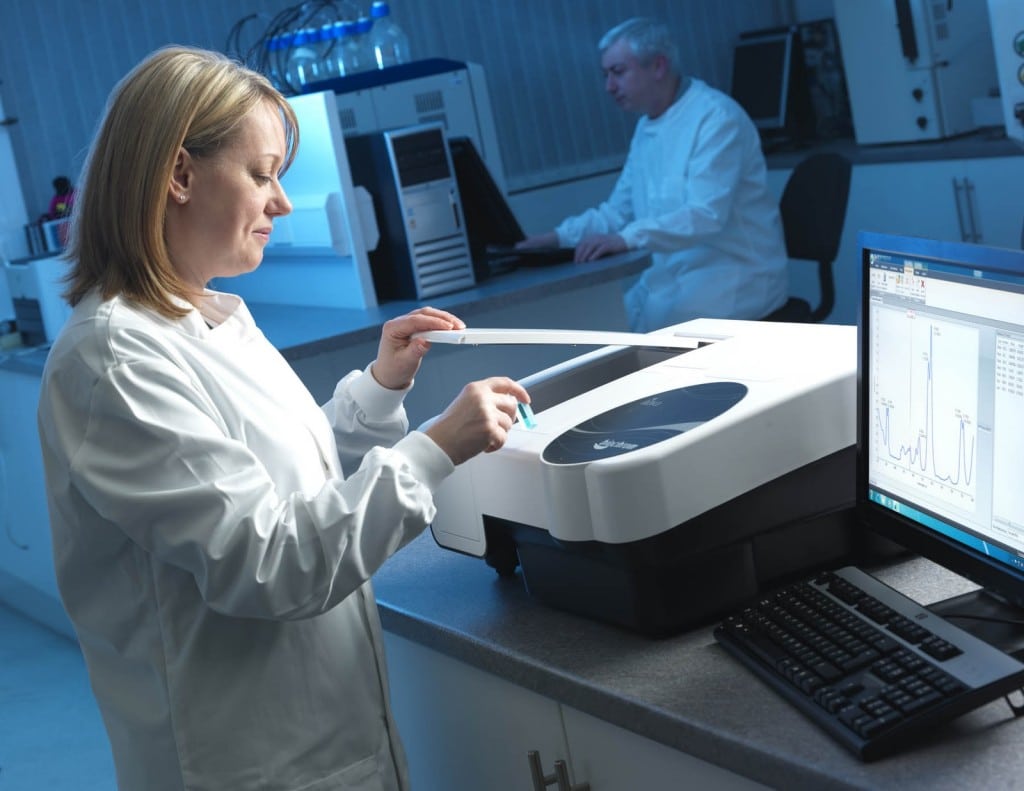
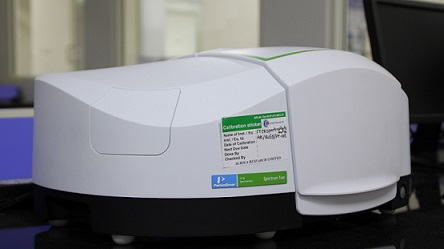
Your UV-VIS Spectrophotometer is a highly sophisticated optical device designed to give accurate and reproducible data over a long period of time.
Stray light is any light reaching the detector that lies outside the wavelength band width selected for analysis by the monochromator.
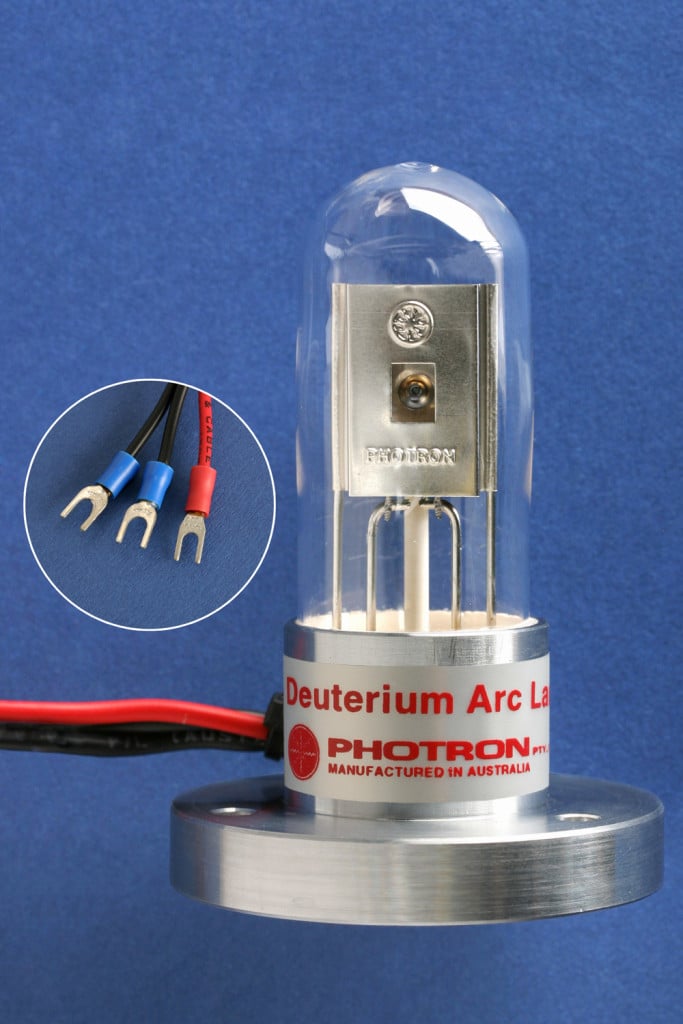
Unfortunately there is no single source that is suitable over the entire UV– VIS spectral region (190 -800 nm).
UV – VIS spectroscopy offers a fast and accurate estimation of analytes in diverse range of applications. The sensitivity of the technique is further enhanced by reaction with reagents that impart colour to otherwise colourless species.
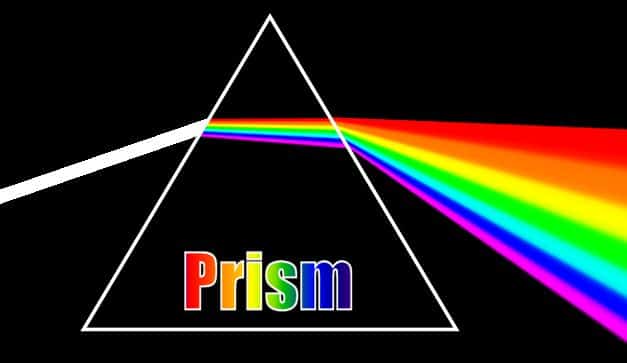
Colours all around us do fascinate us but have you ever wondered that even though the natural light is colourless then what it is that imparts different colours to different materials.
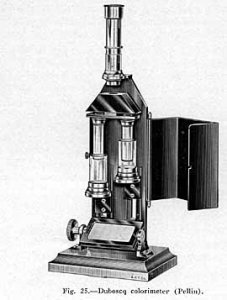
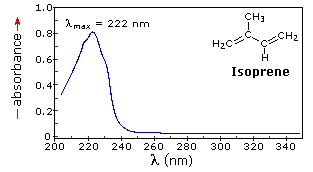
An understanding of the UV – VIS absorption spectrum is important for full exploitation of the potential of your spectrophotometer.. UV- VIS spectroscopy is not only the oldest spectroscopic technique but is also a forefather of instrumental methods of analysis.
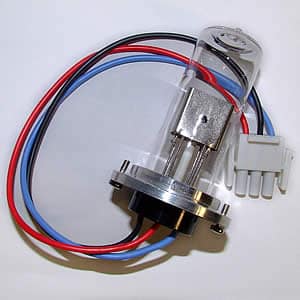
A light source is an essential component of a spectrometer as it provides the required energy for excitation essential for spectral transitions.
This article discusses about the interactions when a light beam passes through a different optical media. Read more.
FT-IR systems are sensitive to increased humidity as the optical windows are made of hygroscopic materials. These tips will help in increasing their lifetime.
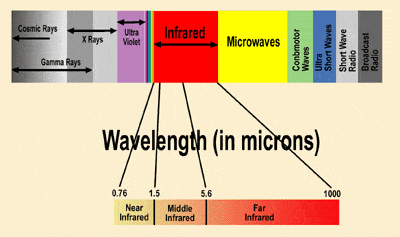
Within the IR range mid-IR region is of special interest and an earlier article on mid-IR applications has touched upon typical applications in this area. On the other hand contributions of near- IR and far- IR cannot be overlooked and deserve a mention.
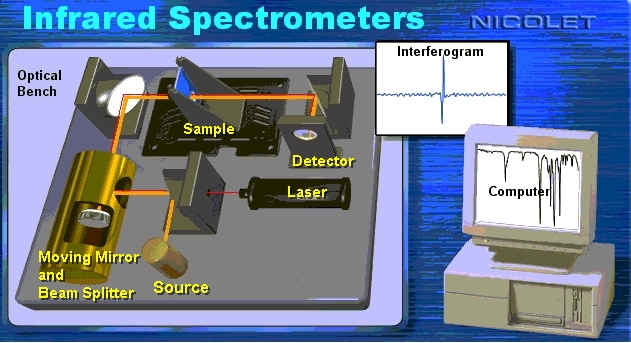
FT -IR Spectroscopy has widespread applications in molecular structural confirmation and characterization of solids, liquids and gases.
IR spectroscopy and in particular mid-IR region provides a wealth of information on chemical composition of materials. Sampling techniques and HATR accessory in particular have contributed immensely to the scope of applications.
HATR or Horizontal Attenuated Total Reflectance accessory offers a number of benefits over conventional sampling methods adopted for liquids and solids.
Apart from liquids solids constitute a major segment of samples characterized using FT-IR spectroscopy. The merits and de-merits of each technique are discussed in this article.
Liquid samples constitute a large majority of samples requiring identification and characterization using FT-IR Spectroscopy
Have you ever wondered why some compounds are colourless whereas some are coloured. Read more about chromophores and chromophoric shifts.
FT-IR Spectroscopy has made significant contributions in identification and characterization of materials. The origins of infrared spectroscopy as an analytical tool can be traced back to the pioneering work of Sir William Herschel in 1800.
High-speed scanning applications requiring higher sensitivities such as hyphenated techniques particularly FT-IR coupled with GC give excellent sensitivity and speed of scanning.
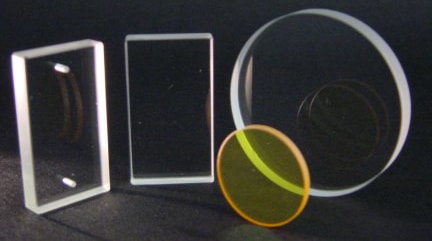
Glass is a common window material in the visible region because of its transparency. However, it is not suitable for IR region because it strongly absorbs IR radiation. Quartz which is suitable in UV region is not of much use in IR studies
The reason for this has been the several advantages offered by FT-IR spectroscopy technique.
Laboratory analysis data storage and retrieval are a major concern for laboratories. Find out the best option for laboratory data backup.