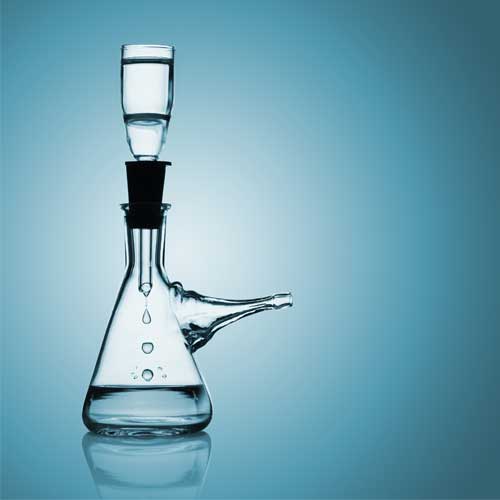
Advantages of Filtering HPLC mobile phase solvents
Filtering HPLC mobile phase solvents removes suspended particulates that can build up in columns, raise back pressure, and damage pump components over time.
All articles from Lab Training, covering chromatography, spectroscopy, microbiology, and analytical method validation, in order of publication.
Filtering HPLC mobile phase solvents removes suspended particulates that can build up in columns, raise back pressure, and damage pump components over time.
How instrumental techniques like spectroscopy and chromatography advanced analytical chemistry, delivering faster, automated, less biased results.
Practical measures to keep a laboratory contamination free by controlling outside dust, visitor and staff access, personal belongings, and repair work.
Covers sample collection, storage, and transportation practices for water analysis by Atomic Absorption Spectroscopy to ensure a representative sample.
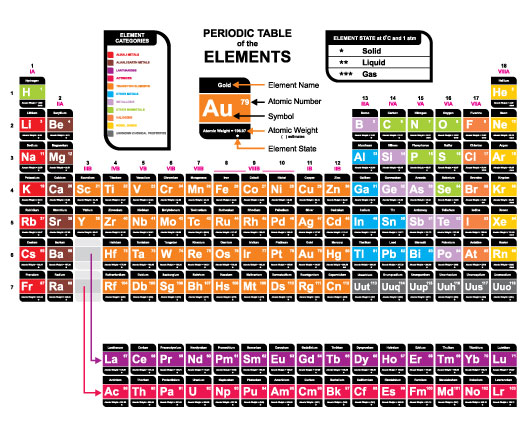
Covers IUPAC's 2016 addition of nihonium, moscovium, tennessine and oganesson, completing the periodic table's seventh row, and the story behind each name.
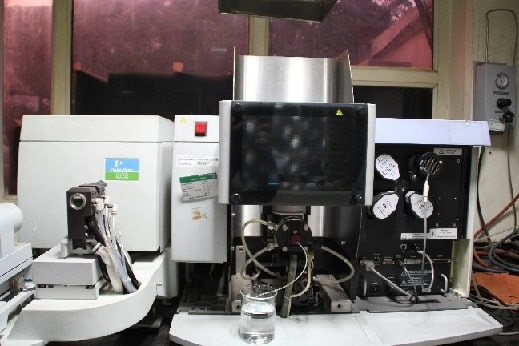
Explains how Atomic Absorption Spectroscopy of used lubricating oil detects wear metals like chromium, copper, iron, and lead in engine components.
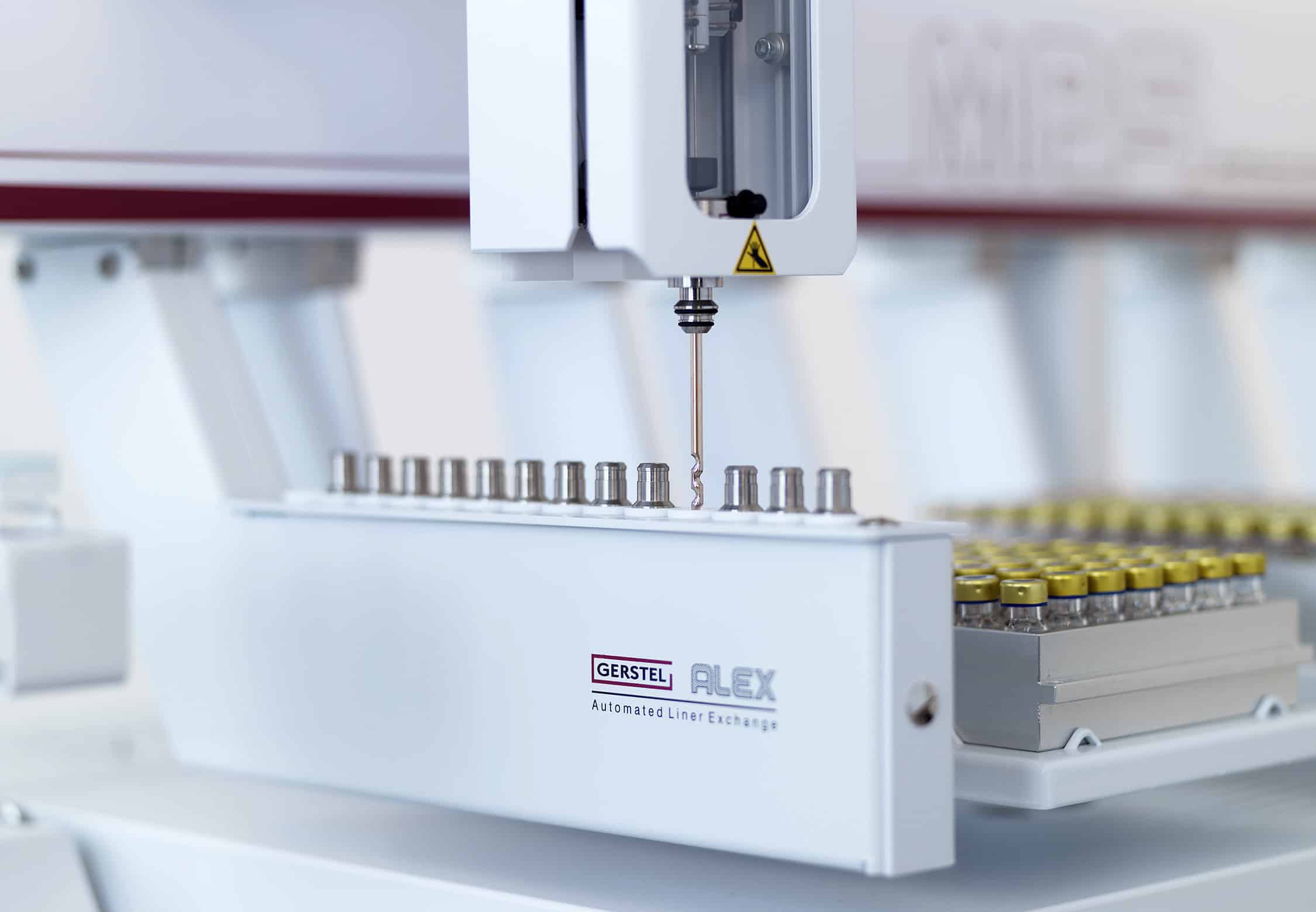
Explains how automated liner exchange systems replace contaminated GC injector liners mid-sequence, saving time versus manual cleaning or replacement.
Explains how GC inlet liner design, packed, unpacked, or baffled, should be matched to split, splitless, direct, or PTV injection techniques for reliable sample transfer.
Compares splitless, split, direct, and on-column injection techniques for capillary GC, explaining how each affects sample transfer, sensitivity, and peak shape.
Why laboratory documentation matters across academic, medical, industrial, forensic, and regulatory laboratories for reproducibility and legal defense.
Covers causes of random fluctuations in GC operating conditions, from gas quality and leaks to injection reproducibility and temperature drift.
Explains laboratory standards and reference materials, covering traceability, metrological and chemical standards, and documented standards like ISO and AOAC.
Compares laboratory instruments with industrial process monitoring instruments, explaining differences in versatility, ruggedness, and unattended operation.
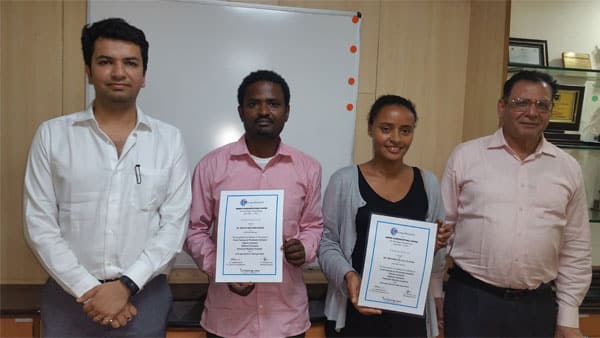
Recaps a hands-on food testing training program in New Delhi covering proximate, vitamin, aflatoxin and pesticide residue analysis for Ethiopian trainees.
Explains common pitfalls in interpreting calibration plots, too few data points, wrong concentration range, uncalibrated glassware, and how to generate reliable data.
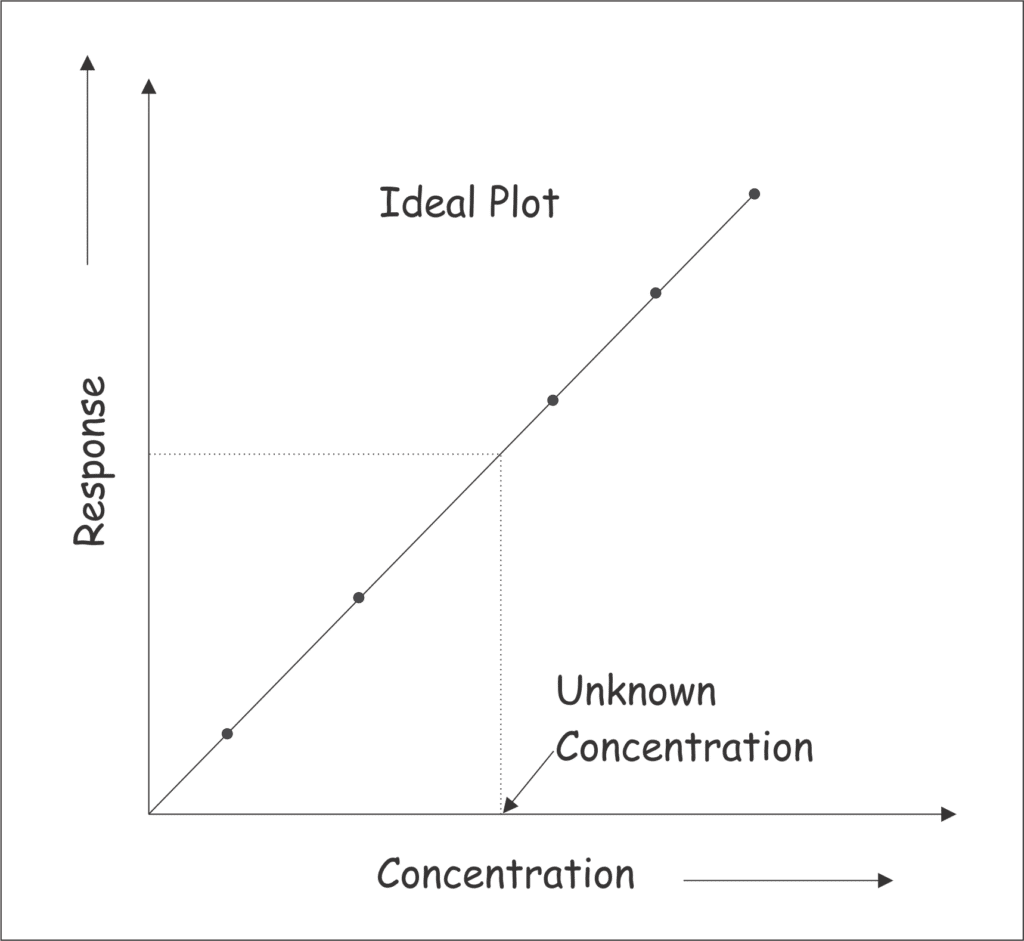
Explains what a calibration plot is and how to read one, helping judge whether an analytical technique is linear and sensitive enough for quantitation.
The article discusses briefly about some common HPLC analysis applications in clinical laboratories.
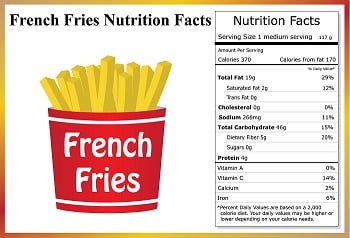
HPLC is a useful technique for analysis of nutrition content of foods
Explains why chemical analysis relies on replicate determinations, and the time, cost, and resource limits on how many replicates are practical.
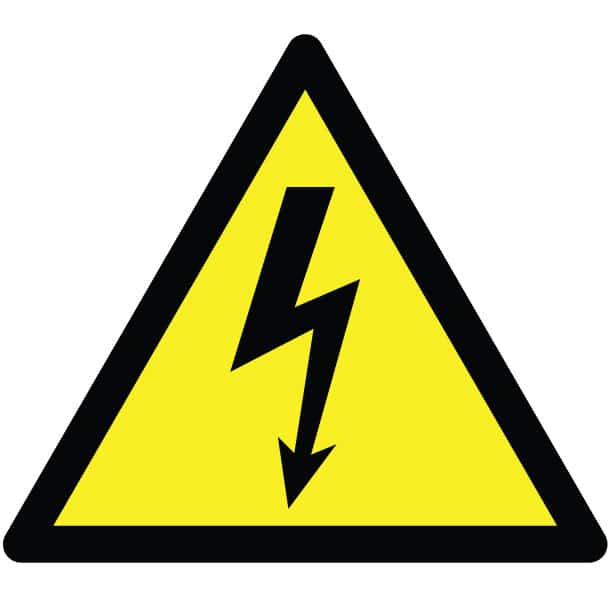
Covers precautions against electrical, radiation, and hot-surface hazards posed by analytical instruments to prevent accidents and equipment breakdowns.
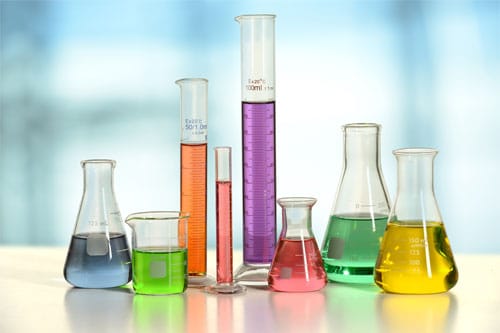
Highlights common misuses of laboratory glassware, including play, serving food, or gifting, and the contamination and breakage hazards these create.
Explains how Atomic Absorption Spectroscopy skills open career paths in mining, environmental monitoring, pharmaceuticals, food safety, and forensics.
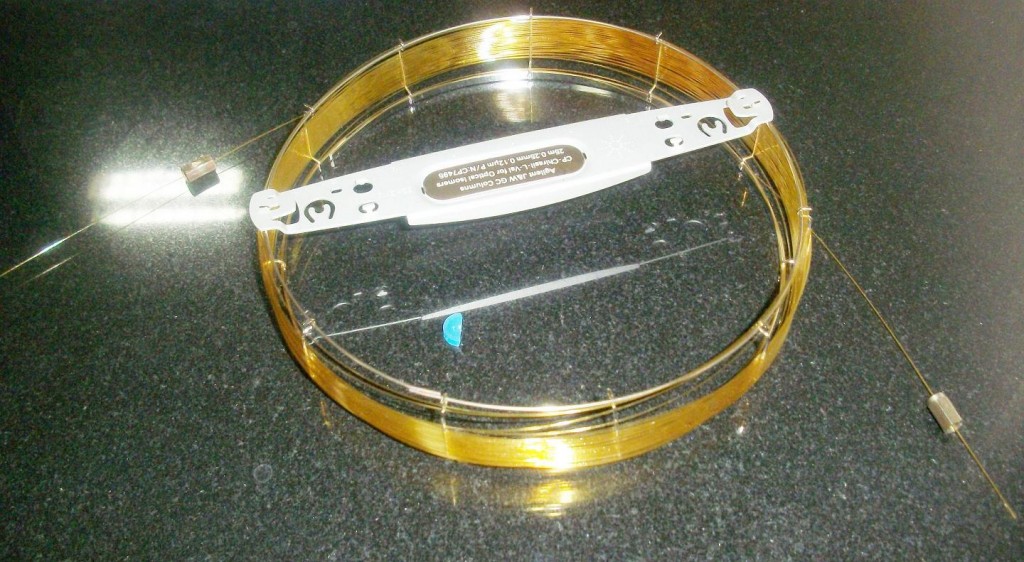
Explains why capillary GC columns are typically kept within 15 to 60 meters, since longer columns bring diminishing gains alongside cost and bleed.
Explains why laboratory safety should be a habit, since each worker is responsible for their own safety and colleagues' safety amid chemical, fire, and other hazards.