Professional Qualities that matter in your laboratory team
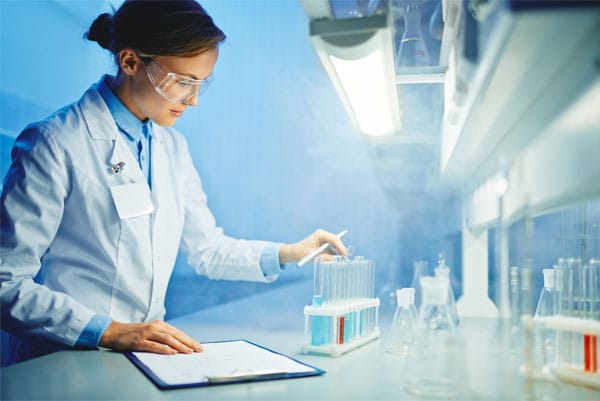
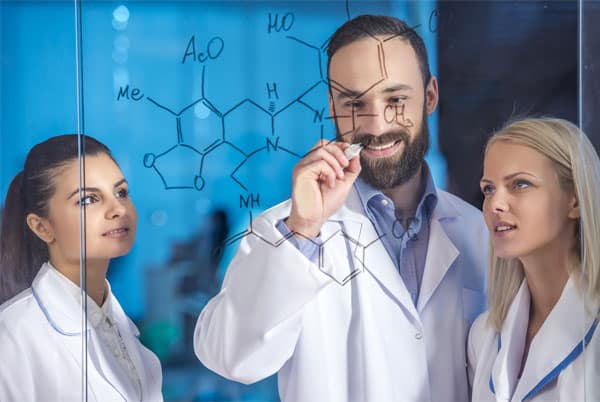
Discusses how to build an effective laboratory team by evaluating technical skill and commitment differently for fresh graduates versus experienced hires.
Browse all General Topics articles, guides, and protocols.
Discusses how to build an effective laboratory team by evaluating technical skill and commitment differently for fresh graduates versus experienced hires.
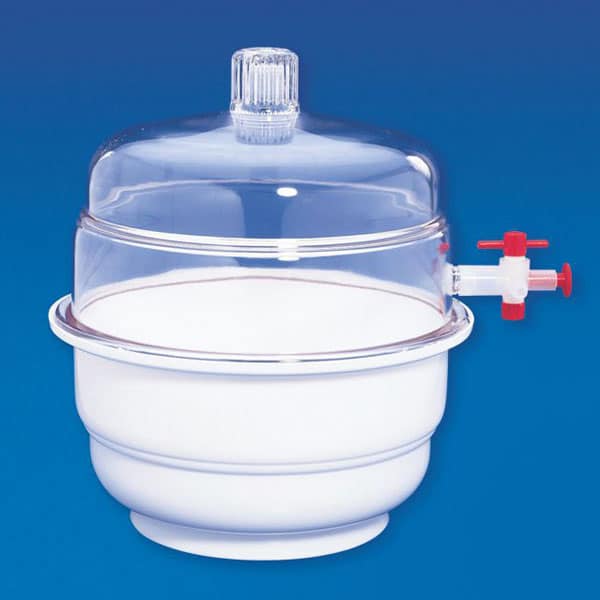
Explains what a laboratory desiccator is used for, the types available, and safe practices for opening, closing, and handling standard and vacuum models.
Details cleaning methods for laboratory plastic ware by contaminant type, including acid soaking for trace metals, chromic acid for organics, and mild detergent for grease.
Compares the chemical resistance, temperature limits, and autoclavability of common laboratory plastics, including HDPE, LDPE, polypropylene, polystyrene, and PTFE.
Compares glass and plastic laboratory ware, weighing glass's inertness and reusability against plastic's unbreakable, lightweight, non-leaching properties.
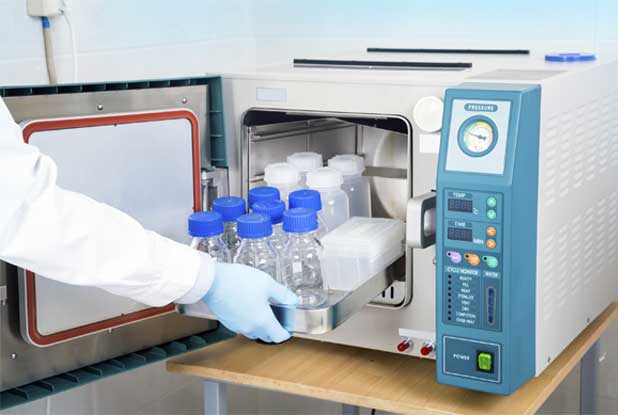
Details cleaning methods matched to specific glassware types and the chemicals they held, including soap-water soaking, acetone rinsing, and autoclaving.
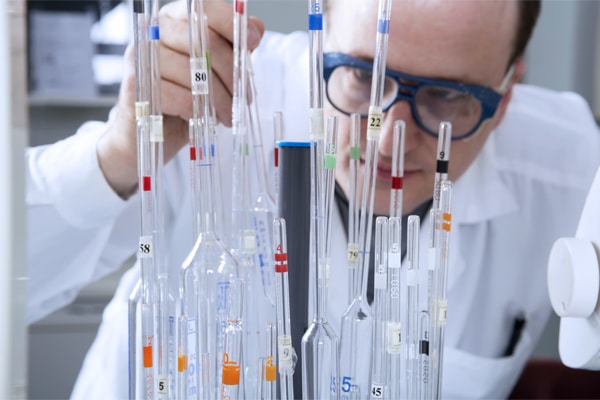
Explains how micropipettes enable precise microliter-to-milliliter liquid transfers and covers key handling precautions for accurate, contamination-free use.
Explains why laboratory samples need repeat testing, covering failed results, sample loss, method deviations, calibration limits, and expired standards.
Explains why laboratory incidents like spills, uncalibrated instruments, or procedural deviations should be reported before results reach customers.
Explains why analytical method validation is needed before routine use and which parameters, such as linearity and precision, it covers.
Covers precautions for handling sophisticated analytical instruments, including installation, environmental controls, and periodic calibration.
Suggests a staged training approach for advanced analytical techniques, covering system capabilities, components, operation, maintenance, and troubleshooting.
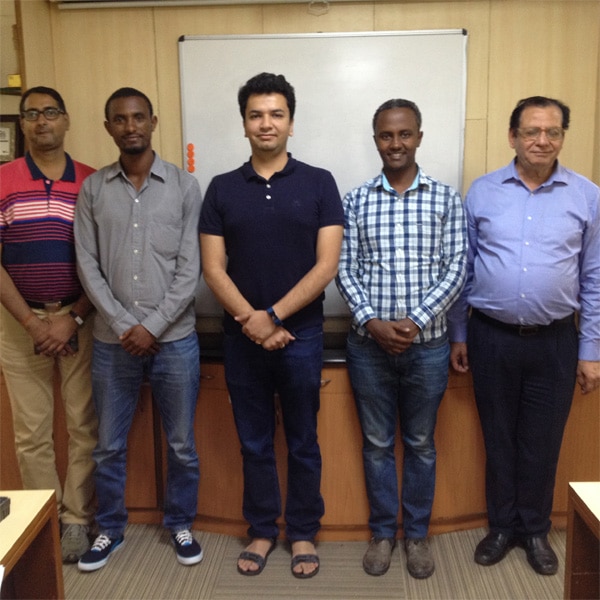
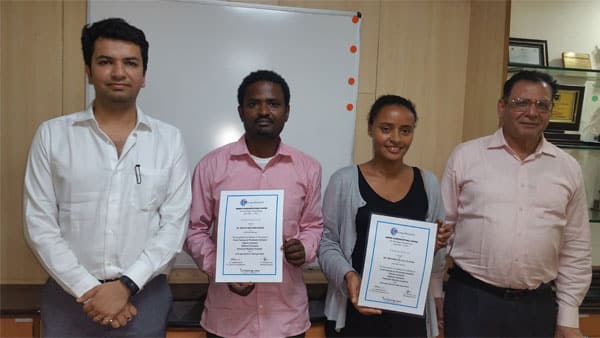
A testimonial from EFMHACA Ethiopia trainees on a warehouse management training program held at Arbro Pharmaceuticals in October 2016.
A step-by-step approach to training new laboratory entrants on advanced instrumental analysis techniques, from induction through operation and troubleshooting.
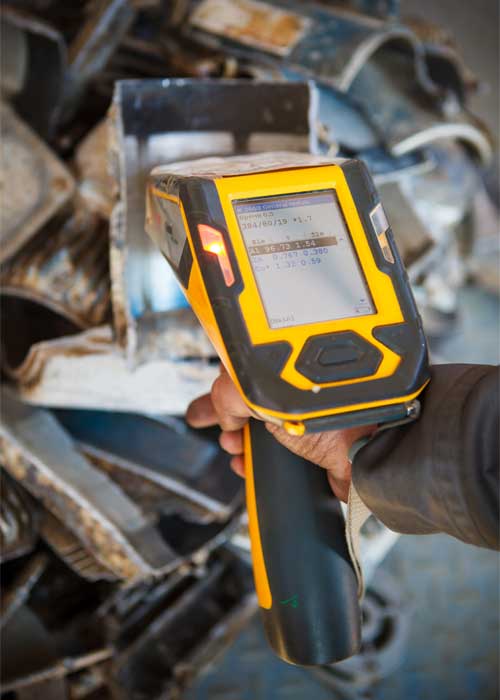
Explains how XRD and XRF differ: XRD reveals crystalline structure and phase composition, while XRF determines elemental composition of a sample.
How instrumental techniques like spectroscopy and chromatography advanced analytical chemistry, delivering faster, automated, less biased results.
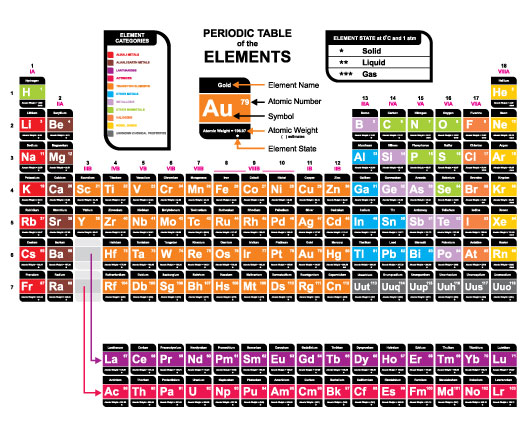
Covers IUPAC's 2016 addition of nihonium, moscovium, tennessine and oganesson, completing the periodic table's seventh row, and the story behind each name.
Explains laboratory standards and reference materials, covering traceability, metrological and chemical standards, and documented standards like ISO and AOAC.
Compares laboratory instruments with industrial process monitoring instruments, explaining differences in versatility, ruggedness, and unattended operation.
Recaps a hands-on food testing training program in New Delhi covering proximate, vitamin, aflatoxin and pesticide residue analysis for Ethiopian trainees.
Explains common pitfalls in interpreting calibration plots, too few data points, wrong concentration range, uncalibrated glassware, and how to generate reliable data.
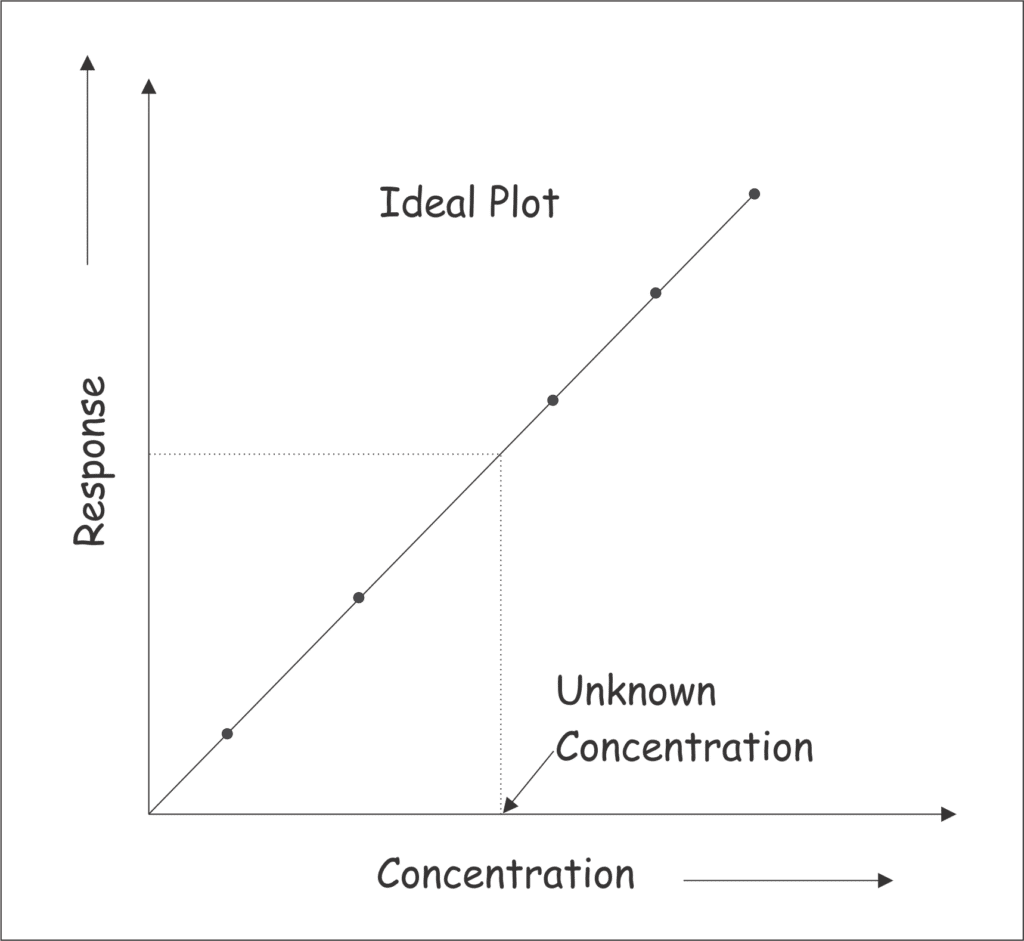
Explains what a calibration plot is and how to read one, helping judge whether an analytical technique is linear and sensitive enough for quantitation.
Explains why chemical analysis relies on replicate determinations, and the time, cost, and resource limits on how many replicates are practical.