How to Prevent Accidents through safe handling of analytical instruments
Covers precautions against electrical, radiation, and hot-surface hazards posed by analytical instruments to prevent accidents and equipment breakdowns.
Browse all General Topics articles, guides, and protocols.
Covers precautions against electrical, radiation, and hot-surface hazards posed by analytical instruments to prevent accidents and equipment breakdowns.
Highlights common misuses of laboratory glassware, including play, serving food, or gifting, and the contamination and breakage hazards these create.
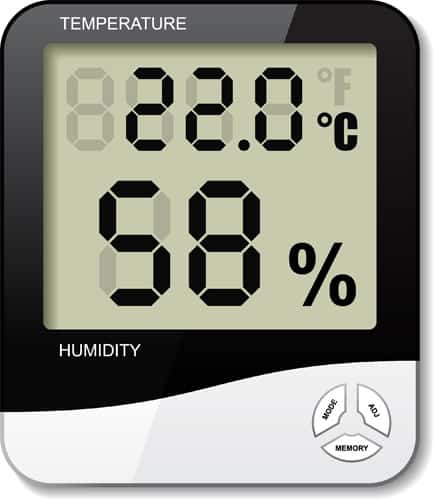
Guidelines for preventing lab instrument breakdowns through environmental control, correct installation, maintenance scheduling, and stable power supply.
Lists practical guidelines for preventing laboratory glassware breakage, covering overlooked safety procedures, accidental damage, and careless handling and storage.
Practical measures for preventing liquid and solid chemical spills in the laboratory through proper storage, handling, and transfer practices.
Identifies sources of lab sample contamination, environment, containers, tools, cross-contamination, reagents, analysts, visitors, with prevention steps for each.
An interactive calculator that applies the C1V1 = C2V2 formula to quickly find dilution volumes for preparing standard solutions in volumetric analysis.
Explains how skilled manpower, modern analytical facilities, advance work planning, and efficient laboratory layout combine to improve lab workflow and throughput.
Water for laboratory use has been divided into different grades for different laboratory applications
A laboratory uses large quantities of water for numerous activities. Water grades for laboratory use discussed the different grades of water which are commonly used in the laboratory.
Water grades for laboratory use have been discussed earlier.ASTM 1193 Laboratory grade specifications have been laid down for TypesI, II and III
The universal solvent character unfortunately makes water susceptible to contamination from different sources and different purification practices need to be adopted to achieve the required purity levels for different laboratory requirements.
Laboratory information management system (LIMS) is customized software designed to support operations of a laboratory.
Classical analysis techniques are easily understood and adapted by all those having an understanding of basic concepts of chemistry and analysis.
Titrimetric analysis or volumetric analysis offers distinct advantages over cumbersome gravimetric methods
Analysis results are authentic only if the samples taken for analysis are representative of the whole. A sample represents a bulk quantity such as sea water, river, lake water, rock from a mining site, tissue or body fluid from a living being, raw material consignment or finished product representing a manufactured product.
Quality Assurance and Quality Control are often used synonymously as the differences between them are not clear to most of us.
Your analytical results should be consistent if you adhere to the specified method and take all the prescribed experimental precautions
The dividing line between instrumental and non-instrumental methods is very fine. Check out the distinct benefits of Modern Analytical Instrumental methods.
Sophisticated analytical instruments cost a fortune and therefore require careful handling and care. This ensures consistency of results and low maintenance costs
Analytical measurement may appear to be simple but present a significant potential for errors because they involve several stages from sample collection to sample processing and final observation.
Measurement is truly valid if it is accompanied by definition of degree of uncertainty.
Limit of detection (LOD) is defined as the lowest quantity of the analyte substance that produces a signal at least three times the average noise level of the detector.
In addition to a dust free environment temperature and humidity are important parameters that require to be controlled in the laboratory.