Atomic Absorption Spectroscopic Analysis
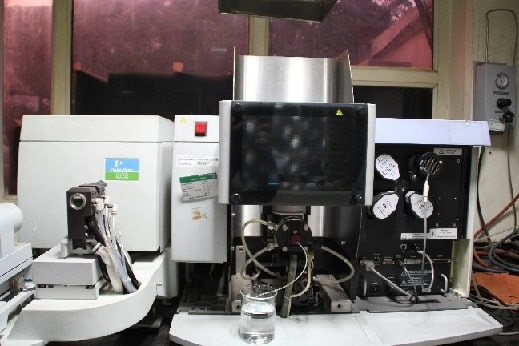
Atomic Absorption Spectroscopy analysis is capable of providing trace metals analysis in ppm and ppb levels for different elements.
All articles from Lab Training, covering chromatography, spectroscopy, microbiology, and analytical method validation, in order of publication.
Atomic Absorption Spectroscopy analysis is capable of providing trace metals analysis in ppm and ppb levels for different elements.
HPLC analysis involves use of expensive mobile phase solvents and recurring costs on consumables such as HPLC columns, sample and solvent filters, vials, glassware, etc.
Analysis by Atomic Absorption Spectroscopy requires collection, storage and at times transportation of samples.
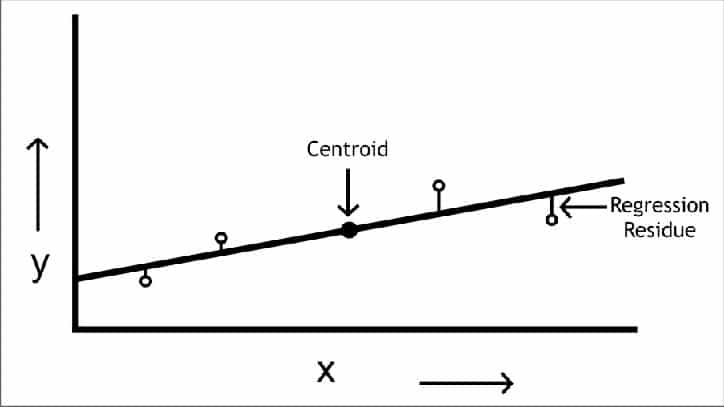
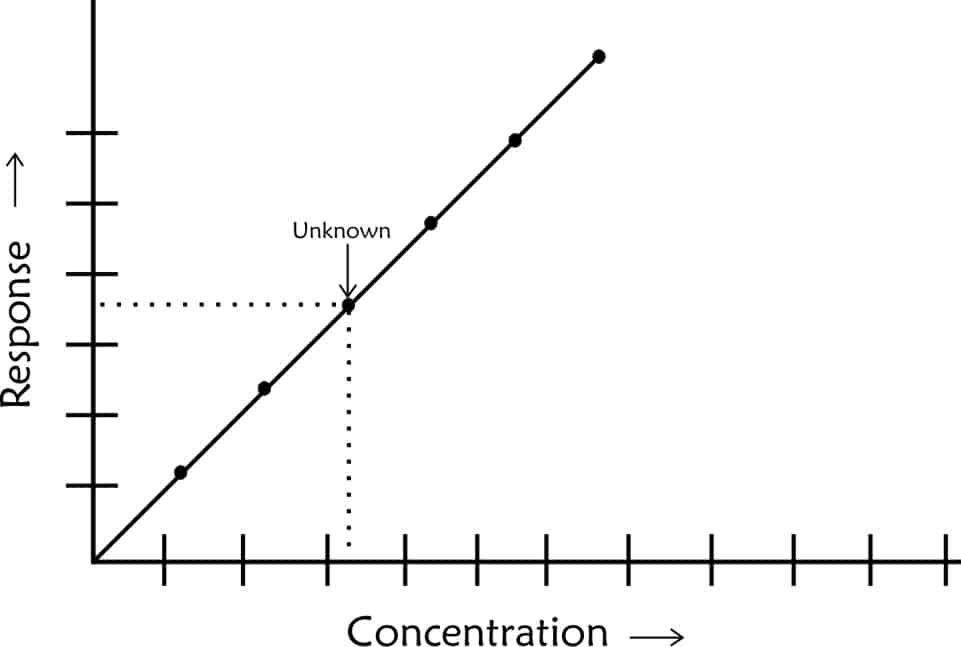
How do you decide the degree of linearity to rely on interpretations based on the calibration plot? Read more about the linearity of a calibration plot.
Deproteinization has contributed to the ever expanding scope of HPLC analysis of biological fluids. Sample filtration before HPLC analysis.
Hazardous Laboratory Spills can happen in all laboratories irrespective of their size or sophistication.
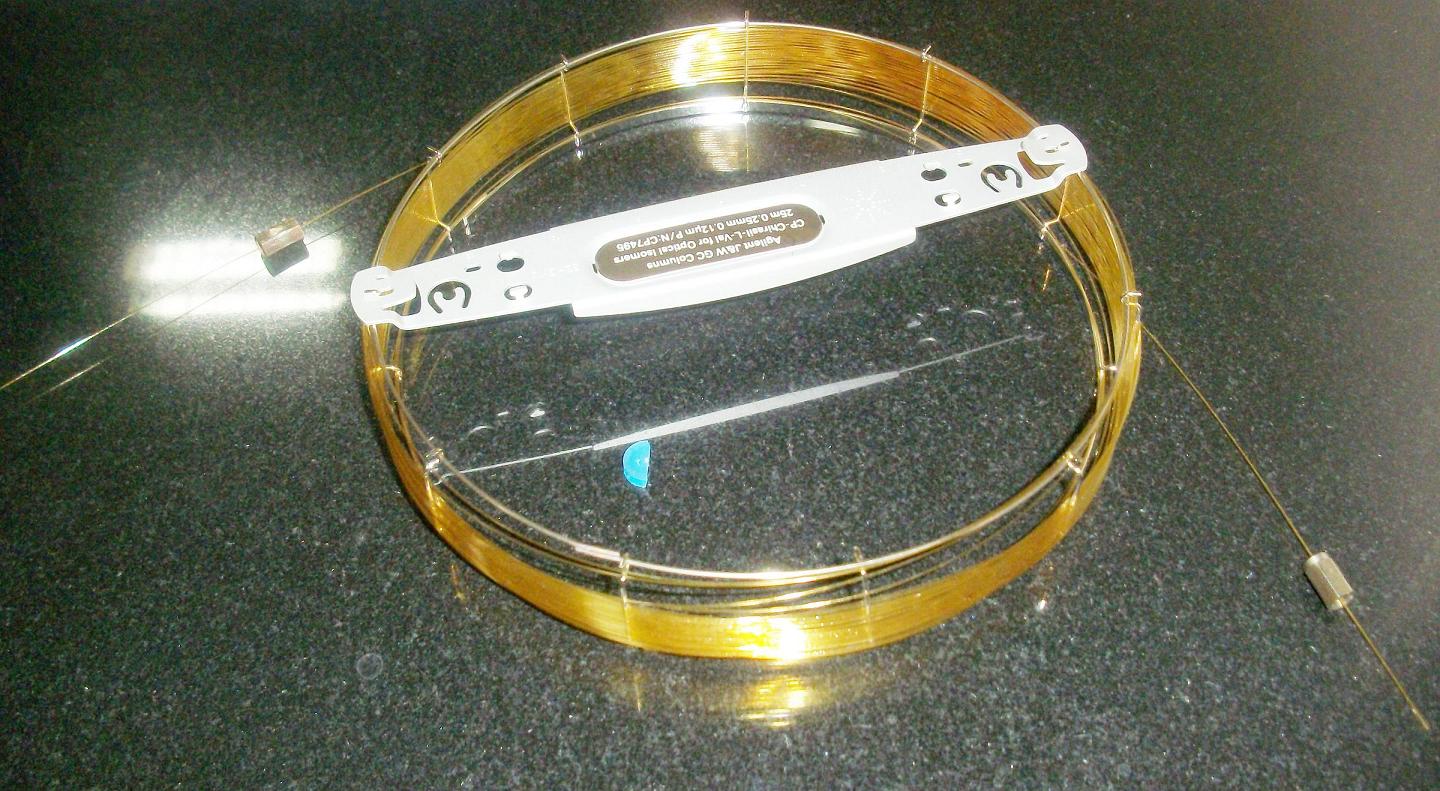
Conditioning is a process involving flow of carrier gas through a GC column at elevated temperature to flush out residual contaminants and make it fit for reliable use.
Choice of Gas Chromatography column internal diameter depends on the concentration of the sample. When sample loading exceeds Gas Chromatography column capacity there is loss of resolution, poor reproducibility and peak distortion.
A chromatographer always looks forward to getting perfect shaped peaks for each and every analysis but in reality peaks get distorted due to numerous reasons.
In the earlier article General Guidelines for Laboratory Safety you were provided tips on safe practices for carrying out different laboratory operations and processes. It is equally important to familiarize with safety symbols that you are likely to come across on laboratory walls, solvent and reagent bottles,containers and instruments in the laboratory.
Atomic Absorption Spectroscopy is an affordable and reliable technique for trace metal estimations and has gained wide acceptance in laboratories
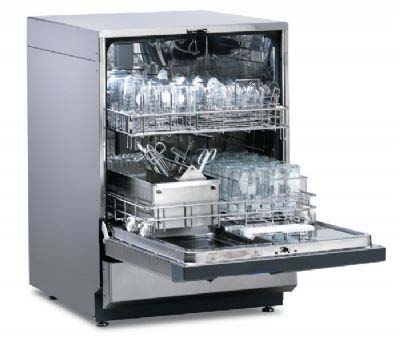
Use of clean laboratory glassware is critical for high accuracy and precision of your results.
Your choice of an analytical technique for a particular analysis would be based on its applicability and a conviction that the response will be linear to changes in concentration.
This course on Pharmaceutical Preformulataion has been developed to provide a basic understanding of the role of preformulation studies in drug discovery and development
Advance analysis planning based on test requirements,sample characteristics and priorities is the key to success of laboratory operations.
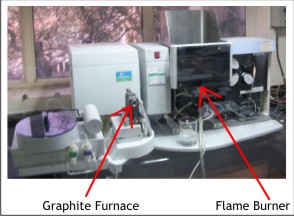
The benefits and limitations of the two atomisation processes were outlined in an earlier article Graphite Furnace Atomic Absorption Spectroscopy analysis
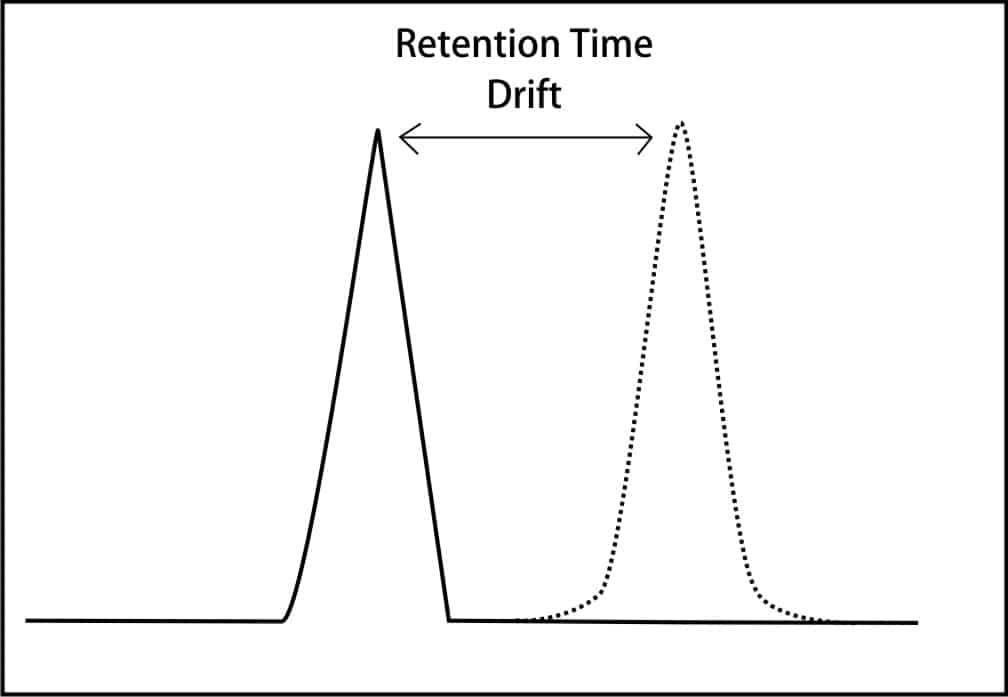
Retention time of a peak characterizes the identity of the eluting compound. Retention time has been explained in the earlier article How to read a chromatogram?.
Read our blog to learn more about single beam and double beam atomic absorption spectrometer systems.
An understanding of analytical errors is essential before you report your results with the required level of confidence. However, before talking about errors you should have clarity on the terms accuracy and precision. Most of us believe that these terms have same meaning but the example of arrows striking a target.
Analytical chemistry has entered into all spheres of human activities ranging from studies of natural resources, man-made materials, environmental monitoring, medical diagnosis and health monitoring, crime investigations, studies on archaeological artifacts to oceanographic and marine studies.
While it is not possible to cover the entire subject on the laboratory safety in a short article such as this one an attempt is made to provide some useful guidelines when carrying out different laboratory operations and processes.
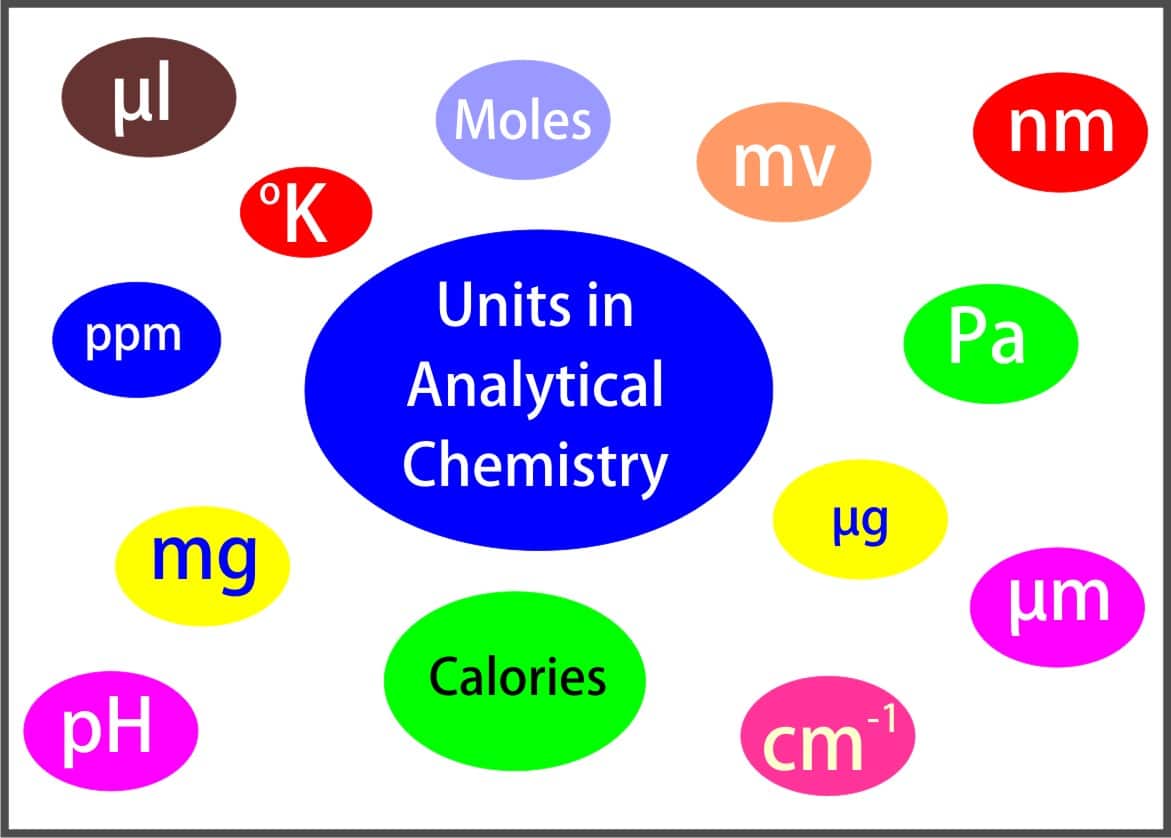
As an analytical scientist your main concern would have been to report your findings in terms of what is present in your sample and in what amount. Most instruments convert input in other units to concentration or other required units. ou might be inclined to think that it is sufficient to have a knowledge of concentration units and their interconversions
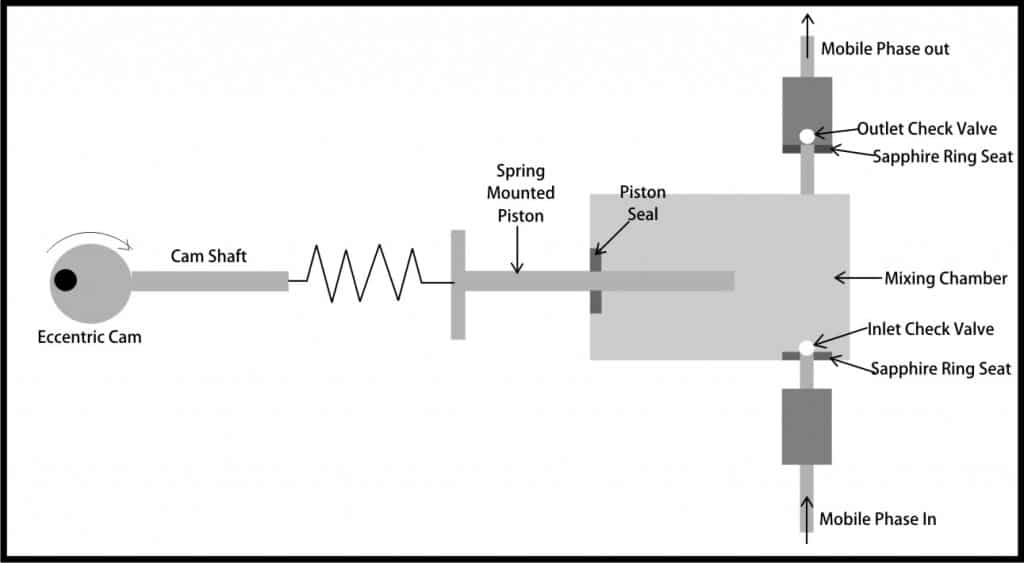
A brief introduction to different types of HPLC pumps was provided in module 7 of our free course on HPLC.
Silica-based HPLC columns have remained workhorses in HPLC laboratories. Over the years with advances in particle technologies size reduction has been possible from 5μm to sub- 2μm which led to development of UHPLC.