Ion pair chromatography in reverse phase HPLC
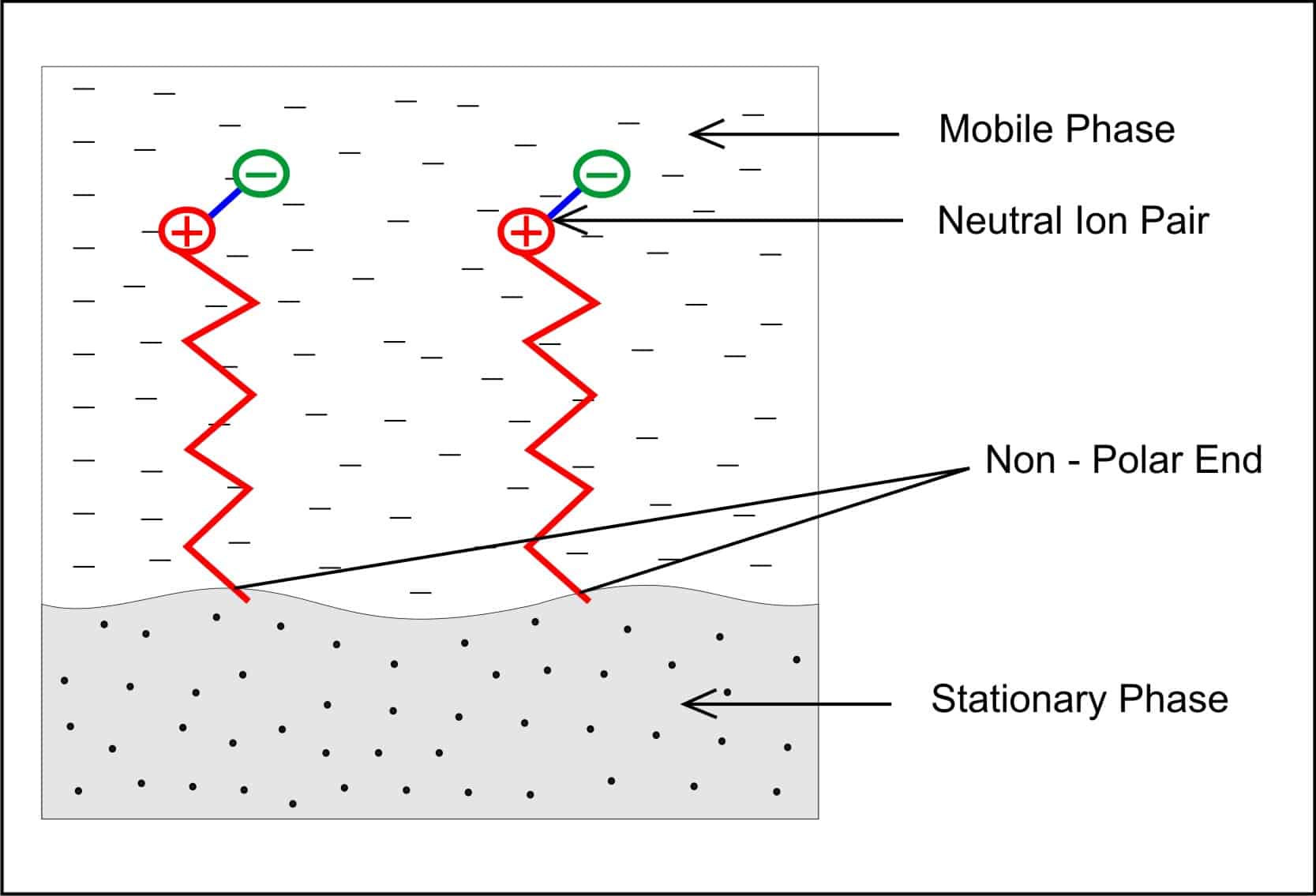
Ion pair chromatography helps separate charged analytes using the popular reverse phase HPLC.
All articles from Lab Training, covering chromatography, spectroscopy, microbiology, and analytical method validation, in order of publication.
Ion pair chromatography helps separate charged analytes using the popular reverse phase HPLC.
Based on the available information on the sample and purpose of analysis HPLC methods are classified into the following four basic modes
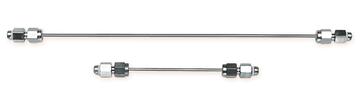
The era of UHPLC or fast LC started in 2004 when sub 2 – μm particles were introduced. Typically modern ultrafast UHPLC columns are 15 mm long with an internal diameter of 2.1 mm in comparison to typical HPLC columns which are 150 – 250 mm long with 4.6 mm id.
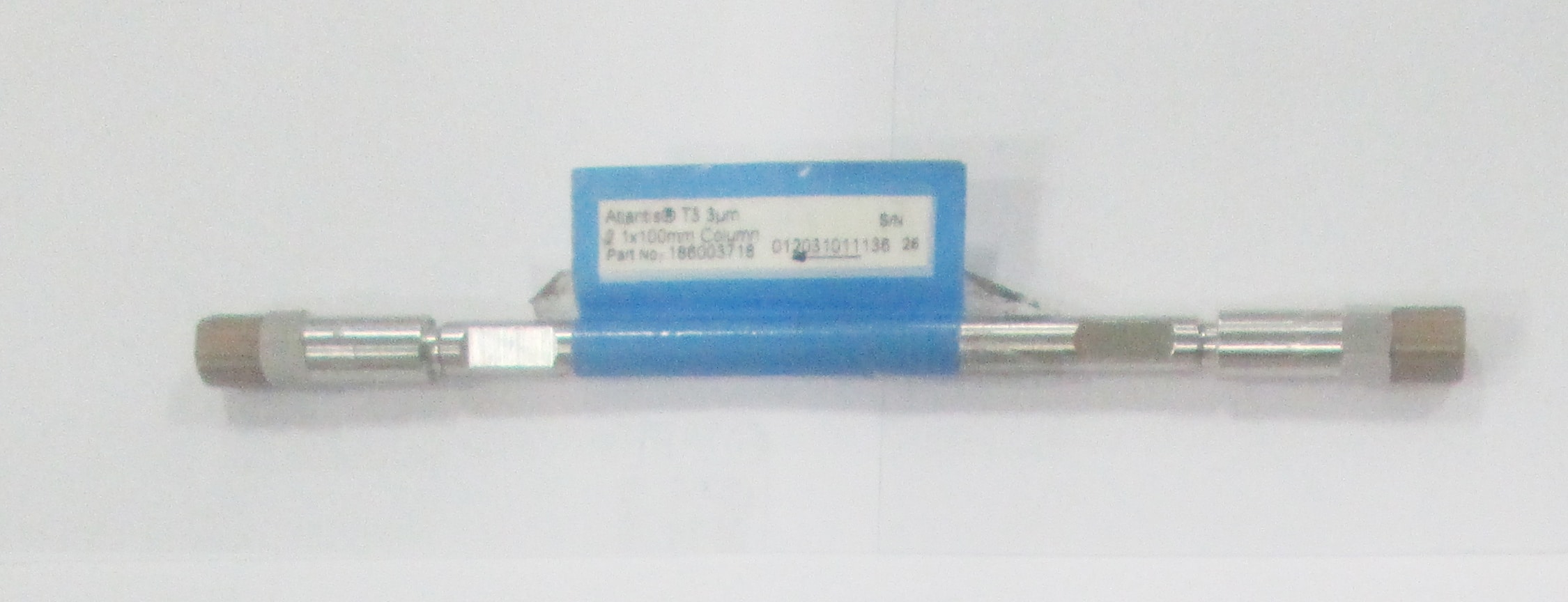
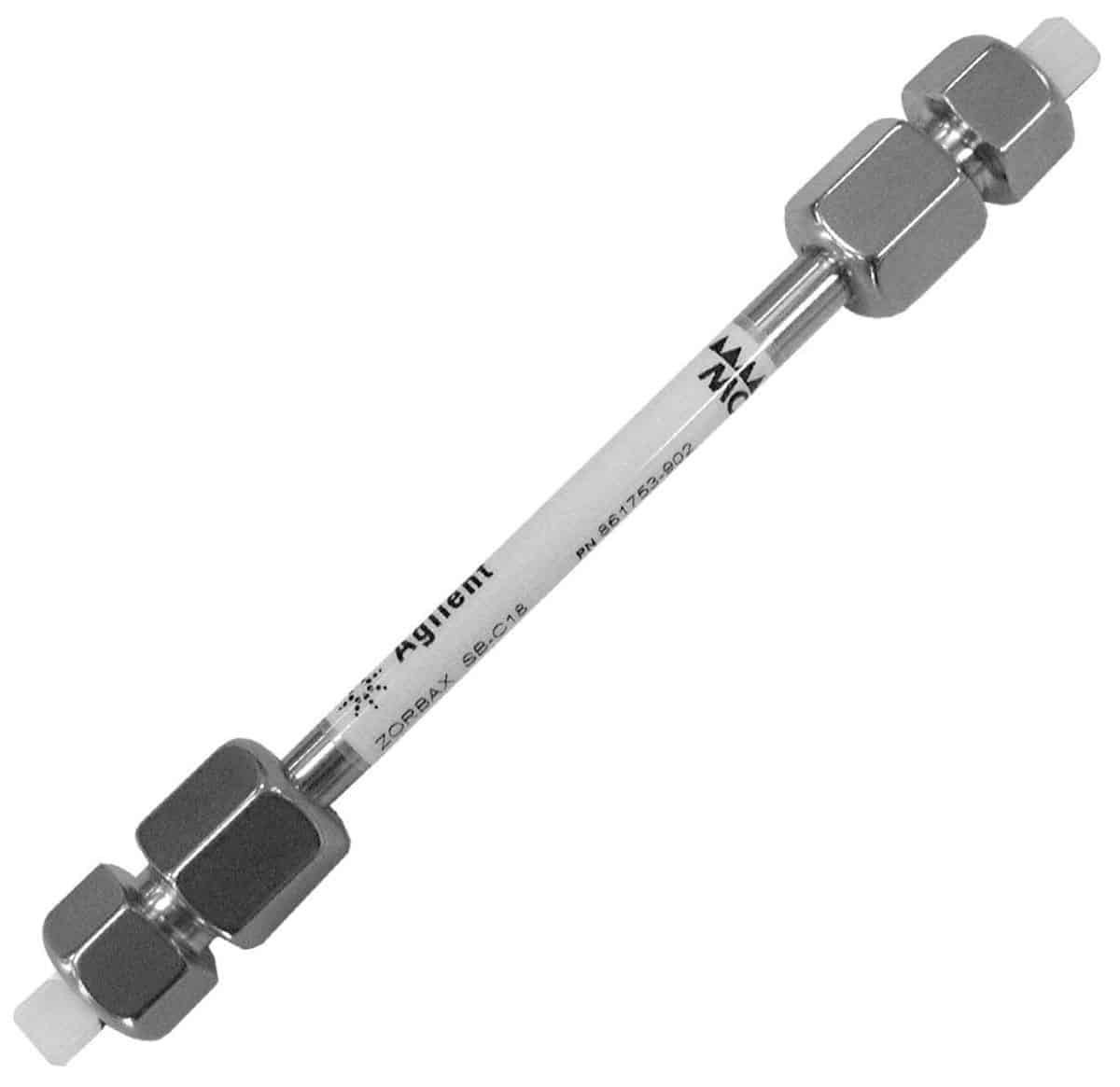
A HPLC column is the most critical component of the HPLC system. Quality of your results will greatly depend on its performance.
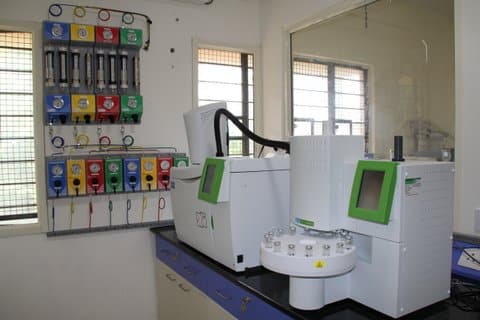
Gas purification of commercially available gas supplies is necessary to generate stable baselines without noise or ghost peaks in gas chromatographic analysis.
HPLC analysis commonly uses Isocratic or Gradient elution. In Isocratic mode the mobile phase composition remains unchanged during the analysis run whereas in gradient elution the mobile phase composition changes as per defined program during the run.
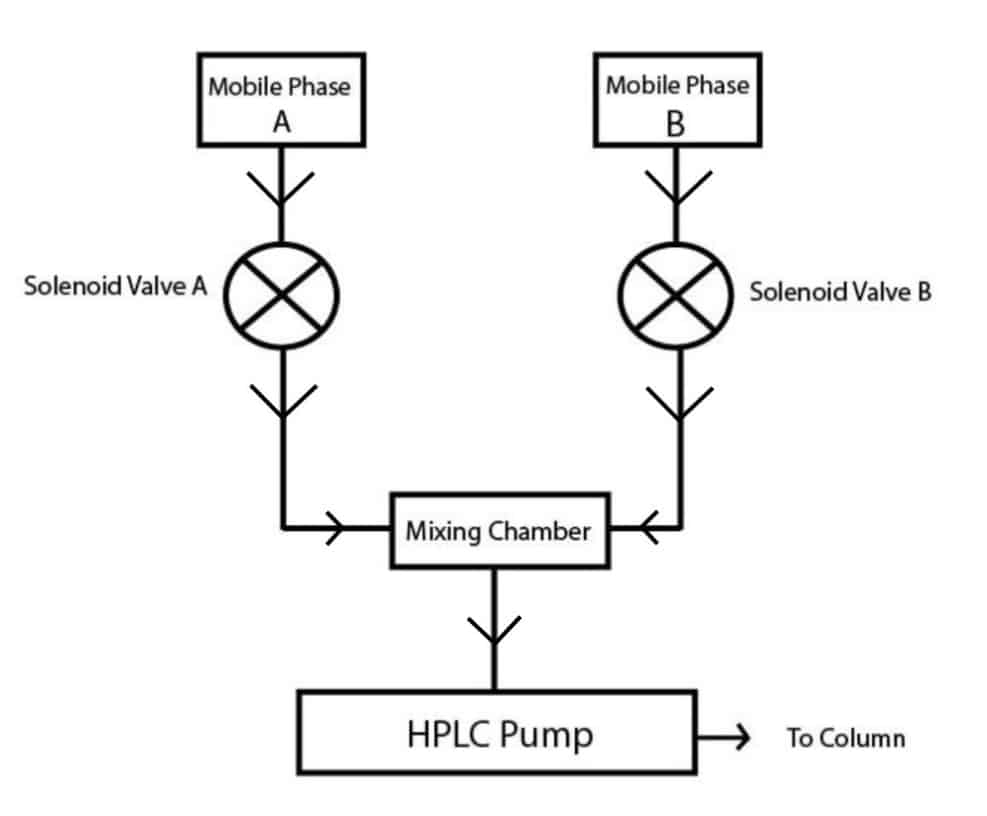
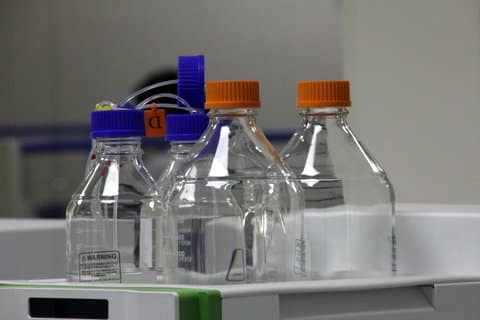
It will be very rare that you will come across an HPLC method which uses a single solvent throughout the run. Pure solvents kept in mobile phase reservoirs need to be mixed in required proportions under isocratic conditions.
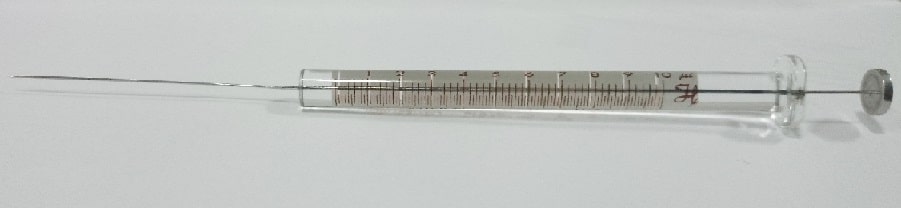
Sample injection is a critical part of Gas Chromatography analysis. A number of errors do creep in if due consideration is not given to the proper choice of sample introduction syringe.
Chromatographic Syringe for introduction of samples into a chromatograph numerous times without bothering to understand its terminology and specifications
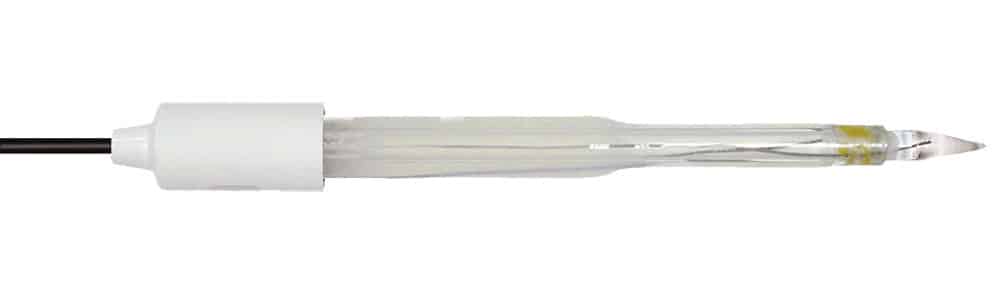
pH measurement has become a critical control parameter in research, product development, manufacturing operations and clinical diagnosis
You are often required to report pH of solutions such as strong acids, strong alkalis and non-aqueous solutions.
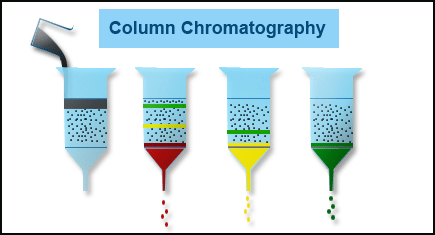
Chromatography is an invaluable analytical technique in the hands of the analytical scientist for the separation and quantification
Arbro Pharmaceuticals Limited has been awarded “Excellence in Training and Development Award 2013” by the Human Resources Development Management Committee of the World HRD Congress at Taj Lands End, Mumbai.
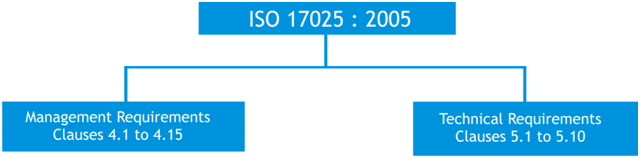
ISO 17025 is the first internationally accepted standard for laboratory quality systems that provides a basis for accreditation.
HPLC and GC are separation techniques which have gained a strong foothold in chemical laboratories.
HPLC technique is fast emerging as a popular analytical technique and the system is finding a prominent place in most industrial and academic research labs.
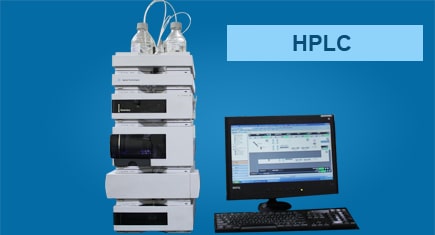
What is HPLC? In simple terms HPLC (High Performance Liquid Chromatography) is an analytical technique used for separation of components of organic mixture of compounds.
In addition to the in depth coverage there are over 25 videos that depict software control of instrument and other associated HPLC laboratory operations.
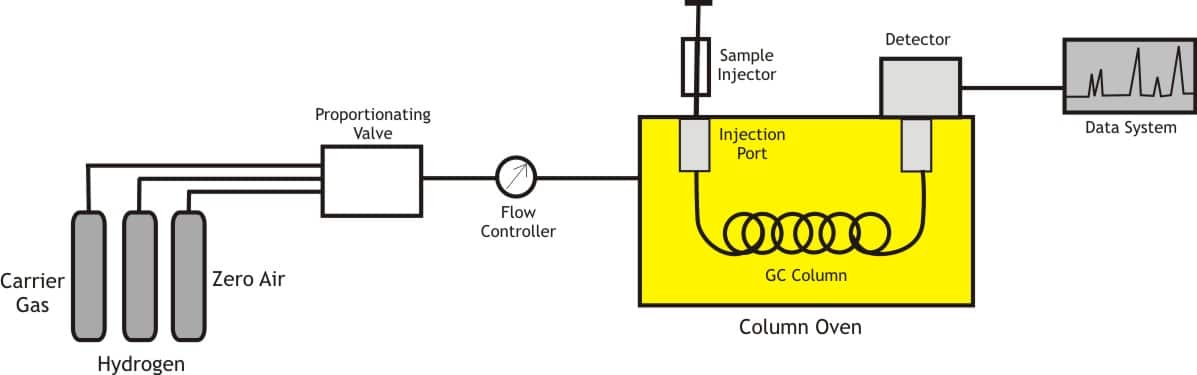
GC chromatogram is also referred to as Gas Liquid Chromatograph or simply as Gas Chromatograph. It comprises of individual components illustrated above.
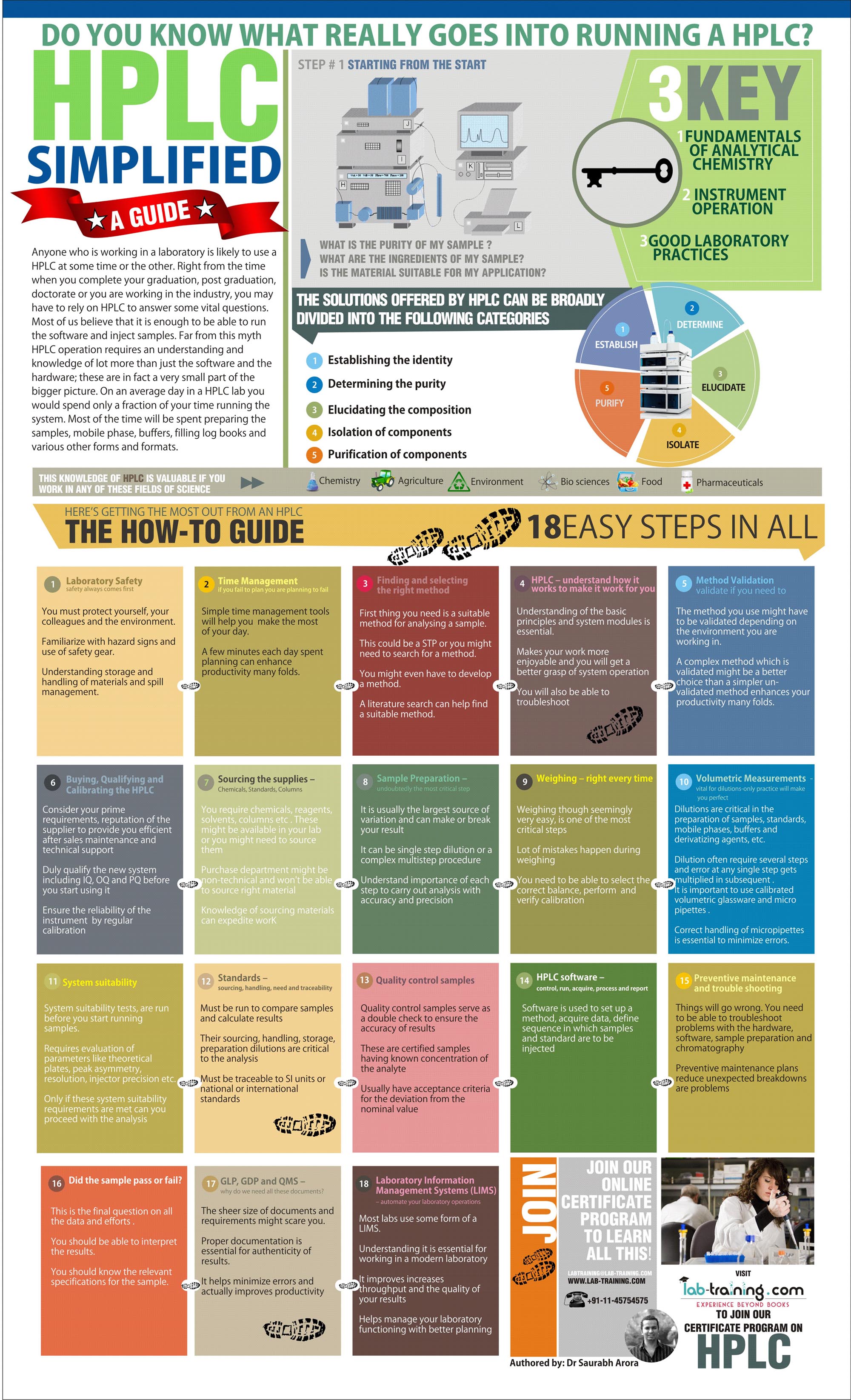
We answer the question with a 18 step guide on running a HPLC presented as a lively Infographic, free to download and share with your friends and team mates!
Analytical chemist plays a significant role and his/her opinion carries great weight in matters relating to consumption of foods and pharmaceuticals, natural resources, utility of materials for different applications, criminal investigations, commercialization of manufacturing processes and international trade. In order carry out his duties with full responsibility the analytical chemist has to have required skills and follow an ethical code of conduct.
A detector is the final component in the chromatographic system and provides real time information on the separated components, the detector characteristics influence the separation.
In my earlier post on generation of authentic chromatographic data I had emphasized the need for evaluation of system suitability before proceeding with analysis. Some factors contributing to system suitability failures in HPLC were discussed. The current post introduces you to system suitability parameters and their acceptance limits.
Using the right quality of water for HPLC analysis can save you lot of time and money. This article talks about the requirements of water for HPLC and where you can get it from.