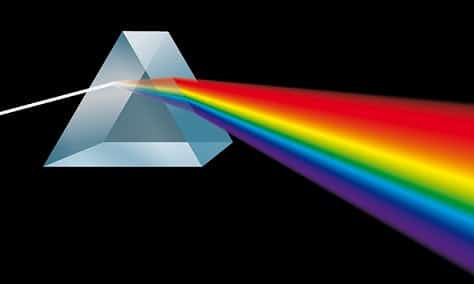
Dispersion of Light in Spectroscopy
Light sources of Atomic Absorption spectrometers generally emit broad spectrum of wavelength bands which require to be separated into individual wavelength
Browse all AAS articles, guides, and protocols.
Light sources of Atomic Absorption spectrometers generally emit broad spectrum of wavelength bands which require to be separated into individual wavelength
Introduction to the phenomena has been made in the article Air or Nitrous oxide – which is the right oxidant gas for flame Atomic Absorption analysis.
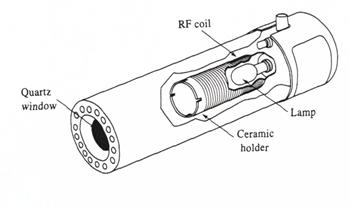
In this article, we have explained the comparison between Electrode-Less Discharge Lamps and Hollow Cathode Lamps as light sources in AAS.
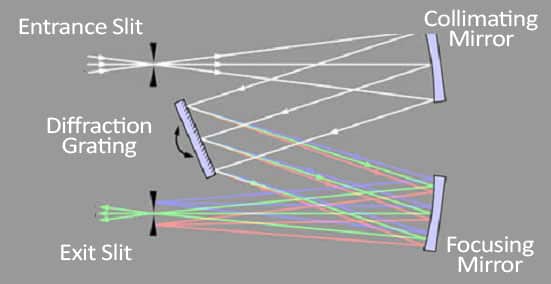
Monochromator is a vital optical component of the Atomic Absorption Spectrometer.
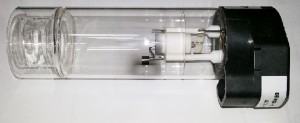
Light sources in AAS briefly provides introduction to hollow cathode lamps and multi element hollow cathode lamps.
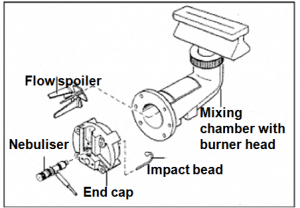
In Flame Atomic Absorption Spectroscopy the sample solution is never introduced as a stream direct into the flame as it can destabilize the fame
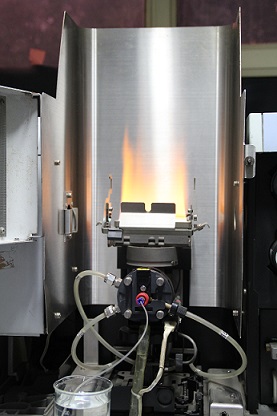
The flame of the atomic absorption spectrometer is comparable to the absorption cell in an optical spectrometer.
Flame Atomic Absorption Spectroscopy analysis requires an oxidant gas in addition to fuel gas to support combustion.
Atomic Absorption Spectroscopy analysis is an affordable and sensitive technique for determination of trace metals in different samples.
Atomic Absorption Spectroscopy analysis is capable of providing trace metals analysis in ppm and ppb levels for different elements.
Analysis by Atomic Absorption Spectroscopy requires collection, storage and at times transportation of samples.
Atomic Absorption Spectroscopy is an affordable and reliable technique for trace metal estimations and has gained wide acceptance in laboratories
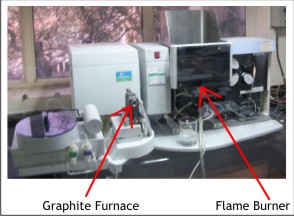
The benefits and limitations of the two atomisation processes were outlined in an earlier article Graphite Furnace Atomic Absorption Spectroscopy analysis
Read our blog to learn more about single beam and double beam atomic absorption spectrometer systems.
Photron's Super Hollow Cathode Lamps deliver 5 to 10 times better sensitivity than standard hollow cathode lamps in AAS, with long shelf life and easy fit.
The webinar elaborating the 19 logical steps for gaining insight into Atomic Absorption Spectroscopic technique and building up your confidence on operation was held on Thursday 12 March 2015 as per the announced schedule.
Trace metal analysis i.e estimation of trace metals in different studies are assuming greater importance due to increased awareness
Conventional open wet sample digestions of solid samples are carried out in vessels containing the sample and large volume of acids.