Attenuated Total Reflectance (ATR)- a versatile FT-IR sampling tool
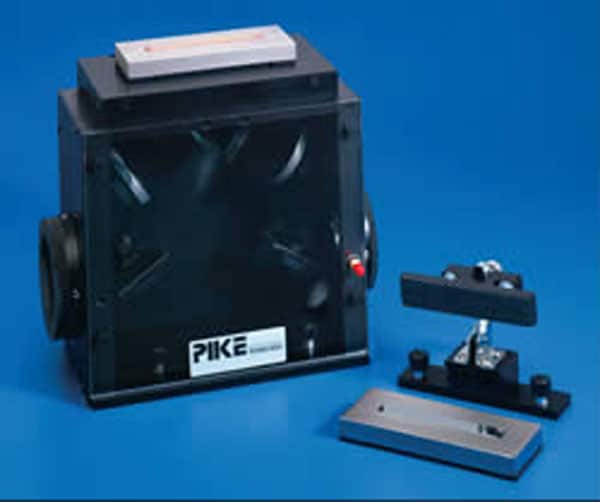
How Attenuated Total Reflectance (ATR) lets FT-IR analyze liquids, solids, and pastes directly, avoiding the cell filling and KBr pellet prep of transmission.
Browse all Spectroscopy articles, guides, and protocols.
How Attenuated Total Reflectance (ATR) lets FT-IR analyze liquids, solids, and pastes directly, avoiding the cell filling and KBr pellet prep of transmission.
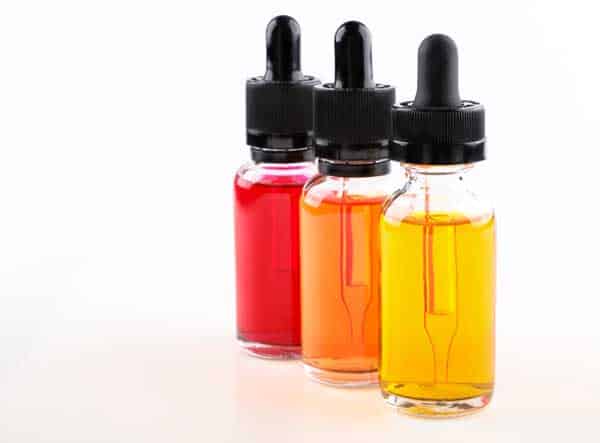
An overview of colour measurement scales, including ASTM, APHA/Hazen, Saybolt, Rosin, EBC, and Lovibond, used to quantify colour in oils, water, and brews.
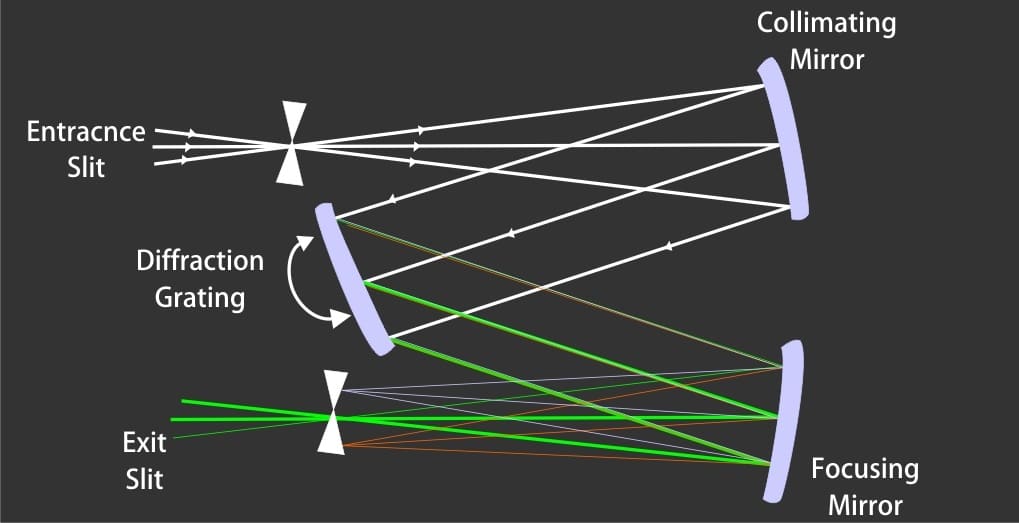
Dispersion elements in spectrometers help isolate wavelength bands of interest for analysis work.
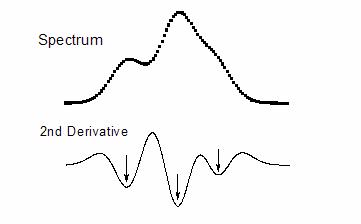
How to correct physical and chemical interferences in UV-visible spectroscopy using isoabsorbance measurement, multicomponent analysis, and derivative methods.
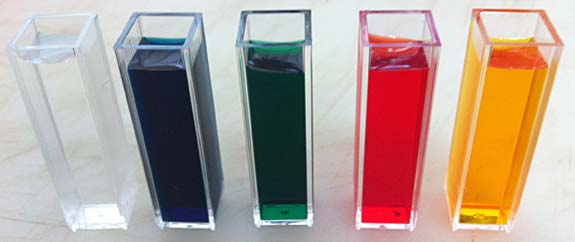
This blog explains about cuvette spectrophotometer and how to select the right cuvette material for UV-VIS absorbance studies. Read the blog to learn more.
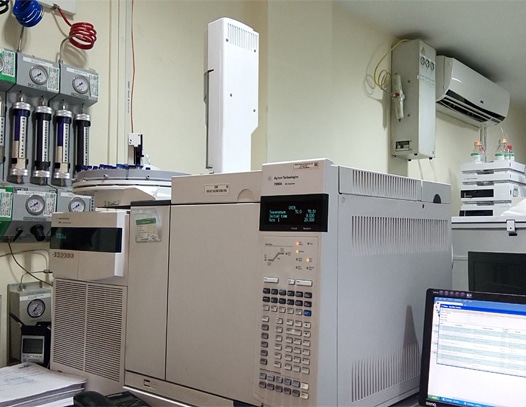
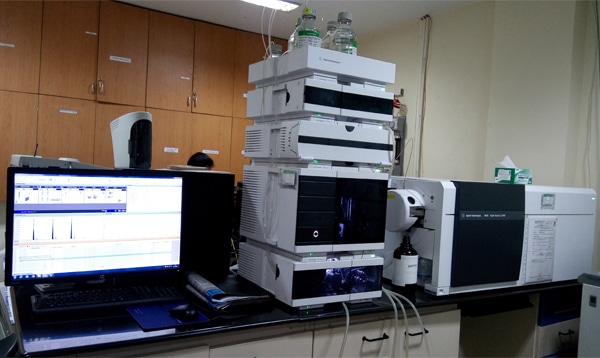
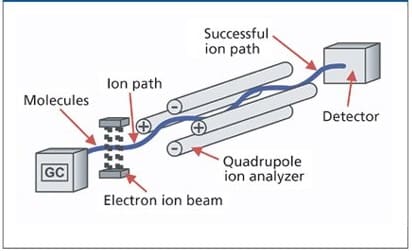
Compares GC/MS and LC/MS on cost, mobile phase, compound compatibility, vacuum requirements, and spectral libraries to help choose the right technique.
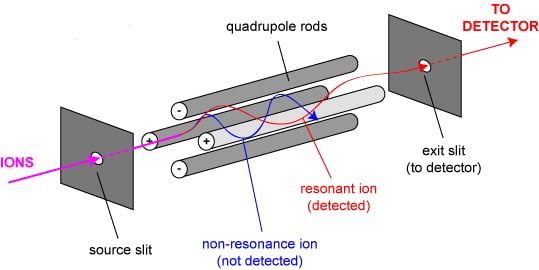
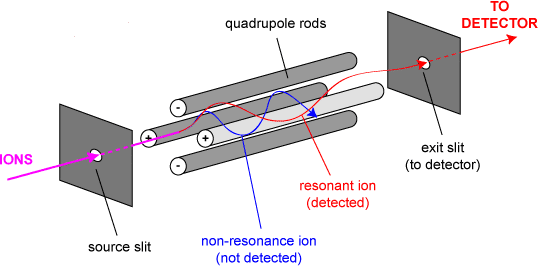
Why LC-MS/MS outperforms single quadrupole LC-MS, offering higher sensitivity, selectivity, and linearity through triple quadrupole mass analysis.
HPLC is well established as an analytical technique. Why is HPLC the most popular technique in analytical laboratories today? highlights the reasons that justify this claim.
An overview of mass analyzers, quadrupole, magnetic sector, time-of-flight, and ion trap, used to separate ionized fragments by mass-to-charge ratio.
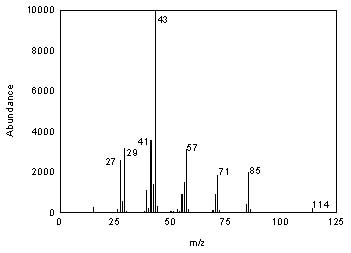
Explains the difference between GC-MS full scan and selected ion monitoring, covering their roles in qualitative screening versus quantitative analysis.
Explains how hyphenated GC-MS and LC-MS techniques couple chromatography to mass spectrometry for analyzing drugs, poisons, pesticides, and forensic samples.
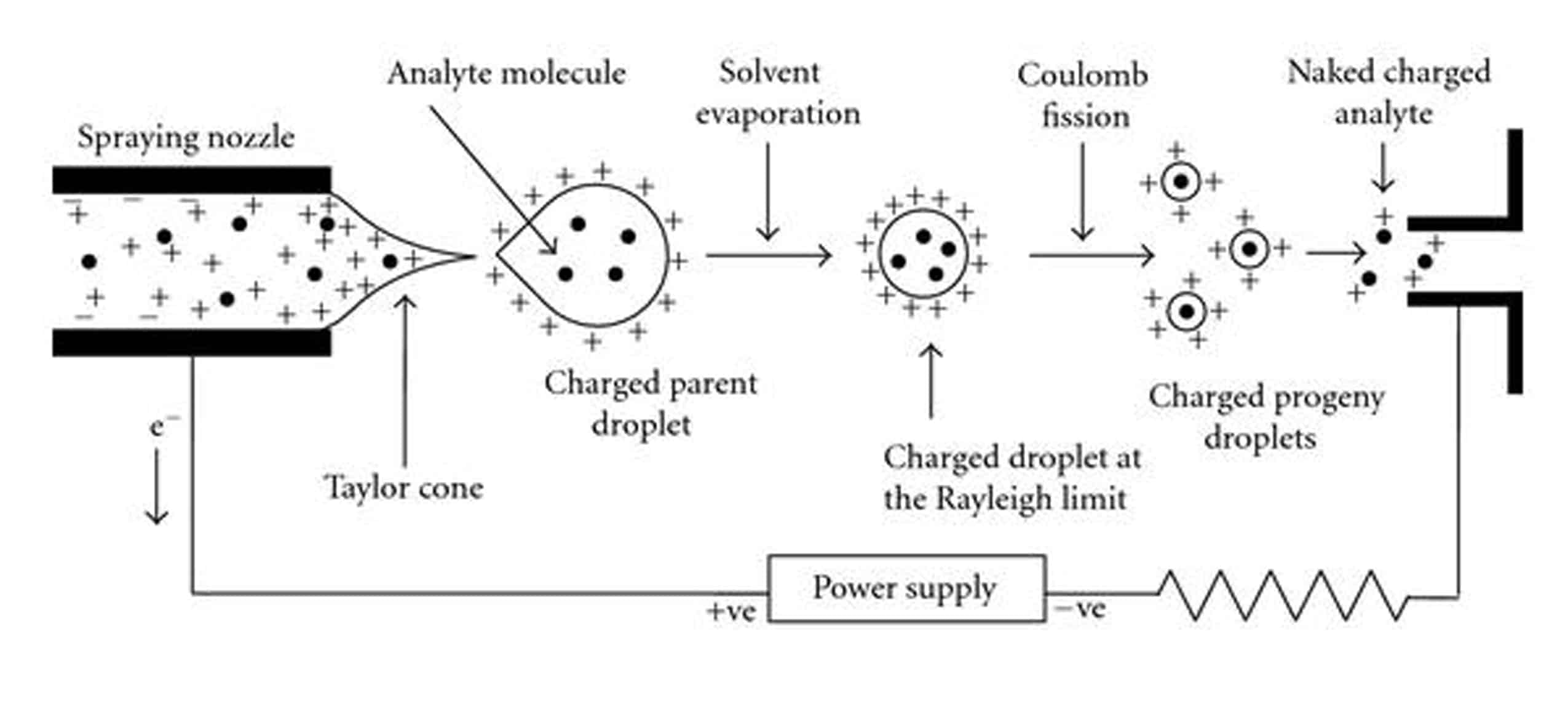
Overview of mass spectroscopy ionization techniques, electron impact, chemical ionization, electrospray, APCI, APPI, and MALDI, and how to choose the right one.
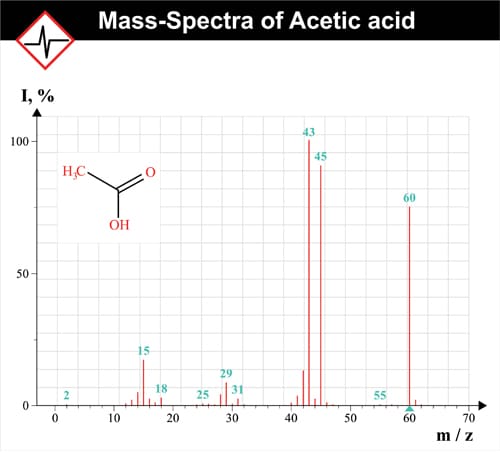
Mass spectroscopy is distinctly different from other spectroscopic techniques. It has found large number of applications in several areas of basic research and product development covering pharmaceutical etc.,
How mass spectroscopy differs from UV-Vis, FT-IR, fluorescence, and atomic absorption spectroscopy by identifying molecules via mass-to-charge ratios.
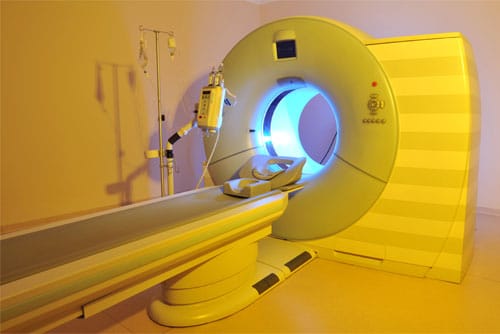
How Magnetic Resonance Imaging (MRI), derived from NMR, uses magnetic fields and radio waves instead of ionizing radiation to image internal body tissue.
Surveys NMR spectroscopy's research uses, such as structure elucidation and protein folding, and its industrial applications in pharma, foods, and polymers.
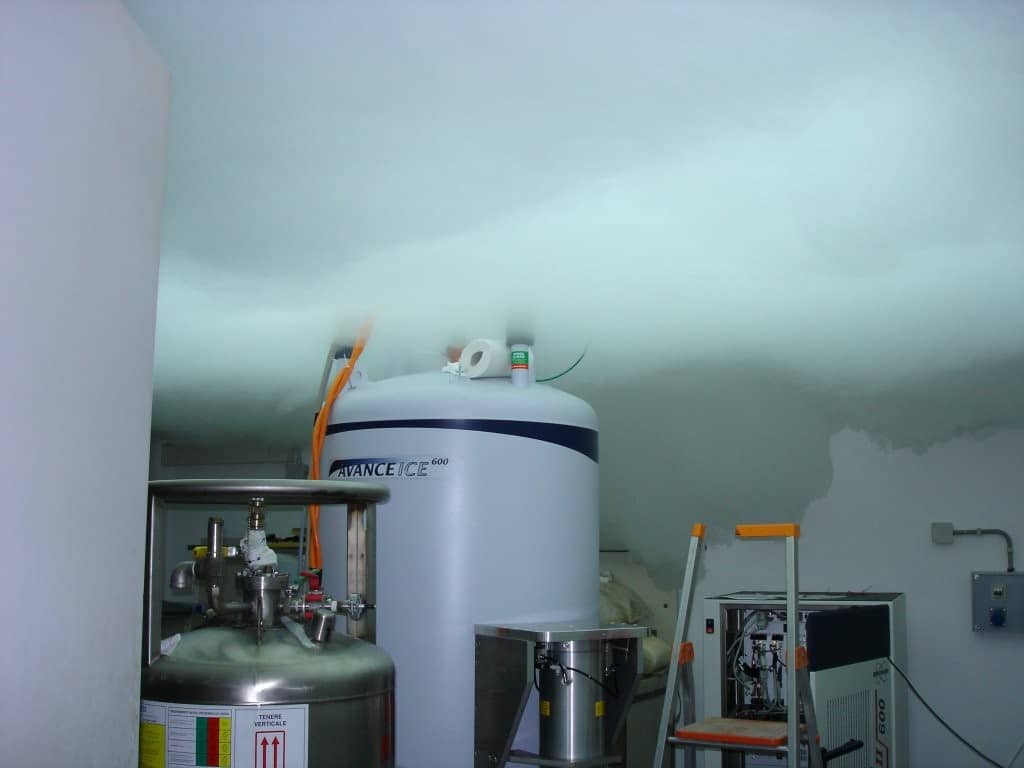
Covers NMR laboratory hazards from strong magnetic fields, cryogenic liquids, and magnet quenching, plus safe handling practices for NMR tubes and samples.
Practical tips for handling NMR samples, covering sample size, tube filling, cleanliness, labeling, degassing, and solvent choice to ensure accurate spectra.
Are you confused about choosing an NMR solvent based on its characteristics? Then this article is going to answer all your queries related to NMR solvent peaks, common NMR solvents
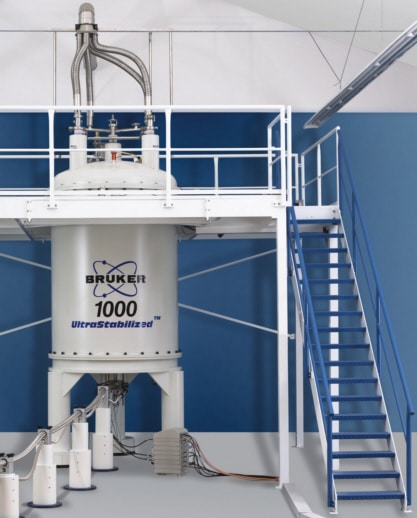
Why superconducting magnets, offering high field strength, stability, and low power use, have replaced permanent magnets in modern NMR spectrometers.
How electronegativity, anisotropy, and hydrogen bonding influence the chemical shifts of NMR-active nuclei relative to the tetramethylsilane reference standard.
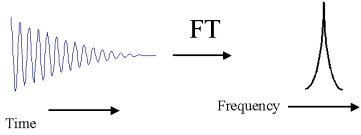
Observations have been made on Continuous wave (CW) and FT – NMR techniques. The benefits of FT – NMR over CW – NMR are discussed in the present article.
Why nuclear spin, isotopic abundance, and relative sensitivity determine which atomic nuclei, such as 1H, 13C, 19F, and 31P, are useful for NMR spectroscopy.
How NMR and UV-visible spectroscopy differ in principle, sample handling, and speed, one measuring nuclear spin transitions, the other electronic transitions.