introduce fluorescence
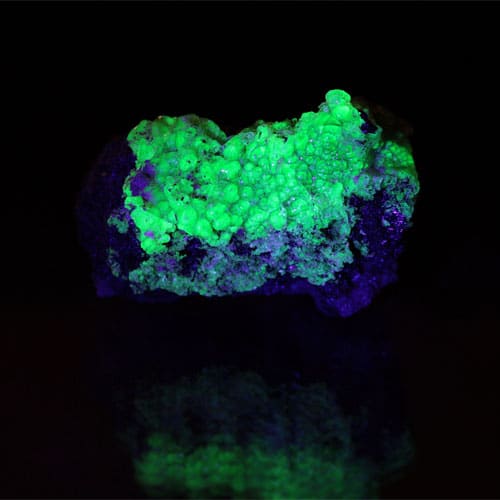
The present article discusses some processes that can help in inducing fluorescence to otherwise non- fluorescent inorganic species.
Browse all Spectroscopy articles, guides, and protocols.
The present article discusses some processes that can help in inducing fluorescence to otherwise non- fluorescent inorganic species.
Fluorimetric techniques provide specific and rapid analytical solutions which is a great boon to medical diagnosis as future course of action often depends on availability of reliable and accurate results in the shortest possible time.
Fluorescence spectroscopy provides a fast and precise means of monitoring of environmental pollutants in atmosphere and water.
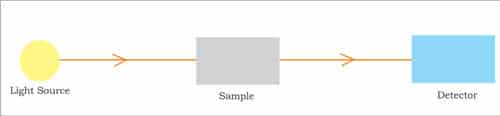
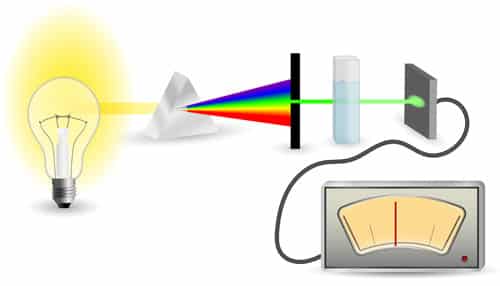
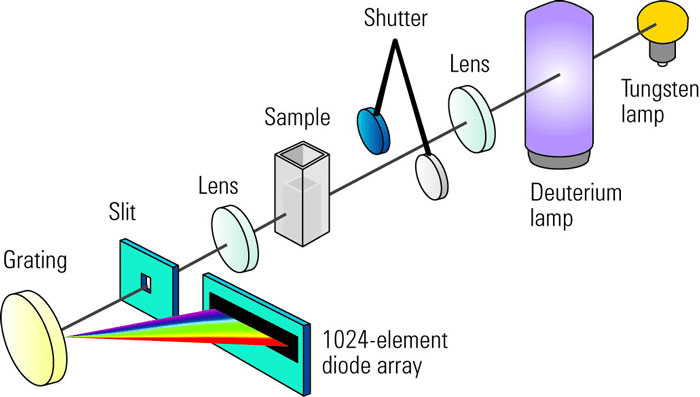
The basic Absorbance and Luminiscence spectroscopic measurements system components are same for both the techniques.
Analysis based on fluorescence characteristics of materials by fluroimetric analysis is a highly sensitive technique. At lower concentrations (ng levels or lower) the technique shows higher sensitivity in comparison to UV – Vis spectroscopy.
Theoretically speaking all the terms mean the same and describe emission of light by substances not involving high temperatures.
Several compounds show fluorescence characteristics due to their molecular structural features.
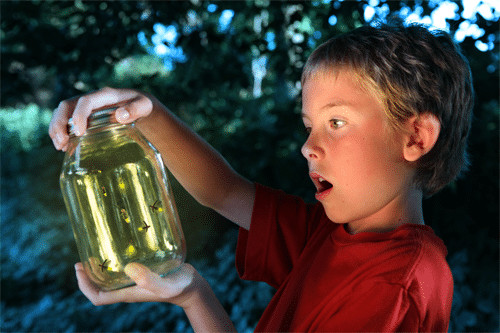
Fluorescence in natural species must have left you bewildered in earlier days. Bioluminescence refers to luminiscence arising from some living organisms or from some compounds extracted from such organisms.
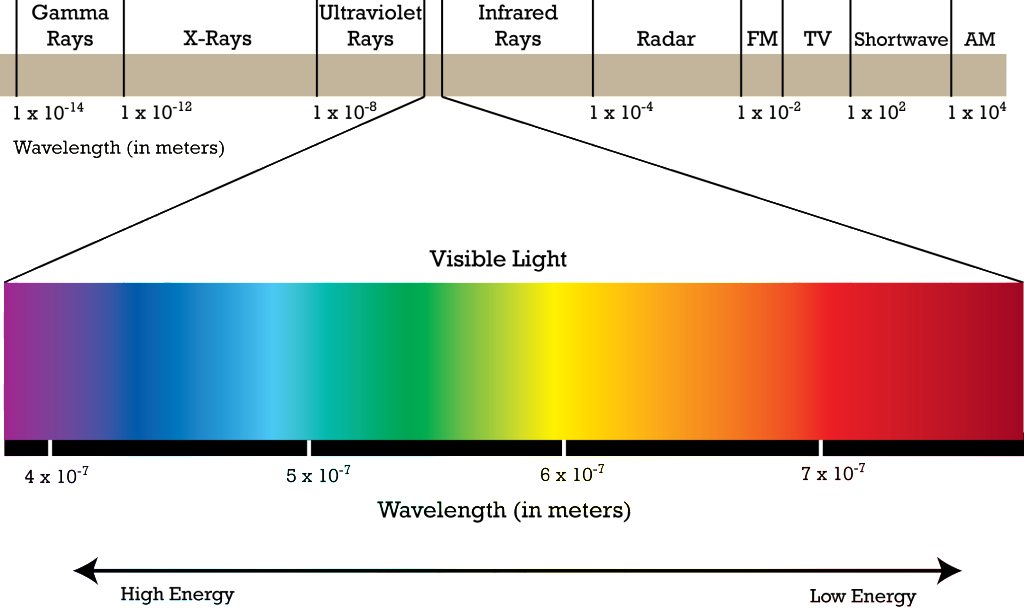
A wealth of information is provided by spectroscopic techniques as the expanse of electromagnetic spectrum is immensely vast and it offers a multitude of different wavelengths for such interactions to the chemical spectroscopist.
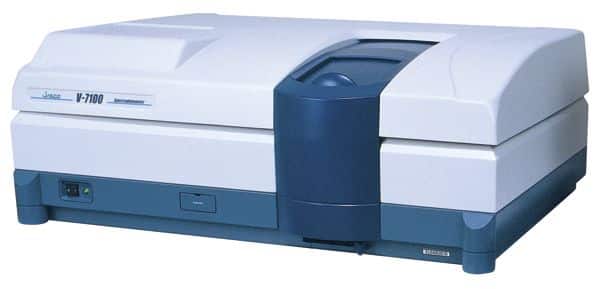
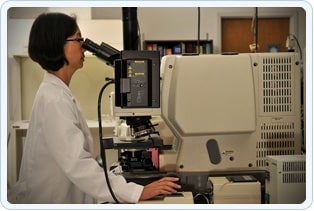
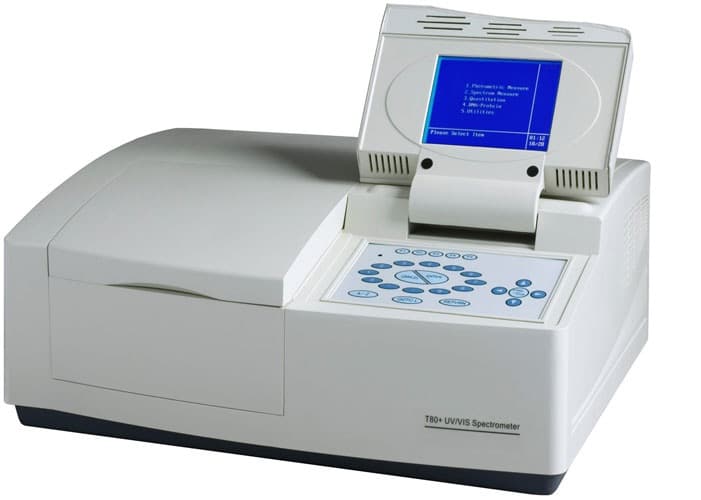
A UV – Visible spectrophotometer can be seen in almost any laboratory be it a college lab, research lab or an industrial laboratory.
A Photodiode Array Detector is a microprocessor controlled multi-channel detector that permits simultaneous access to spectral data for several wavelengths simultaneously.
FT-IR microscopy proved to be a very versatile tool for compositional characterization of materials.
Electromagnetic radiation is radiant energy that is transmitted through space at the speed of light. Humans can experience it in the form of light and heat over a very small fraction of the almost infinite range of its wavelength range.
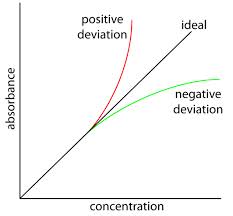
Beer–Lambert’s Absorbance law is a universally accepted relationship which helps calculation of concentration of an absorbing species from measured absorbance values.
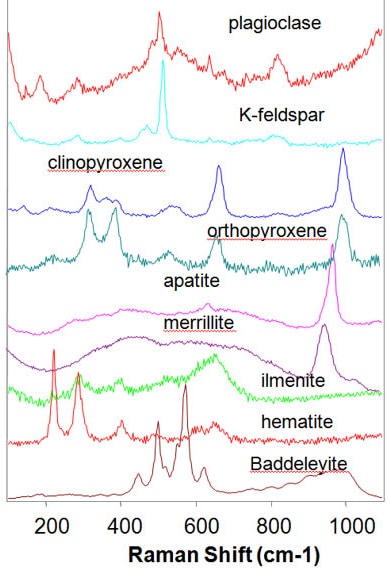
Raman spectroscopy continues to expand its range of applications to diverse areas. In this article, scope of applications in other areas are briefly explored.
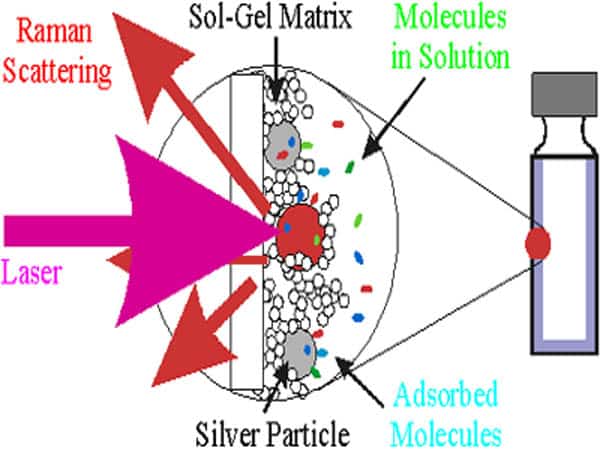
The present article explores some of the approaches adopted to enhance Raman spectral lines in Raman Spectroscopy.
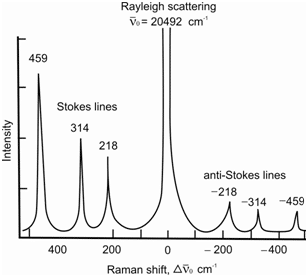
In Raman spectroscopy such scattered light is of no significance. It is only the 0.001% of incident light undergoing inelastic collisions that results in Stokes and anti-Stokes lines that are Raman active.
Raman and IR spectroscopy are complementary techniques used for fingerprinting of molecules. Find out the difference between Raman and IR Spectroscopy in the article.
Raman spectroscopy offers several distinct benefits and can be used to study all types of samples ranging from solids, liquids, powders, gels, & slurries.
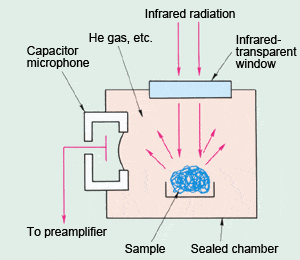
Photoacoustic spectroscopy makes your analysis a lot simpler than other conventional spectroscopic techniques and offers potential saving of your valuable laboratory time.
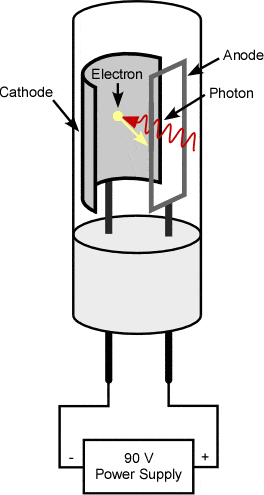
A detector converts light into a proportional electrical signal which in turn provides the response of the spectrophotometer.
Though it finds use in either pure form or in combination with acids, bases or specific reagents in spectroscopic studies it cannot be termed as a universal spectroscopic solvent as it shows absorption bands in NIR region.
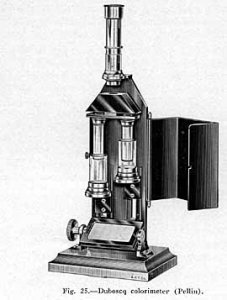
As its name suggests a spectrophotometer is a combination of a spectrometer and a photometer as its name suggests. It makes use of a sophisticated wavelength isolation device called a monochromator.
Your UV-VIS Spectrophotometer is a highly sophisticated optical device designed to give accurate and reproducible data over a long period of time.